
Table of Contents
A crash leaves you with more than a damaged car. You may also face medical bills, missed work, and an insurer asking for answers before you feel ready. In Utah, most claim routes begin with a police report, but the best path depends on your coverage, injuries, and the other driver’s insurance. Here are the main options and when each makes sense.
1. LeBaron & Jensen, P.C. (Our Top Pick) , Utah Injury Claim Support
After a serious crash, a Utah personal injury law firm can manage the claim while you focus on healing. We put LeBaron & Jensen, P.C. first because our team handles the legal work, not simply the first notice to an insurer.
We can review the crash, identify the available coverage, and gather records that support your damages. Those damages may include medical care, lost wages, vehicle loss, rental costs, and pain and suffering. We also deal with adjusters who may dispute fault or question the extent of an injury.
That distinction matters. An insurer assigning a claim number does not mean it has accepted liability or agreed to pay. The adjuster still must review coverage, fault, and the proof behind your demand.
We take the stress off your plate by organizing that proof and pursuing a fair settlement. Our Utah auto accident attorneys can also explain whether filing suit makes sense.
Legal help may not be needed for every small property-only claim. It becomes more useful when injuries, disputed fault, low limits, or a delayed response enter the picture.
2. Police Report Filing , Establish the Official Accident Record
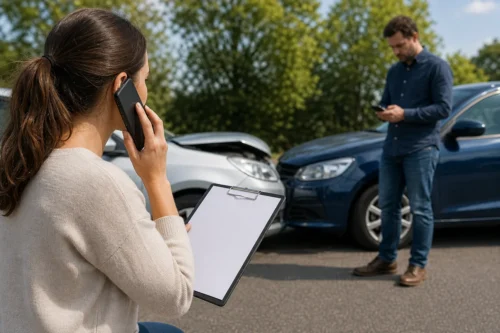
A police report is the strongest starting point for learning how to file a car accident claim after a Utah crash. It records the date, place, drivers, insurance details, witness information, and the officer’s account of the scene.
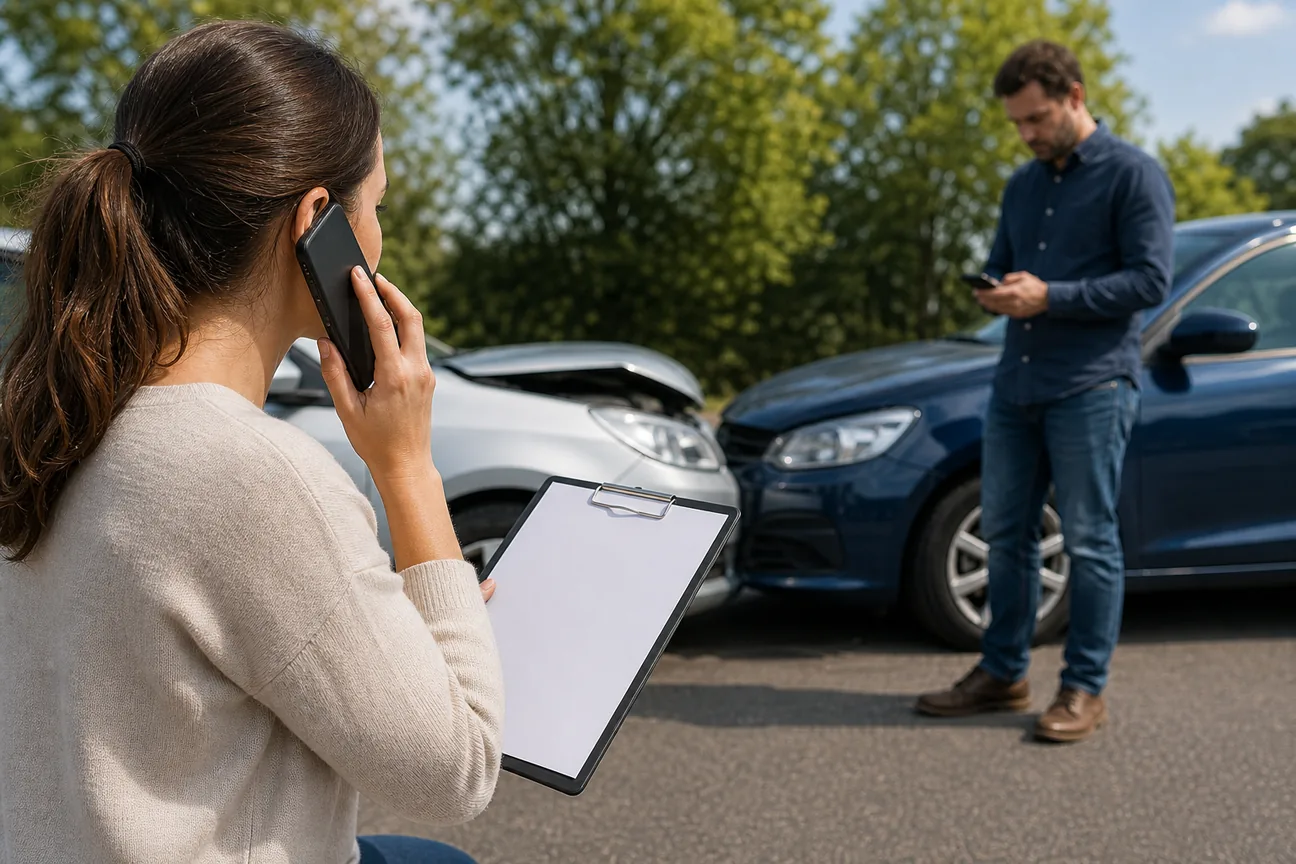
Safety comes first. Move away from traffic if you can do so safely, check for injuries, and call 911 when someone needs help. Don’t argue about fault at the scene. State the facts and let the officer investigate.
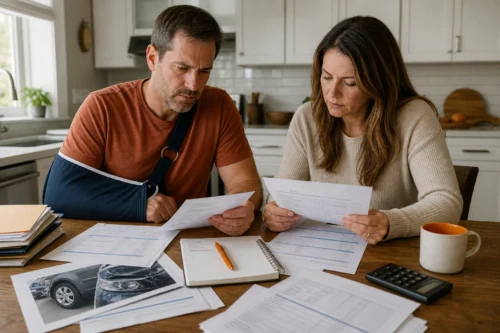
Take wide photos of the road and nearby signs. Then photograph each vehicle, visible injuries, debris, and any damage inside your car. Ask witnesses for contact details if they are willing to share them. Keep copies of the report, photos, and insurance cards in one folder.
General crash-safety guidance also puts safety and emergency help before the claim itself.
In most documented routes reviewed for this topic, the police report appears as required paperwork. Still, a missing report does not always end a claim. Photos, medical records, witness accounts, and prompt notice may help fill the gap.
3. Direct Claim with Your Insurer , Use Your Own Policy First
Filing with your own insurer is often the cleanest way to start a claim when you have coverage. You notify the company through its app, website, agent, or claims line, then provide the crash details and police report.
This route can help when the other driver has not reported the accident or that insurer is slow to investigate. In the research reviewed for this article, this was the only route with a stated response time: an adjuster should contact you within 24 hours.
Your policy controls what happens next. Collision coverage may help with vehicle damage, though a deductible may apply. Personal injury protection, or PIP, may help with medical costs under the terms of your policy. Utah has no-fault features for some medical claims, so review your policy instead of assuming the other driver pays first.
Report the crash promptly even when you believe the other driver caused it. Notice rules can affect coverage. Give the adjuster the facts, but don’t guess about speed, distance, or fault.
Your insurer may later seek repayment from the at-fault carrier. That process can affect reimbursement of a deductible, but it does not remove the need to keep your own records.
4. Direct Claim with the At-Fault Party’s Insurer , Pursue Third-Party Liability
A third-party claim goes to the other driver’s insurer when that driver caused the crash. It is often the right route for vehicle damage and injury losses when the carrier accepts coverage.
To open the claim, provide the accident date, the insured driver’s policy details, a short description of the crash, and the police report. The insurer may assign one adjuster to property damage and another to bodily injury.
Opening a claim does not guarantee payment. The carrier must first confirm that the policy was active and that no exclusion applies. It then assesses liability and damages. A driver may have handed you an insurance card, yet the policy could still have a coverage problem.
Be careful with recorded statements. You can provide facts without volunteering a statement that you do not understand. A rushed comment such as “I felt fine” may later be used against an injury claim.
Don’t sign a broad medical authorization without understanding its scope. Ask what records the insurer needs and keep copies of every bill, report, and email you send.
5. Independent Agent Assisted Claim , Get Help Organizing the Process
An independent agent can help you report a crash and understand your policy. This option fits drivers who want help with paperwork but may not need an attorney for a modest property claim.
The agent can keep a copy of the police report in the file, explain available coverage, and help you reach the right claims department. That support can prevent a missed notice or an incomplete first report.
An agent does not act like your personal injury lawyer. The agent usually works within the insurance relationship and cannot promise a settlement for pain, lost wages, or disputed medical harm. Ask what the agent can do before relying on that help.
Use an agent as an organizer and policy resource. For a contested injury claim, get advice from someone who represents your interests in the dispute.
6. Uninsured Motorist Coverage Claim , Recover When the Other Driver Has No Insurance
An uninsured motorist claim uses your own policy after a driver without valid insurance causes the crash. It may cover losses that would otherwise have been pursued from the at-fault driver.
Start with the police report. It helps show what happened and may confirm that the other driver lacked insurance. Save photos, witness details, medical records, wage proof, and repair documents.
Check the policy language before assuming coverage applies. Look for the uninsured motorist limit, notice requirement, deductible, and rules for hit-and-run crashes. Some policies also have conditions about who was driving or which vehicle was involved.
Your own insurer may still evaluate fault and damages. That means the adjuster is not automatically agreeing with your account. Present a clear timeline and keep treatment records in order.
When injuries are serious, the claim can become a dispute with your own carrier. LeBaron & Jensen, P.C. can review the policy and help determine whether the offer reflects your losses.
7. Underinsured Motorist Coverage Claim , Address Inadequate Policy Limits
An underinsured motorist claim may help when the at-fault driver’s policy exists but cannot cover the full loss. This matters when medical treatment, lost income, and long-term harm exceed the other driver’s liability limit.
First, identify the other driver’s policy limit. Then compare it with your documented damages. Do not rush to sign a release before checking your own underinsured motorist coverage. A release may affect your ability to pursue additional benefits.
The insurer may ask for medical records, bills, wage proof, and details about prior injuries. Keep the focus on what changed after the crash. A doctor can explain the link between the accident and your current condition.
Policy rules vary. Some require consent before settling with the at-fault carrier. Others set notice rules or limit recovery based on the policy language.
This path often needs careful timing. An offer that pays the first bills may not account for future care, lost earning power, or lasting pain.
8. Lawsuit or Small-Claims Court , Escalate When Insurance Is Not Enough
A lawsuit becomes an option when the insurer denies coverage, disputes fault, delays payment, or offers less than the evidence supports. Small claims may fit a limited dispute, while a serious injury case may require a higher court and legal counsel.
Before filing, gather the police report, photos, repair estimate, medical records, bills, wage documents, and written claim communications. A court needs proof of negligence, which means showing that another party failed to use reasonable care and caused your loss.
Insurance is often the usable source of payment. A judgment does not guarantee that the other driver has money or assets to pay it. That is why coverage review should happen before you choose litigation.
Legal action can bring filing fees, court costs, and possible attorney fees. The exact rules depend on the court, claim type, and agreement with your lawyer. Small claims information explains the court’s process and filing framework.
Deadlines also matter. Utah claim periods differ by defendant and claim type. Have a lawyer confirm the deadline early, especially when a government vehicle or public entity may be involved.
9. Rental-Car or Loss-of-Use Claim , Cover Transportation During Repairs
A rental-car claim seeks transportation while your vehicle is being repaired or remains unsafe to drive. Loss of use may also apply when a rental is unavailable, depending on the policy and liability facts.
Ask the adjuster to confirm the approved rental class and the covered period. A carrier may provide a similar vehicle rather than a larger or upgraded model. Keep the rental agreement and receipts.
The repair timeline should come from the body shop. Delays caused by parts, hidden damage, or an insurer’s inspection may change the period. Save emails that show when the car entered the shop and when repairs finished.
If your own policy pays first, check whether the rental benefit has a daily or total limit. If the other carrier pays, ask whether it will arrange direct billing or reimburse you later.
Don’t assume rideshare costs, fuel, upgrades, or extra days are covered. Get approval in writing before spending more than the stated limit.
10. Diminished-Value Claim , Seek Payment for Lost Vehicle Value
A diminished-value claim seeks payment for the market value a repaired vehicle may lose because its history now shows a crash. The car may look fixed, yet buyers can still discount it.
This claim is separate from the repair bill. Start by keeping the repair estimate, final invoice, photographs, and vehicle history records. Then obtain an independent diminished-value appraisal that explains the vehicle’s pre-crash value, post-repair value, and method of calculation.
Send the appraisal to the responsible insurer with a written demand. Explain the repair history and the amount requested. The adjuster may challenge the appraisal, so a clear report matters more than a broad claim that the car is worth less.
Not every vehicle will support a meaningful diminished-value demand. Age, mileage, prior damage, the quality of repairs, and local market conditions can affect the result.
Ask for the claim before signing a full property-damage release. Once you release property claims, you may lose the ability to seek this separate loss.
FAQ
How soon should I file a car accident claim?
You should notify your insurer as soon as you can after the crash. Prompt notice helps preserve coverage and keeps the facts fresh. In the documented claim material for this topic, an insurer filing was the only route with a stated response window, with adjuster contact expected within 24 hours. Utah deadlines can vary, so don’t wait to seek legal advice.
Do I need a police report to file a car accident claim?
You may be able to file without a police report, but getting one usually makes the claim stronger. It can record the crash details, driver information, witnesses, and scene diagram. If no report exists, gather photos, medical records, repair documents, and witness statements. Report the crash promptly and explain why no officer responded.
Should I give the other insurer a recorded statement?
You don’t have to give a recorded statement automatically to the other driver’s insurer. Ask what the statement covers and consider legal advice before agreeing. Give accurate facts, but don’t guess or minimize symptoms. A short comment made soon after the crash may later be compared with your medical records.
What damages can I include in a car accident claim?
You may seek vehicle repair or replacement costs, rental expenses, medical bills, lost wages, and pain and suffering when the evidence supports them. Keep bills, wage records, treatment notes, and repair documents. A settlement should account for known losses and, when supported by medical proof, likely future care.
What if the other driver has no insurance?
Your uninsured motorist coverage may help when an uninsured driver caused the crash. Check the policy limit, exclusions, notice rules, and hit-and-run terms. The insurer will still review fault and damages. A police report is especially useful because it documents the other driver’s identity and insurance status.
For a minor property claim, prompt notice and organized records may be enough. When injuries, disputed liability, low limits, or a denial are involved, contact LeBaron & Jensen, P.C. early so we can review the coverage, protect the deadline, and pursue a fair settlement.