
Table of Contents
A strong injury claim can fail over one missing document. In Utah, proof of a crash and medical harm matters, but so does proof that you followed the required notice process.
We’ll explain the evidence that can support liability, connect your injury to the event, prove financial loss, and satisfy Utah disclosure rules. LeBaron & Jensen, P.C. can help gather the record and protect the claim while you focus on healing.
Evidence That Shows How the Utah Accident Happened
When people ask what evidence is needed for a personal injury lawsuit in Utah, the first issue is usually fault. You must show what happened and why the other party may be legally responsible.
Start with the official accident report. Check that it is complete and that any attached statements, photographs, or supporting records are included. Utah law can affect whether accident evidence is accepted, so a redacted report may create a serious problem.
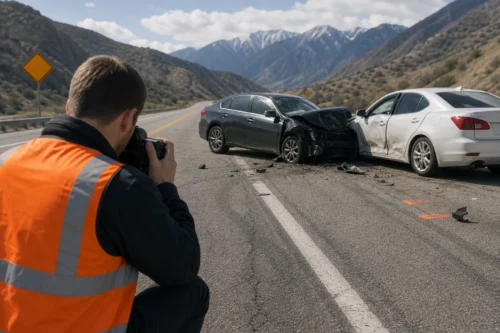
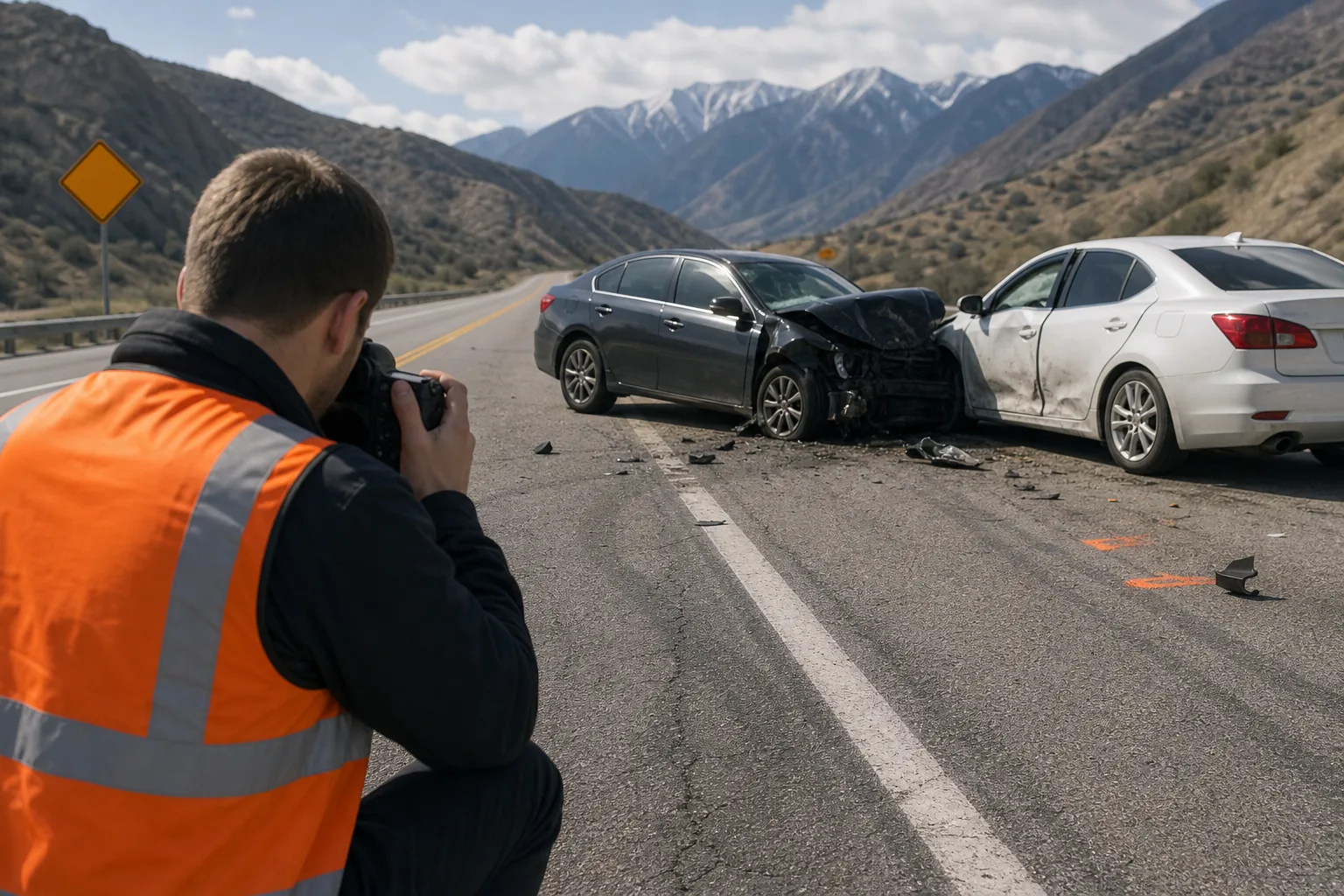
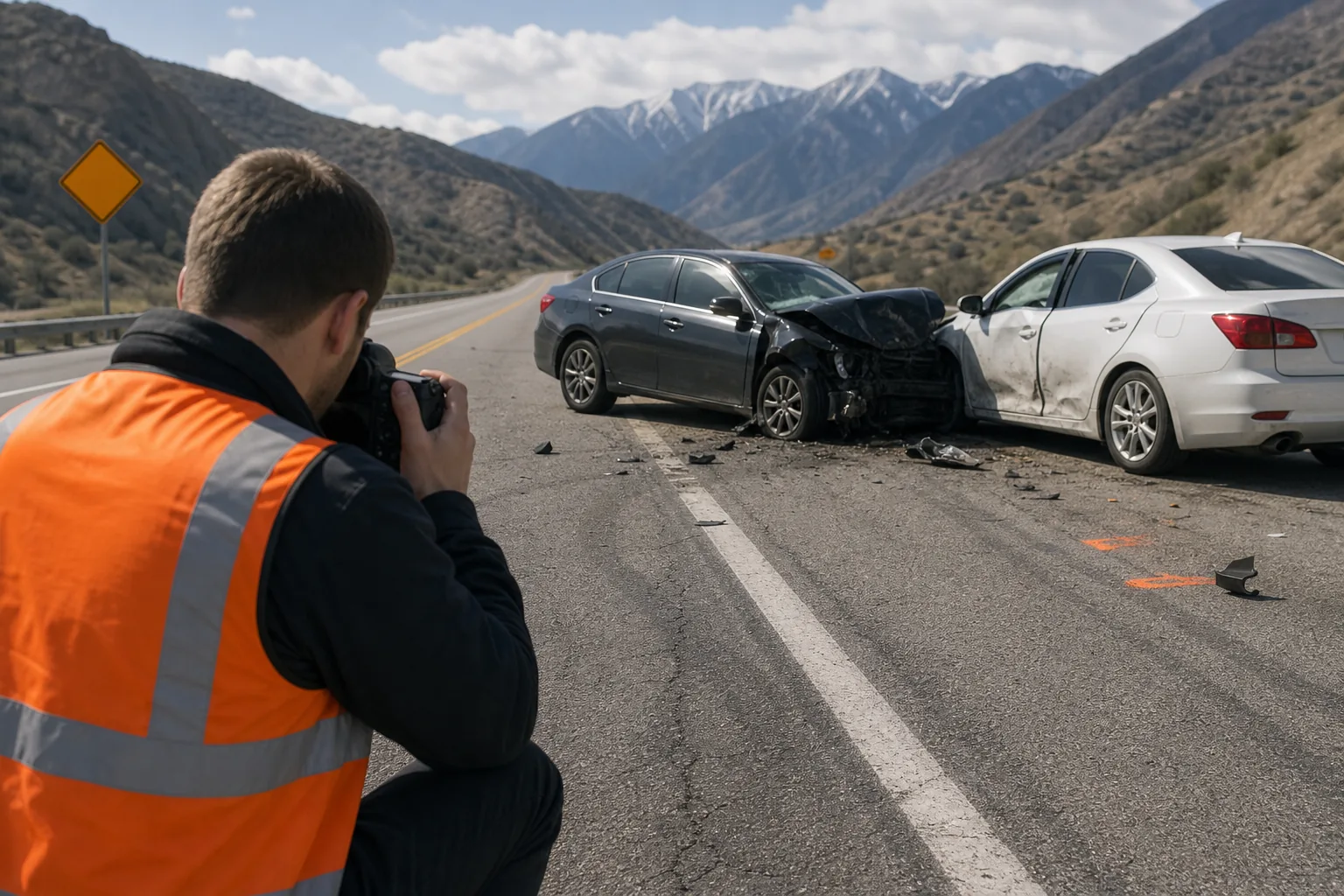
Photos can show vehicle positions, road signs, lane marks, weather, lighting, damage, and hazards that later change. Keep the original files when possible. Their date and other file details may help show when they were taken.
Witness accounts can fill gaps in the report. Get names and contact details if you can do so safely. Ask witnesses to write down what they saw while their memory is fresh. Do not coach them or ask them to guess about speed, distance, or fault.
Other useful proof may include nearby video, vehicle damage records, towing records, 911 records, and scene measurements. A lawyer may also look for evidence held by a business, public agency, or another driver. Some of that evidence can disappear quickly.
Liability usually rests on four questions: Did the other person owe a duty of care? Did that person breach the duty? Did that breach cause the injury? Did the injury produce damages? Evidence should answer each question instead of merely showing that a crash occurred.
Medical Evidence Linking the Injury to the Accident
Medical proof must do more than show that you received treatment. It should help connect the injury to the accident and show how the condition affects your life.
Seek prompt medical care after a serious accident. Tell the provider what happened and describe your symptoms clearly. Medical records may show the first complaint, examination findings, diagnosis, treatment plan, and later changes.
Keep copies of records tied to the injury. These may include emergency records, imaging reports, treatment notes, prescriptions, therapy records, and medical bills. A Utah personal injury evidence checklist can help you organize the providers, records, bills, and other proof connected to the claim. A list of providers matters too. Utah disclosure rules may require provider names and addresses, plus a description of the services each provider gave.
Gaps in care can raise questions. That does not mean a claim fails because one appointment was missed. Work schedules, transportation, cost, or worsening symptoms may explain a gap. Write down the reason and tell your legal team so the record is clear.
Prior injuries need careful handling. Do not hide them. A prior condition may still support recovery if the accident worsened it. The key issue is often the change after the event, supported by medical notes and expert opinion when needed.
Your own symptom journal can help track pain, sleep problems, limits on movement, missed activities, and changes at home. It is not a substitute for medical records. It gives a clearer picture of daily effects that may not fit into a short office visit.
Medical bills show treatment costs, but the amount billed alone does not prove fault or future need. Providers may need to explain expected care, work limits, or permanent effects. The provider and insurer details should be gathered early.
Comparing the medical timeline with the accident record can help identify missing records, unclear diagnoses, and claims that the injury came from something else.
Evidence of Financial Loss and Other Damages
Financial evidence shows what the injury has cost you. It also helps explain losses that do not come with a single invoice.
Keep every bill tied to treatment. This includes hospital charges, imaging, therapy, medication, medical equipment, and travel for care. Ask providers for itemized records when the bill does not explain the service or amount.
Lost income needs its own file. Save pay records, employer letters, time sheets, tax records, and notes about missed shifts. If you are self-employed, preserve records that show canceled work, reduced revenue, or added business costs. An employer list may be required when the claim includes lost wages or reduced earning capacity.
Future loss requires more than a guess. Medical opinions may explain future care. Work records may show the effect on your job. A vocational or financial expert may be needed when the injury changes the kind of work you can perform.
Non-economic damages cover effects that do not have a fixed price. These may include pain, emotional distress, loss of enjoyment, and harm to close relationships. Use specific facts. Explain what you could do before the accident, what changed afterward, and how long the limits lasted.
Utah’s comparative fault rule can also affect recovery. The other side may claim that your conduct contributed to the harm. Photos, statements, medical records, and work proof can help answer that argument. A settlement should account for the evidence, the disputed fault, and the likely future loss.
Do not post about the accident or your recovery without thinking first. A photo, comment, or public update can be taken out of context. Tell your lawyer about posts that may affect the claim, and preserve relevant messages rather than deleting them.
We understand that tracking costs can feel like another job after an accident. Our team at LeBaron & Jensen, P.C. helps organize the loss record so the demand reflects more than the first stack of bills.
Evidence and Disclosure Documents Utah Claims May Require
The answer to what evidence is needed for a personal injury lawsuit in Utah includes procedure. A claim can have strong facts and still face trouble if required notice or disclosure documents are missing.
One major issue is written notice of intent to hold the responsible party liable. The notice must be mailed or served, and the claimant should preserve proof of mailing or service. A postal receipt or certified-mail record may become as important as a medical bill.
That is the procedural trap many people miss. They save hospital records but lose the mailing receipt. We treat the notice date, delivery method, recipient, and supporting proof as part of the case file.
Utah claims may also require written information about several subjects. The exact requirements depend on the claim and parties involved, so do not assume every case uses the same packet.
- Health care providers who treated the injury, including names and addresses.
- The services each provider supplied.
- Health insurers or other entities that received benefit claims.
- Employers relevant to wage loss or reduced earning capacity.
- Medicare or Medicaid benefits, when applicable.
- Statutory lien holders with an interest in the recovery.
- A signed damages-cap settlement agreement when such an agreement applies.
A health insurer’s bill is not automatically the same as a statutory lien. Confusing those records can delay review. Missing a lien holder can also create a filing problem or leave an unresolved claim against settlement funds.
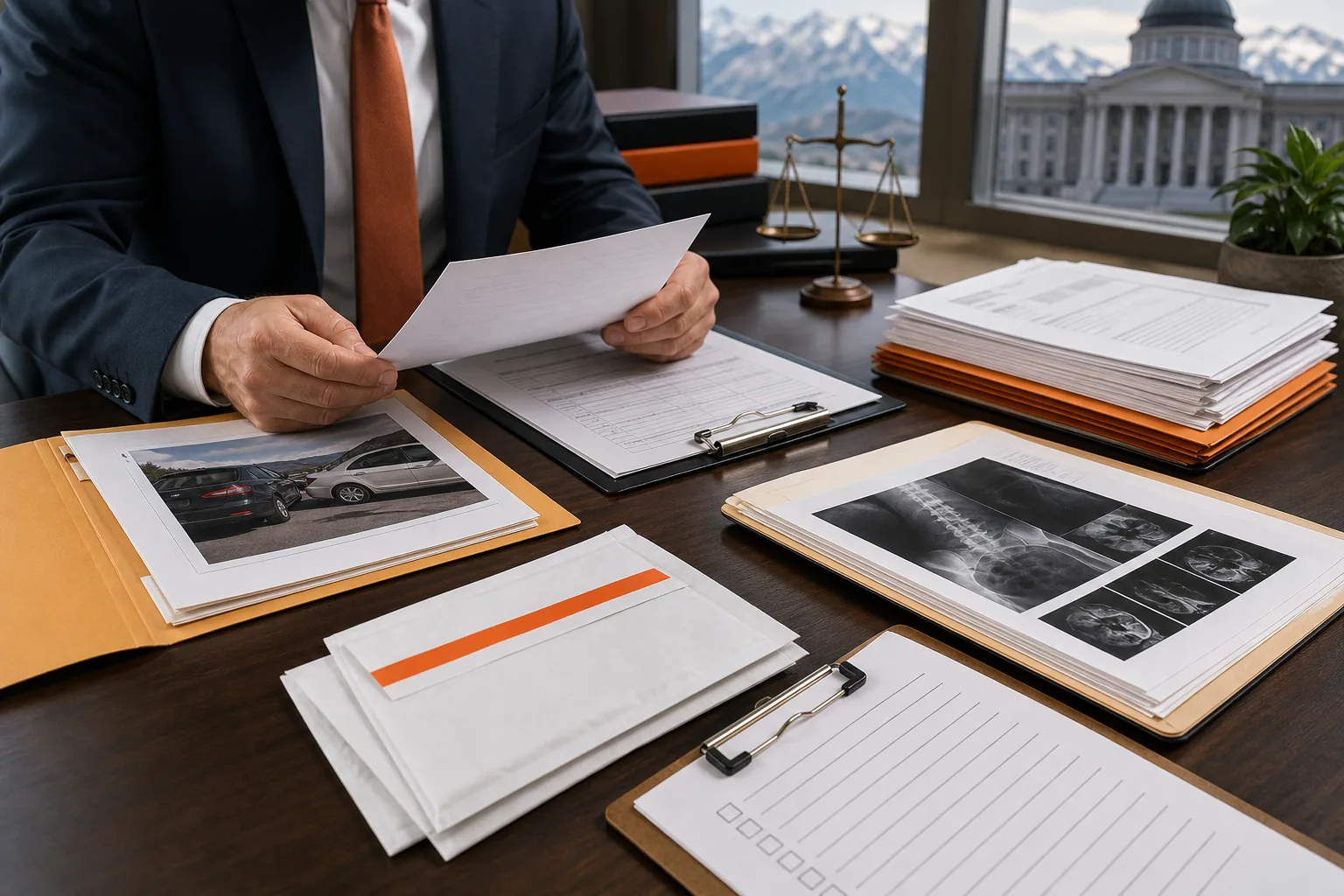
Initial disclosures may include documents, witness information, damage details, and expert information. The initial-disclosure guidance explains the role these materials play in a civil case.
Deadlines matter. Some documents may be due after a specific event, such as budget approval. Keep proof of every submission. A clean filing log can show what was sent, when it was sent, and how delivery was confirmed.
We help clients build the file before an insurer or court asks for it. That takes the stress off your plate and gives the case a clear paper trail.
Witnesses, Experts, and Common Evidence Problems
Witnesses and experts can explain disputed facts, but their value depends on what they know and how their opinions are supported.
An eyewitness may describe the light, traffic, vehicle movement, impact, or immediate condition of the injured person. A witness should speak from personal knowledge. Someone who arrived later may still describe the scene, but cannot honestly claim to have seen the collision.
Experts answer questions that require specialized knowledge. A medical expert may address diagnosis, causation, or future treatment. An accident reconstruction expert may analyze vehicle damage, scene marks, timing, and movement. A work or financial expert may address future earning loss.
Expert testimony must meet the applicable Utah standard. In some cases involving an unidentified motor vehicle, one person’s testimony may need to meet a clear and convincing evidence standard. The facts and legal theory control, so an attorney should assess the rule before relying on a witness.
Common evidence problems include:
- A report is redacted or missing its attachments.
- A witness gives several different versions of the event.
- Medical records do not mention the accident or symptoms clearly.
- Photos lack context, dates, or original file information.
- A claimant deletes texts or social posts that may be relevant.
- A damages claim has no wage record or employer support.
- A required notice lacks proof of mailing or service.
- An expert gives an opinion without enough facts or a reliable basis.
Do not try to fix a weak record by changing your story. Tell your lawyer what is missing. We can assess whether another record, witness, or expert may address the gap.
LeBaron & Jensen, P.C. can help collect evidence, handle communications with insurance companies, and prepare the claim for settlement or litigation. The goal is a fair settlement supported by a record that can withstand close review.
FAQ
What is the most important evidence in a Utah personal injury case?
The most important evidence depends on the disputed issue, but you usually need proof of fault, medical causation, and damages. Preserve the accident report, original photos, witness details, medical records, bills, wage documents, and notice records. A missing proof of mailing for required notice can harm a claim even when the injury itself is well documented.
Do I need medical records to file a personal injury lawsuit in Utah?
Medical records are usually central to a Utah injury lawsuit because they show the diagnosis, treatment, symptoms, and connection to the accident. Bills show cost, but treatment notes often explain why care was needed. Keep records from every related provider and explain any treatment gap to your lawyer.
What notice is required before a Utah personal injury claim?
Utah law may require written notice of intent to hold the responsible party liable before the claim proceeds. The claimant should keep proof that the notice was mailed or served. Because deadlines and rules can vary by defendant and claim type, have a Utah personal injury lawyer review the notice before you rely on it.
Can photos and witness statements prove fault?
Photos and witness statements can help prove how an accident happened, but they must fit the rest of the evidence. Photos should show useful details and remain in their original form when possible. Witnesses should describe what they personally saw. A complete official report and its attachments may also affect whether the evidence can be used.
How does LeBaron & Jensen, P.C. help with injury evidence?
LeBaron & Jensen, P.C. helps clients identify missing records, organize medical and financial proof, preserve notice documents, and respond to insurance disputes. A connected timeline can help prepare for settlement talks while keeping the case ready for court if a fair resolution is not offered. That helps us prepare for settlement talks while keeping the case ready for court if a fair resolution is not offered.
Conclusion
Gather evidence early, but do not focus only on medical bills. Preserve the accident record, witness proof, medical link, financial losses, notice documents, and disclosure materials. If you are unsure what your claim requires, contact LeBaron & Jensen, P.C. for a case review before a missing record or deadline puts your recovery at risk.