
Table of Contents
A Utah personal injury trial is usually the final stage of a much longer legal process. Before you enter a courtroom, your case may pass through filing, service, discovery, settlement talks, and strict procedural deadlines. We’ll explain what happens before trial, what you’ll do in court, and what comes after the verdict.
What Happens Before a Utah Personal Injury Trial?
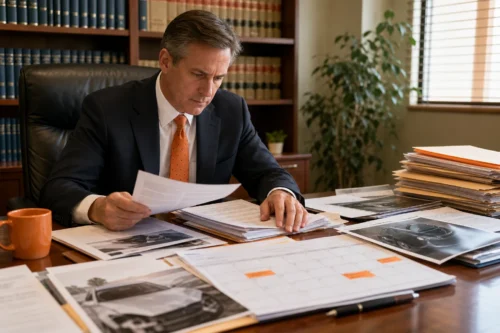
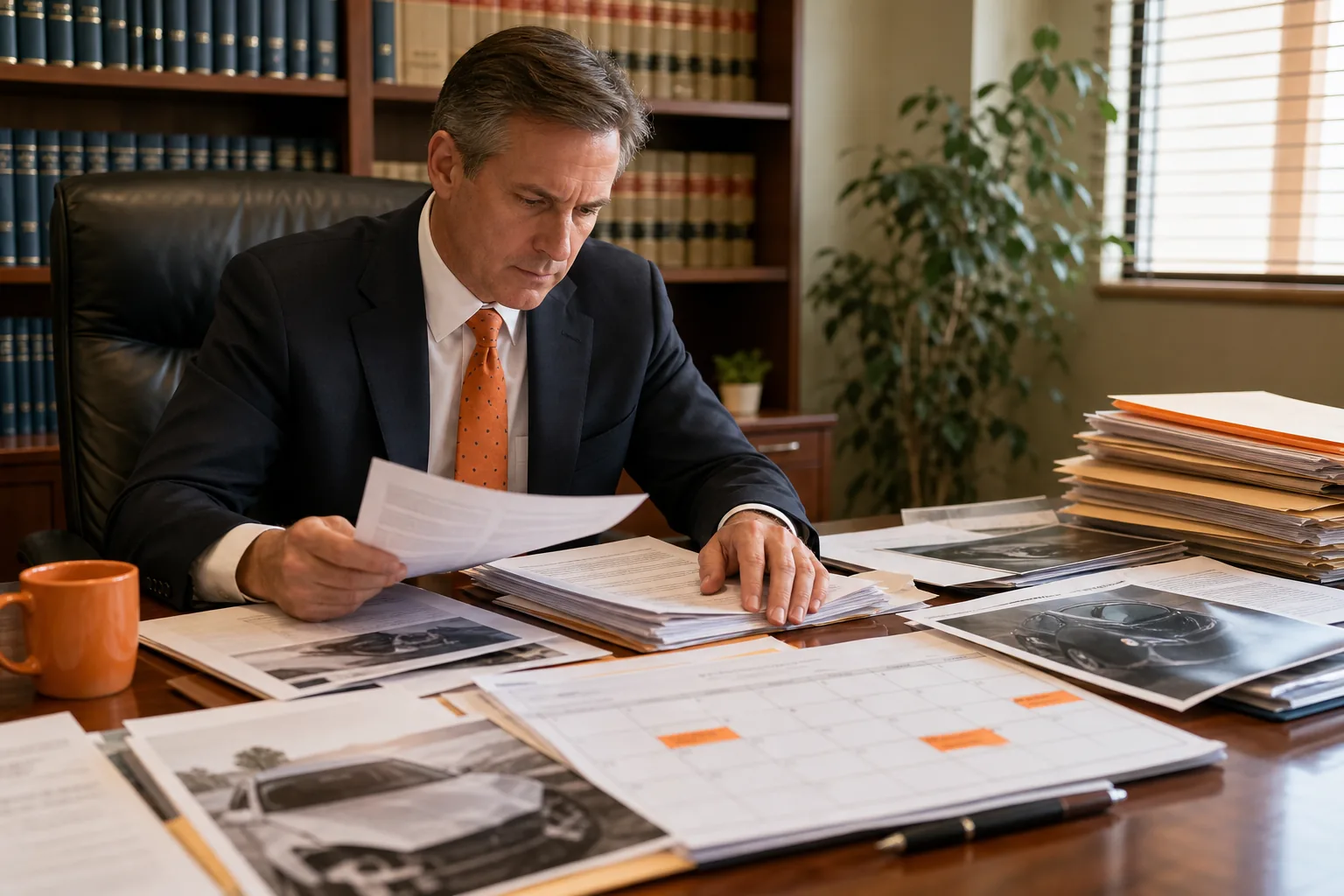
Before a Utah personal injury trial begins, both sides spend months building and testing their claims. The courtroom is often the finale of a deadline-driven process that can last well over a year.
The case usually starts when the injured person, called the plaintiff, files a complaint. This document explains what happened, who the plaintiff says was at fault, and what damages the plaintiff seeks. The defendant then receives formal service and files an answer. The answer may deny fault, dispute the injuries, blame another person, or raise other defenses.
Next comes discovery. During discovery, each side exchanges documents and asks questions under oath. This may include accident photos, medical records, wage information, insurance records, and witness details. Depositions can also require the people involved to answer questions in front of attorneys and a court reporter.
Discovery is often the longest phase. It may take six months to a year when the case needs medical reviews, depositions, or expert testimony. That delay can feel frustrating, but it gives both sides time to test the facts instead of relying on early assumptions.
Our team at personal injury lawyer Utah services can help organize the claim before trial. At LeBaron & Jensen, P.C., we focus on gathering evidence and dealing with insurance agencies while watching the deadlines that can affect your recovery.
The court may also hear pre-trial motions. A motion to dismiss asks the judge to end a claim for a legal reason. A summary judgment motion asks the judge to decide an issue without a full trial when the key facts are not meaningfully disputed.
Settlement talks can happen at nearly any point. Mediation gives the parties a chance to work with a neutral person who helps them discuss a possible agreement. A settlement can end the case before trial, but you should understand the value of your claim before accepting an offer.
Utah deadlines can change the path of a case. If arbitration applies, a notice of submission may need to be filed within 14 days after the defendant answers. The parties may then face a 90-day arbitrator selection period and a 150-day discovery limit. Missing a deadline can push the case back into full litigation.
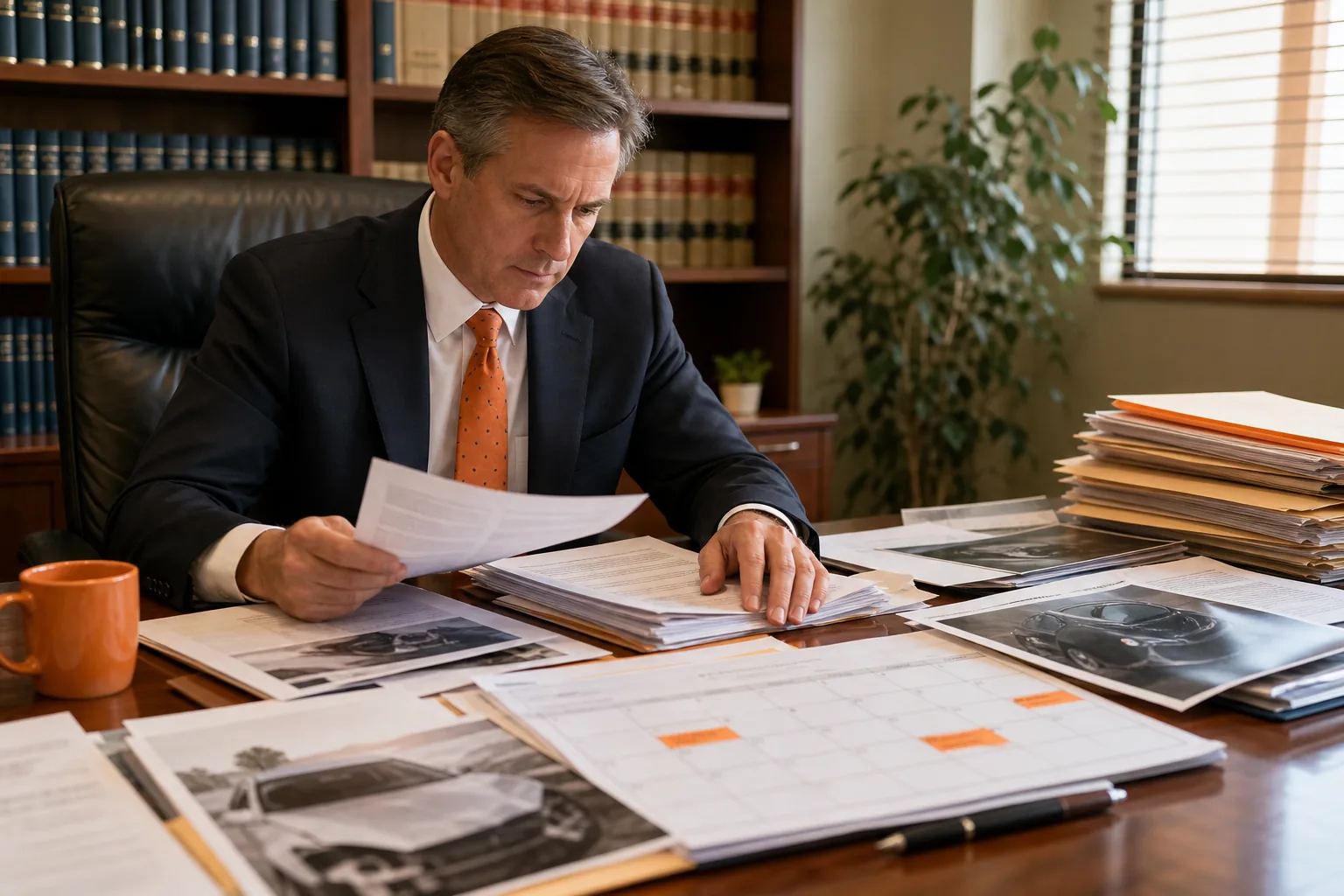
That is why early legal review matters. A missed statute of limitations can end a claim before a jury ever hears it. We take the stress off your plate by tracking the case schedule and explaining what each decision means before you make it.
Jury Selection and Opening Statements in Utah Injury Trials
Jury selection is the first major courtroom event in a Utah injury trial. The judge and attorneys work to find jurors who can listen fairly and follow the law.
The clerk calls a panel of potential jurors. During a process called voir dire, the judge or lawyers ask questions about the jurors’ backgrounds, experiences, and possible biases. A juror may know one of the parties, have a similar accident history, or hold a strong view about lawsuits. Those facts may affect whether the juror can serve.
Either side can ask the judge to excuse a juror for cause. There is no fixed limit on those challenges when a juror is not qualified for the case. Each side also has a limited number of peremptory challenges. These let a party excuse a juror without giving a reason, although the challenge cannot be based on unlawful racial motives.
A civil case may be tried before a judge or a jury, depending on the type of action and the choices made in the case. A trial-process resource also describes voir dire, opening statements, witness examination, jury instructions, and deliberations.
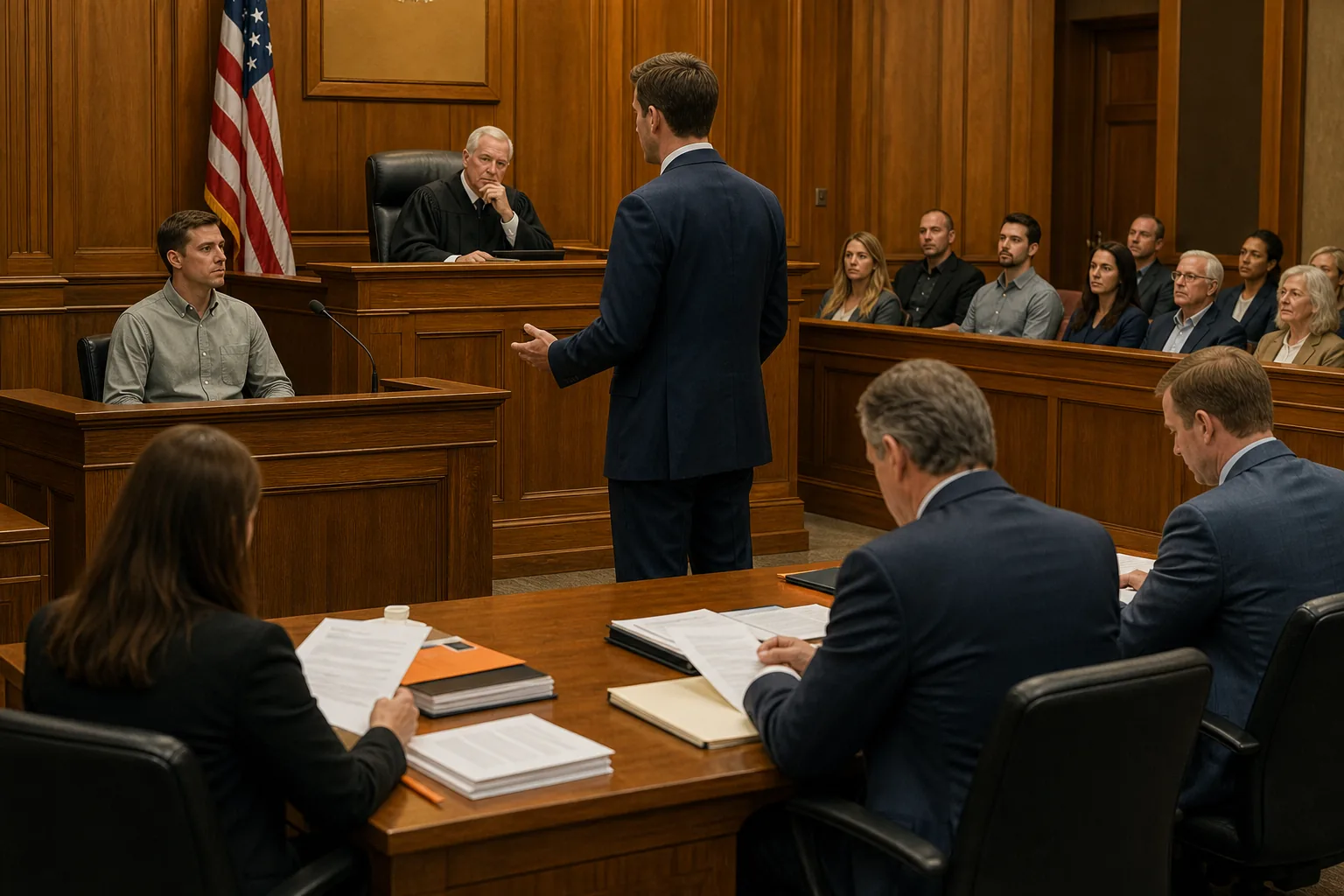
Once the jury is seated, each attorney gives an opening statement. The opening is a roadmap, not evidence. It tells the jury what the attorney expects the witnesses and exhibits to show.
In a car accident case, the plaintiff’s opening may explain how the crash happened, why the defendant was negligent, and how the injuries affected daily life. The defense may argue that the defendant did not cause the crash, that the injuries came from another source, or that the damages are less serious than claimed.
You may sit beside your attorney during these statements. Your job is usually to listen and stay calm. Do not react visibly to every claim you dislike. Jurors notice body language, and a small reaction can distract from the evidence.
Opening statements can also set expectations about proof. If an attorney promises evidence that never appears, the jury may question that gap. We prepare clients for this stage so they know what the courtroom will feel like and what they should avoid doing.
How Evidence and Witness Testimony Are Presented
Evidence and witness testimony give the jury the facts it must use in a Utah personal injury trial. Your attorney cannot simply tell the jury that your claim is true. The facts must come through approved evidence.
The plaintiff usually presents evidence first. This may include testimony from the injured person, eyewitnesses, police officers, doctors, medical experts, employers, or accident reconstruction specialists. The exact witnesses depend on the issues in dispute.
Your attorney begins with direct examination. The questions let the witness explain what happened and how the injury changed the person’s life. The defense attorney then cross-examines the witness. Cross-examination may focus on gaps in memory, conflicting records, prior injuries, missed treatment, or statements made after the accident.
After cross-examination, the plaintiff’s attorney may ask follow-up questions. This is called redirect examination. The judge may limit questions that repeat earlier testimony or move beyond the proper scope.
Documents and physical exhibits can support the testimony. Common examples include:
- Photographs of vehicle damage or the accident scene.
- Medical records and bills.
- Employment records showing missed work.
- Diagrams, inspection records, or repair estimates.
- Written statements and other case exhibits.
Evidence must meet legal rules before the jury can consider it. A document may need a witness who can explain where it came from. A medical opinion may require a qualified expert. A photograph may need testimony showing when and how it was taken.
Expert testimony often matters when the cause of an injury or the future effect is disputed. A medical expert may explain whether the crash caused a condition. Another expert may discuss future treatment, work limits, or permanent impairment. The defense can question the expert’s methods and conclusions.
The defense presents its witnesses after the plaintiff rests. The plaintiff can cross-examine those witnesses and may later present rebuttal evidence. Rebuttal responds to new points raised by the defense. It is not a chance to add every fact that was left out earlier.
At trial, honesty matters more than perfect wording. If you do not remember, say so. Do not guess at a speed, date, distance, or medical detail. Your attorney can prepare you for questions, but no one should script your testimony.
LeBaron & Jensen, P.C. works with clients to gather and organize the proof before trial. That preparation helps connect the accident to the injury and the injury to the losses claimed. If a key record is missing, we want to find that problem before the opposing attorney does.
Keep your role clear. You are there to answer questions truthfully, not to argue with the defense. Your attorney handles objections and legal arguments while you focus on the facts within your own knowledge.
Closing Arguments, Jury Deliberations, and the Verdict
Closing arguments are the final chance to explain what the evidence means in a Utah personal injury trial. They come after both sides have presented their witnesses and exhibits.
Before closing arguments, the judge instructs the jury on the law. In a civil case, the jury generally decides whether the evidence favors one side by a preponderance of the evidence. That means the jury must find the claim more likely true than not true. The judge also explains the legal questions the jury must answer.
The plaintiff’s attorney usually gives the first closing argument. The defense follows. The plaintiff may receive a final response under the court’s rules. Attorneys use this time to connect testimony to the required elements of the claim.
A negligence claim often turns on several questions. Did the defendant owe a duty? Did the defendant breach that duty? Did the breach cause the injury? What losses did the plaintiff prove? The jury may also consider whether the plaintiff shares some responsibility for the accident.
Closing arguments are not evidence. Attorneys may discuss reasonable conclusions from the record, but they cannot add facts that no witness or exhibit supported. A strong closing usually points the jury back to specific testimony and documents.
After closing arguments, the jury goes to a private room to deliberate. Jurors review the instructions, discuss the evidence, and complete the verdict form. The length of deliberations varies. A short discussion does not automatically mean the plaintiff won, and a long discussion does not predict the result.
The jury then returns to court and the verdict is read. The verdict may address fault, damages, or both. The judge enters a judgment based on the verdict, subject to any later motions or review.
What Happens After the Trial or Verdict?
After a Utah personal injury trial, the result is not always the final step. The court must enter judgment, and the parties may still address payment, post-trial motions, or an appeal.
If the plaintiff wins, the judgment states what the defendant owes. Payment may not arrive immediately. The attorneys may need to resolve insurance limits, medical liens, court costs, or other claims against the recovery. Those issues may need to be resolved before funds are distributed.
If the defense wins, the plaintiff may have limited options. A post-trial motion can ask the judge to change the result or order another trial. An appeal asks a higher court to review a legal error. An appeal is not a second trial where the parties simply present the same evidence again.
The appellate court usually reviews the record from the trial court. That record includes admitted exhibits, testimony, rulings, and legal arguments. New evidence generally cannot be added at the appeal stage.
An appeal can add a year or two to the case timeline, depending on the issues and the court’s schedule. The party seeking review must meet strict filing rules. Missing an appeal deadline can end the right to challenge the judgment.
Settlement remains possible after a verdict in some cases. The parties may agree to avoid further litigation, but any proposal should account for the judgment, interest, costs, liens, and the risk of an appeal.
At LeBaron & Jensen, P.C., we explain the usable choices after a verdict. We look at whether enforcement, settlement, or appellate review makes sense for the client’s goals. The right next step depends on the actual judgment and the deadlines attached to it.
Ask for a written explanation of the result. You should know what the verdict decided, what it did not decide, and which deadline comes next.
FAQ
How long does a Utah personal injury trial take?
A Utah personal injury trial may last several days, but the full case often takes much longer. Discovery alone can take six months to a year when the parties need records, depositions, or expert opinions. Settlement talks, motions, arbitration issues, and court scheduling can extend the timeline further.
Will my personal injury case go to trial in Utah?
Your case may settle before trial, but no one can promise that result at the start. The parties may negotiate during the claim or lawsuit. If they cannot agree on fault or fair compensation, the case may proceed to a judge or jury. Your attorney can explain the risks tied to each path.
What should I wear to a personal injury trial?
Wear clean, conservative clothing that lets you feel comfortable and focused. You do not need expensive clothes. Avoid clothing with large slogans, distracting graphics, or anything that could pull attention away from your testimony. Ask your attorney about courtroom customs before the first hearing.
What happens if I lose my Utah injury trial?
If you lose, your attorney can review whether a post-trial motion or appeal is available. These options have strict deadlines and do not guarantee a new result. An appeal usually reviews legal errors in the trial record rather than letting you present new evidence.
Can I settle after a personal injury verdict?
You may be able to settle after a verdict, depending on the judgment and the parties’ willingness to negotiate. A post-verdict agreement should address payment, court costs, medical liens, interest, and any appeal rights. Do not sign a new agreement until you understand its effect on the judgment.
Conclusion
A personal injury trial has a clear structure, but the deadlines before and after court can shape your result just as much as the testimony. If you are facing a Utah injury lawsuit, speak with LeBaron & Jensen, P.C. early, preserve your records, and ask which filing deadline applies to your case.