
Table of Contents
Many people blame truck crashes on fatigue or alcohol first. Yet one compiled review found that other vehicles entering a truck’s lane made up the largest share, at 36%. The common causes of truck accidents also include brake failures, rollovers, unsafe loads, speeding, and poor road conditions. Knowing the cause can help identify who may be responsible.
What Makes Truck Accidents Different From Car Crashes?
The common causes of truck accidents often look familiar, but a truck’s size changes the result. A loaded tractor-trailer needs more room to stop. It also has wide blind spots and can swing across more than one lane during a turn.
A small mistake near a car may cause a scrape. The same mistake beside a semi can cause a jackknife, rollover, or chain-reaction crash. The truck’s weight can also increase the force of impact, even when the truck moves at a moderate speed.
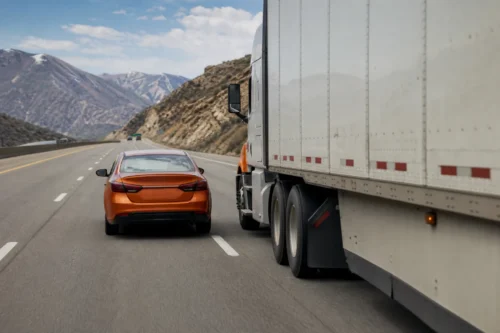
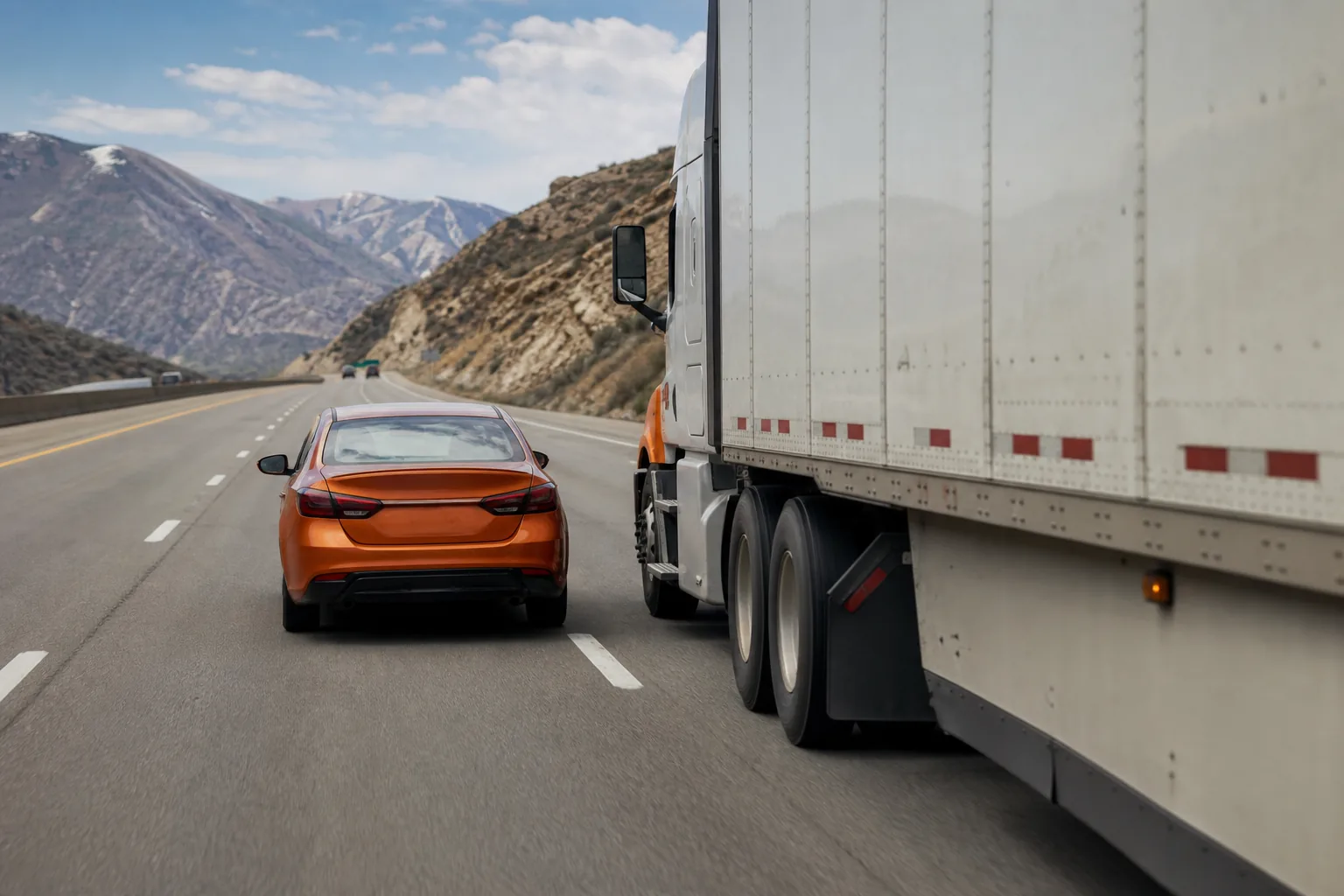
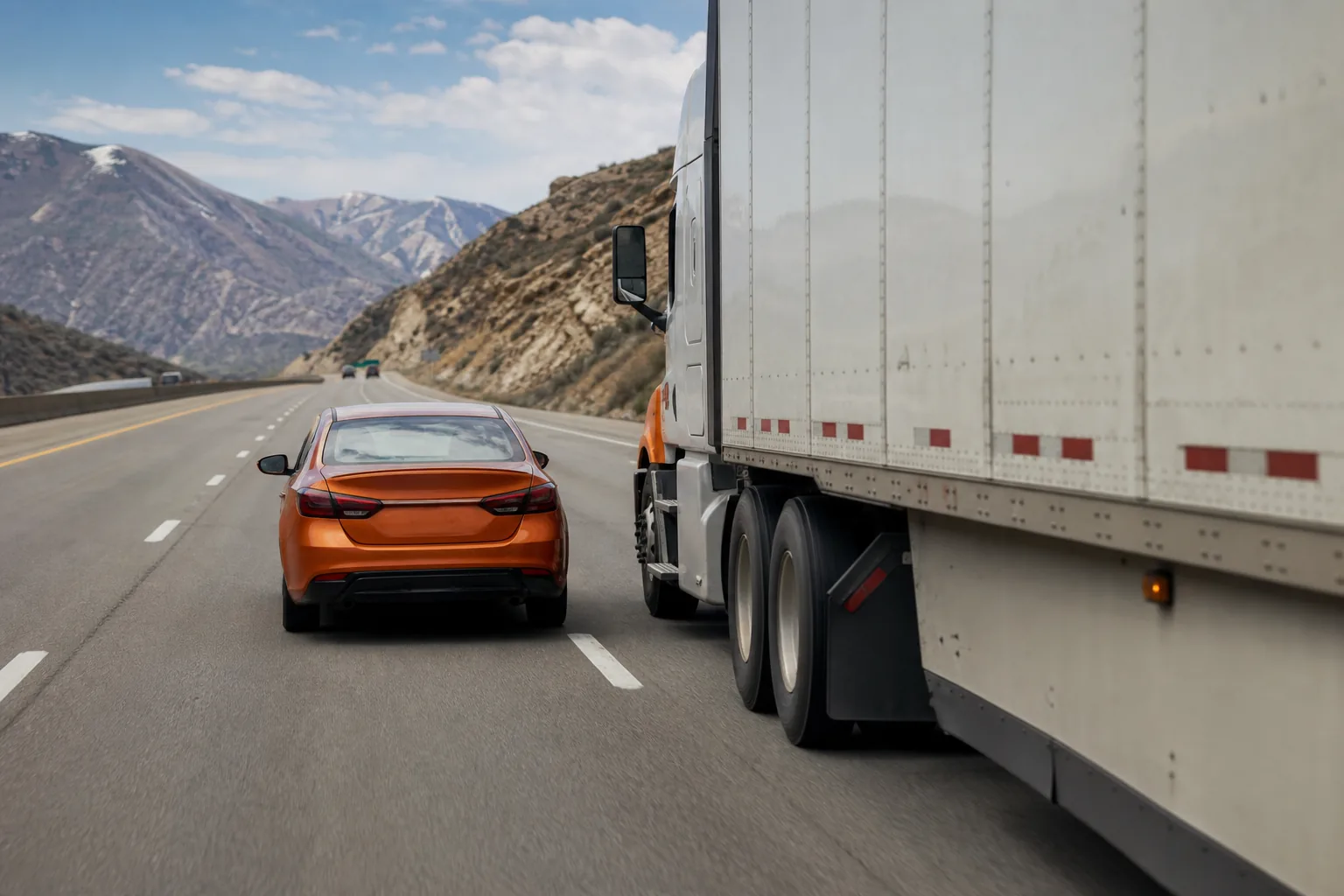
Lane encroachment shows why fault can’t be assumed from the size of the truck alone. A car that drifts across the center line or changes lanes too close to a trailer can trigger a serious crash. A driver may also enter a truck’s blind spot, where the truck driver cannot see the car in the side mirror.
A research resource examines the driver, vehicle, roadway, and environmental factors that can contribute to these collisions. That approach matters in a Utah claim because several facts may point to different responsible parties.
Potentially responsible parties can include the truck driver, motor carrier, cargo loader, maintenance company, parts maker, or a government agency tied to road upkeep. We at LeBaron & Jensen, P.C. look at the full chain instead of stopping at the first explanation.
That work may involve reviewing the crash report, photographs, event data, driver logs, inspection records, and cargo documents. It may also require checking whether the truck had enough space to stop or whether another vehicle moved into its path.
Driver-Related Causes: Fatigue, Distraction, Speed, and Impairment
Driver conduct remains one of the most common causes of truck accidents. Fatigue is especially important because a tired driver may react late, miss a lane change, or fail to brake in time.
A research compilation listed fatigue at 30% of truck crashes. It still fell below the 36% figure reported for other vehicles entering a truck’s lane.
Commercial drivers may work long routes under tight delivery schedules. A driver who keeps going despite heavy drowsiness may drift across a lane or miss a warning sign. The danger can grow when the driver treats a short rest as a substitute for proper sleep.
Distraction creates a similar problem. A driver may look at a dispatch message, adjust a device, reach for food, or turn toward a passenger. Even a few seconds without a full view of traffic can matter when a truck needs a long distance to stop.
Speed also changes the crash. Speed can reduce the time available to respond, increase stopping distance, and make a rollover more likely on a curve or ramp.
Impairment may involve alcohol, illegal drugs, or prescription medicine that affects alertness. Alcohol-related crashes appeared at 0.44% in one Arizona transportation source cited in the compilation. That source reported 11 accidents and two fatalities, but comparable counts were not available for most other listed causes.
The numbers need care. The sources use different methods, and only 27 of 34 records in the compilation included a percentage. One record included an accident count and fatality count. Those gaps make the statistics useful for context, not a shortcut to proving fault in one case.
The available truck-crash research material shows why investigators examine more than a driver’s statement. Logs, inspection records, vehicle data, and witness accounts may tell different parts of the same story.
We help clients preserve those details before they disappear. A tired driver may deny fatigue, while a log record or dispatch schedule raises a different question. The goal is a fair settlement based on proof, not guesswork.
Vehicle, Maintenance, and Cargo Problems
Mechanical defects and cargo problems form another major group of truck accident causes, which is why federal motor carrier safety regulations set inspection and maintenance duties. A driver can operate carefully and still lose control when a brake system, tire, steering part, or trailer connection fails.
One data set placed brake-related problems and rollovers at 33.33% each among its leading causes. That result does not mean every truck crash has a mechanical cause. It does show why a vehicle inspection deserves close attention after a serious collision.
Brake problems may involve worn parts, poor adjustment, damaged lines, or a failure to fix a known defect. Tire violations also appeared at 14.5%. A damaged tire can fail at highway speed and send debris into nearby lanes.
Steering-axle violations appeared at 14.0%. Light, marker, and signal violations appeared at 23.1%. A broken signal may not cause a crash by itself, but it can make a truck harder to see during a lane change or in bad weather.
Maintenance records can show when a carrier knew about a problem. Inspection records may show whether the defect should have been found earlier. The repair history can then help explain whether the issue began before the trip or arose during the crash.
Loading matters too. Cargo that is too heavy, poorly balanced, or badly secured can shift when the truck brakes or turns. The trailer may swing, the truck may tip, or cargo may fall into traffic.
Responsibility may reach beyond the driver. A carrier may have ignored inspection needs. A loading company may have placed weight in the wrong position. A manufacturer may face questions if a defective part failed under normal use.
After a crash, don’t attempt to inspect damaged equipment yourself. Take photos from a safe place if you can. Then let the proper parties preserve the truck and its records before repairs alter the evidence.
Road, Weather, Traffic, and Work-Zone Conditions
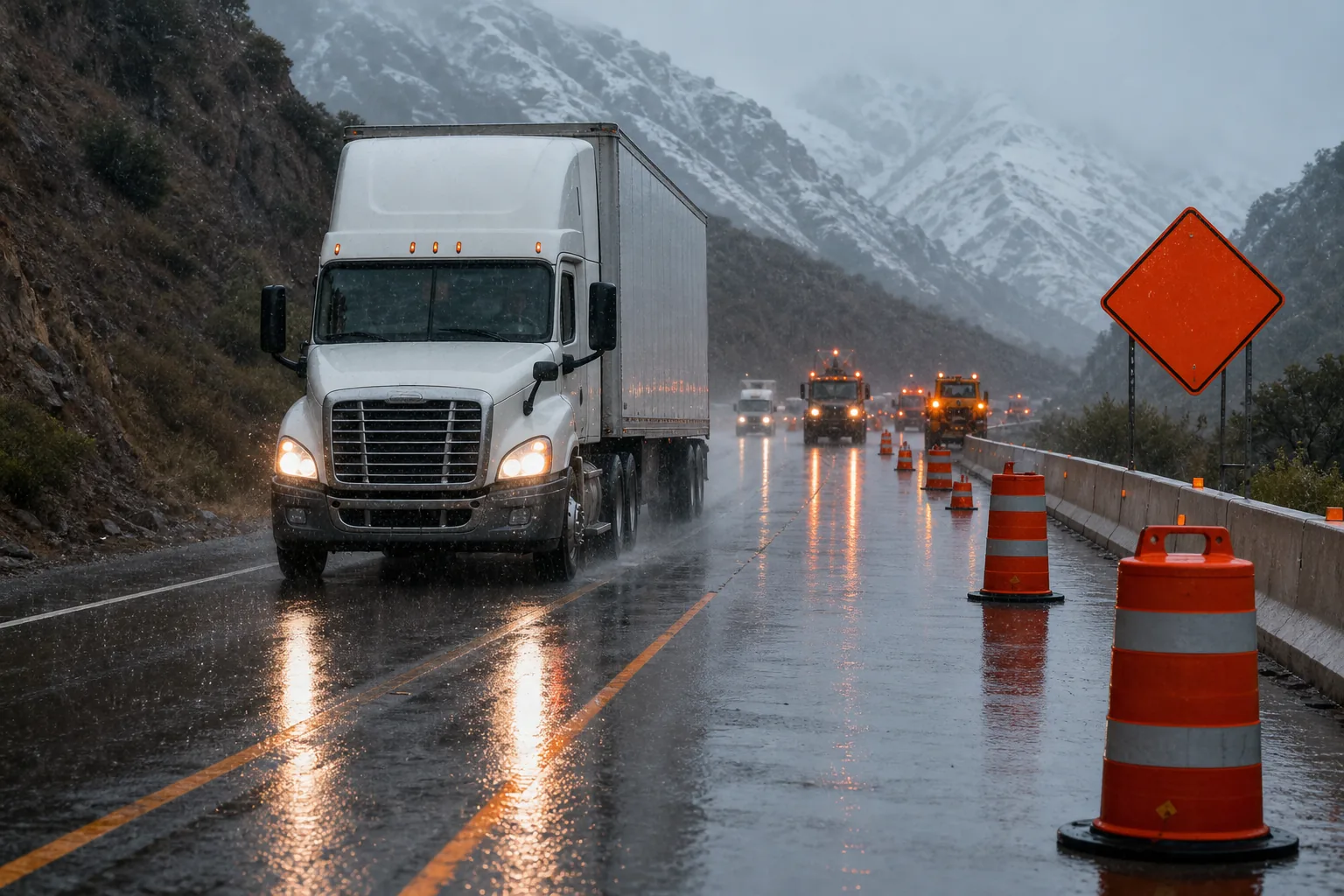
Road and traffic conditions can contribute to the common causes of truck accidents, even when no single driver appears reckless. Snow, ice, rain, wind, poor lighting, and standing water can reduce traction and visibility.
Utah roads can change quickly between open highway, mountain grades, urban traffic, and construction zones. A truck descending a grade needs more control and stopping room. Strong crosswinds can push a high-profile trailer toward another lane.
Other drivers also create serious risks. The research compilation reported that vehicles entering a truck’s lane made up 36% of the listed crashes. That can happen when a driver merges too close, crosses the center line, passes without enough room, or stays beside a trailer in a blind spot.
A truck driver still has duties in those moments. The driver must watch traffic, adjust speed, and leave room to respond. A car driver’s mistake does not erase a truck driver’s duty to act reasonably once a danger becomes visible.
Work zones add another layer. Narrow lanes may force a truck close to barriers. Sudden lane shifts can leave little space for a trailer to follow. Missing signs or unclear markings may raise questions about the contractor or public agency responsible for the roadway.
Weather alone rarely answers the legal question. Investigators may need to review weather records, road design, warning signs, skid marks, dashcam footage, and the timing of each vehicle’s movement.
Our firm reviews these details with the injury evidence. A crash may involve shared fault, which means more than one person or company contributed to the harm. That assessment can affect a personal injury claim and the amount of compensation available.
If you were hurt in a weather-related truck crash, don’t assume the case has no value. A dangerous road condition or unsafe driving choice may still be part of the evidence.
How Multiple Causes Can Combine in a Truck Crash
Many truck crashes have more than one cause. A clear answer often appears only after the facts are placed in order.
Imagine a truck with worn tires traveling too fast during rain. Another car then moves into the truck’s lane. The driver may have less traction, less time, and less room to avoid impact. Each fact can matter.
Now consider a different chain. A carrier schedules a long route. The driver becomes fatigued. The cargo shifts during a fast turn, and the trailer rolls. The crash may raise questions about driver conduct, scheduling pressure, loading, and inspection.
These cases require more than a quick review of the police report. We may examine:
- Driver logs and dispatch records.
- Vehicle inspection and repair history.
- Electronic data from the truck.
- Cargo weight and securement records.
- Photos, video, scene measurements, and witness accounts.
- Medical records that connect injuries to the collision.
The party who caused the crash may not be the party with the insurance policy. A trucking company may face responsibility for its employee’s conduct. A cargo loader may face a separate claim if poor securement caused the trailer to shift. A parts maker may enter the case if a defective component failed.
Victims should also avoid making a recorded statement before understanding the facts. An insurer may ask questions that focus on your actions while ignoring the truck’s maintenance or cargo records. Answering carefully protects the accuracy of the claim.
LeBaron & Jensen, P.C. works to take the stress off your plate while the evidence is gathered. We explain the claim, assess possible negligence, and pursue a fair settlement when the facts support one. If the parties cannot agree, we can discuss the next legal step with you.
FAQ: Common Causes of Truck Accidents
What is the most common cause of a truck accident?
The most common cause in the reviewed compilation was another vehicle entering the truck’s lane, listed at 36%. Fatigue followed at 30%. These figures vary by source and method, so they don’t decide fault in a specific Utah crash. Investigators still need to review the scene, vehicle records, driver conduct, and available video.
Can a truck driver be liable for a crash caused by fatigue?
Yes, a truck driver may be liable when fatigue caused unsafe driving. The claim may also involve the trucking company if scheduling, supervision, or policy encouraged unsafe conduct. Driver logs, dispatch records, rest patterns, and witness accounts can help show what happened before impact. The facts matter more than a label placed on the crash.
Can poor truck maintenance cause a personal injury claim?
Yes, poor maintenance can support a personal injury claim when a failed part contributed to the crash. Brake defects, tire problems, steering issues, and trailer connection failures deserve review. A carrier, maintenance provider, manufacturer, or another party may share responsibility. Preserve photos and seek legal advice before the truck is repaired or discarded.
What should I do after a truck accident in Utah?
After a truck accident in Utah, seek medical care and report the crash. If you’re safe, photograph the vehicles, road, signs, and visible injuries. Save medical bills and insurer messages. Don’t guess about fault in a recorded statement. Then contact LeBaron & Jensen, P.C. to discuss the evidence and possible deadlines.
Who can be responsible for a truck crash?
Responsibility may fall on the driver, trucking company, cargo loader, maintenance provider, vehicle maker, or road agency. More than one party may contribute. The answer depends on negligence, which means a failure to use reasonable care, and on the records tied to the crash. A careful review can identify claims that a first report misses.
Conclusion
Don’t assume the truck driver is automatically at fault, or that the case is hopeless when another vehicle entered the lane. Preserve the scene evidence, seek medical care, and speak with LeBaron & Jensen, P.C. about your options. We can help you understand who may be responsible and pursue the fair settlement your injuries support.