
Table of Contents
A dog bite settlement amount in Utah depends on the injury, the proof, and who must pay. There is no single average that can predict your result. Medical bills matter, but so do lost income, lasting scars, fear, and the facts behind the attack. We explain what shapes a claim and when legal help may protect your rights.
What Determines a Dog Bite Settlement Amount?
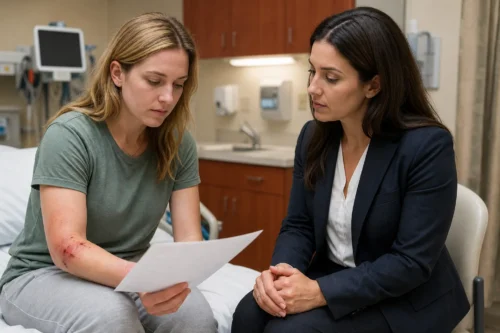
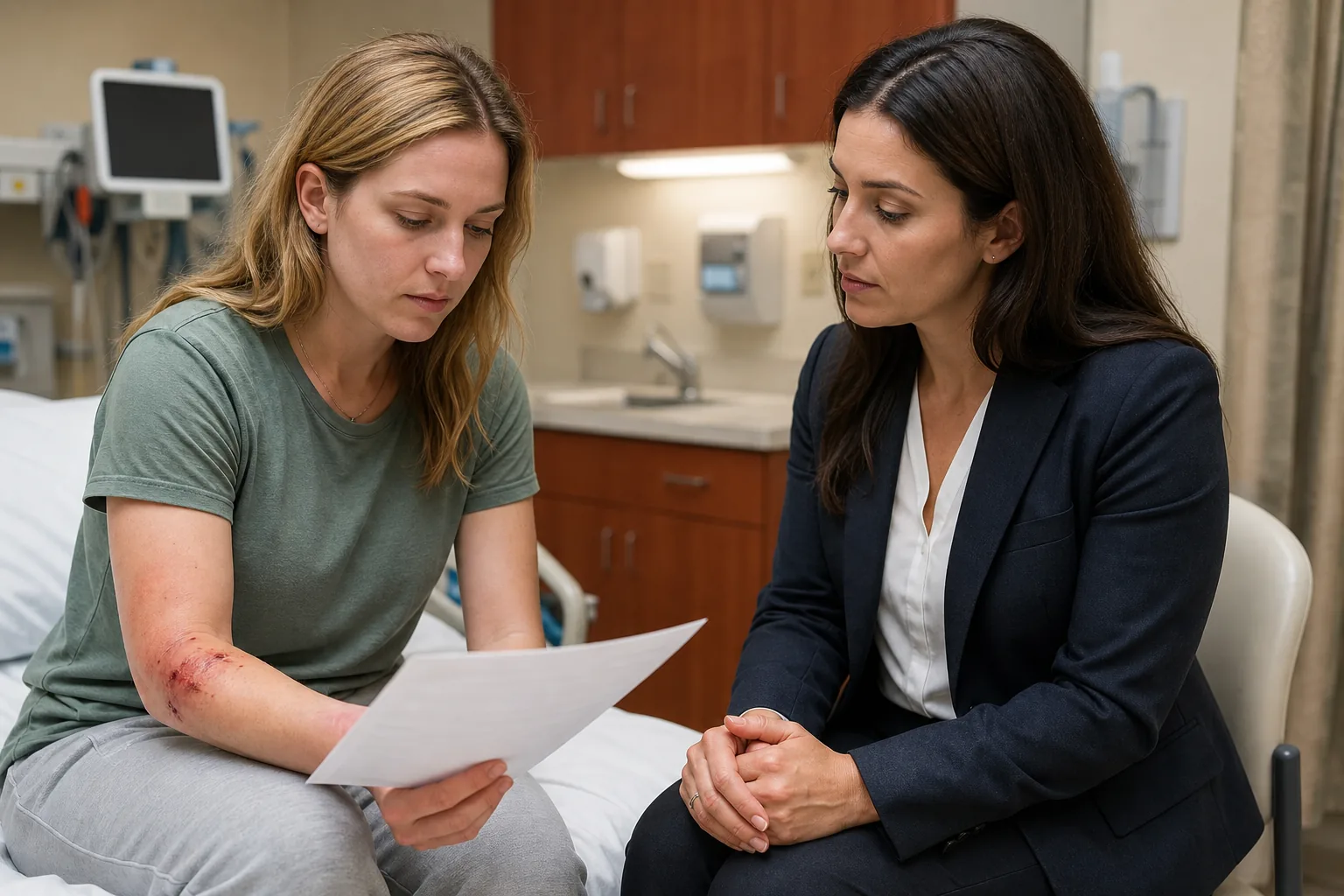
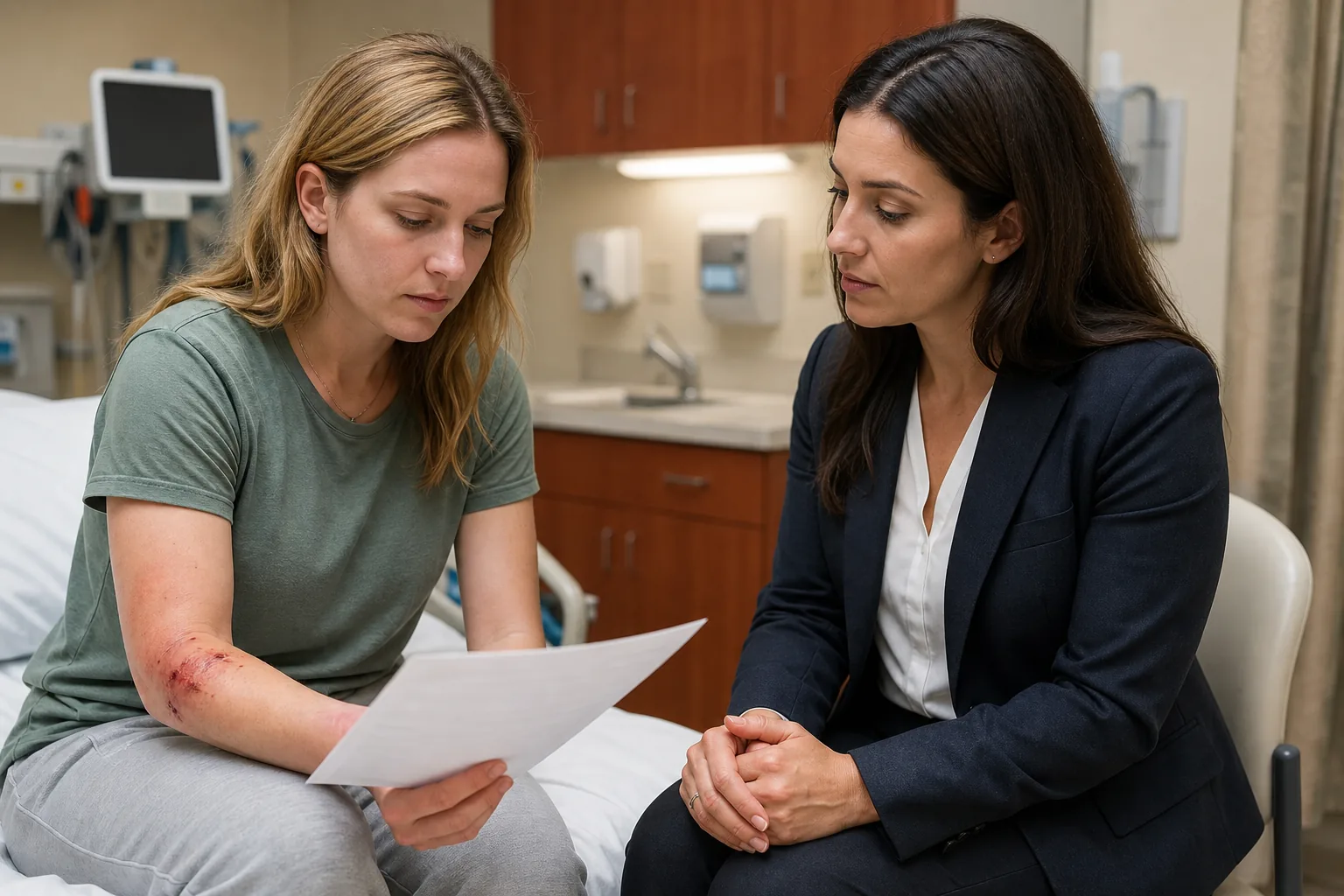
A dog bite settlement amount usually rises with the harm the bite causes. A minor wound that heals quickly is different from a deep puncture that needs surgery, scar treatment, or counseling.
Insurers often look at the full medical record. They may review the first emergency visit, follow-up care, prescriptions, physical therapy, and any care doctors expect in the future. A claim can lose value when the records do not connect treatment to the bite.
Location also matters. A bite to the face, hand, or another visible area may bring added concern because scarring can affect work and daily life. A child may face a different long-term impact than an adult, especially when fear of dogs changes normal activities.
The bite level can help describe the injury, but it doesn’t set a dollar value. The Dunbar Bite Scale is a behavior tool that ranks bites by severity. Medical records still carry more weight because they show the actual wound and its effects.
Liability is another major factor. If the owner clearly knew the dog was dangerous, the insurer may have less room to dispute fault. If the owner claims you provoked the dog or entered private property, the dispute may reduce or delay payment.
Insurance coverage also affects collection. A strong claim may still face limits if the available policy doesn’t cover the full loss. We at LeBaron & Jensen, P.C. review the facts, the records, and the available coverage before discussing a fair settlement.
Economic and Non-Economic Damages in Dog Bite Claims
Economic damages give a dog bite settlement amount its clearest starting point. These damages cover losses with bills, pay records, or other documents that show a direct financial cost.
Common economic losses include:
- Emergency treatment and follow-up visits
- Medication, wound care, and medical equipment
- Surgery, scar revision, or reconstructive care
- Travel costs tied to medical appointments
- Lost wages during recovery
- Reduced future earning ability after a lasting injury
Future care needs can make a major difference. Imagine a bite that damages a tendon in the hand. The first hospital bill may be only part of the loss. The person may need therapy and may struggle to return to the same job.
Non-economic damages address harm that doesn’t come with a fixed receipt. Pain and suffering can include the pain of the wound, the stress of treatment, and the limits placed on normal life. Emotional distress may include fear, sleep trouble, or post-traumatic stress symptoms.
Visible scars often need careful proof. A photo from the first day may show the wound. Later photos can show how the scar changes. A doctor can explain whether the mark may fade, remain raised, or need more care.
Family members should also watch for changes that seem small at first. A child who avoids parks, refuses medical care, or wakes after nightmares may need support. Counseling records can help show the effect without forcing the child to explain everything alone.
Wrongful-death claims follow a different path when a dog attack causes death. The family may seek losses tied to funeral costs, financial support, and the relationship with the person who died. The available damages depend on Utah law and the facts of the death.
We explain these damage categories in plain terms when we assess a case at LeBaron & Jensen, P.C. The goal is to document each loss before an insurer tries to close the claim too soon.
For a broader view of lasting physical and emotional harm, our page on long-term effects of dog bite injuries may help you spot losses that need medical proof.
How Utah Dog Bite Liability Rules Affect Compensation
Utah liability rules can affect both the dog bite settlement amount and the path to payment. Liability means the legal responsibility for the injury.
Some cases rely on a statute that places responsibility on a dog owner when the animal injures someone. Other cases may involve negligence. Negligence means the owner failed to act with reasonable care, such as ignoring a known risk or failing to control the animal.
The exact rule depends on the facts. Questions may include where the bite happened, whether you had permission to be there, what the owner knew, and whether anyone saw the attack.
Utah also follows comparative-fault principles in many injury disputes. Under comparative negligence, a court may reduce damages if the injured person shares some fault. For example, an insurer may argue that a person teased the dog or ignored a warning. That argument needs proof. An accusation alone doesn’t decide the claim.
Comparative negligence generally means a person’s recovery can be reduced by their share of fault. The application of Utah law still requires a fact-specific review.
Animal-control records can matter. A prior complaint, warning, or report may support the claim that the owner knew about a risk. Witness statements can also clarify whether the dog was loose, restrained, or acting without warning.
Don’t give an insurer a detailed recorded statement before you understand the issue. A rushed answer can leave out pain that appeared later or make a confusing moment sound like an admission.
Utah law also limits how long a person may wait to file suit. The deadline can depend on the defendant, the type of claim, and the injured person’s age. Waiting while an insurer reviews the claim can create risk if the legal deadline keeps running.
We at LeBaron & Jensen, P.C. look at liability before we chase a number. A demand has more force when it answers the likely defenses instead of ignoring them.
Evidence That Can Strengthen a Dog Bite Settlement Claim
Evidence can change a dog bite settlement amount because it turns a disputed event into a supported claim. Start with medical care, even when the wound seems manageable.
Keep copies of medical records and bills. Ask doctors about work limits, future treatment, scarring, nerve damage, and emotional symptoms. Follow care instructions unless another doctor gives a sound reason to change course.
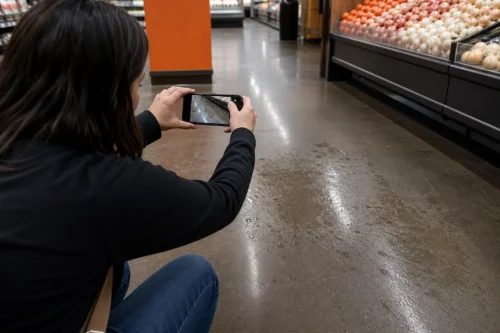
Photographs should show the injury over time. Take a clear image soon after the bite, then continue as the wound heals. Include a size reference when safe. Avoid editing the images in ways that hide the original condition.
Write down what happened while the details remain fresh. Note the date, place, dog owner’s name, witnesses, warnings, and the dog’s behavior. A short timeline can help resolve gaps that appear weeks later.
Useful evidence may include:
- Photos of the wound, torn clothing, and the scene
- Names and statements from witnesses
- Animal-control or police reports
- Messages with the dog owner or insurer
- Work records showing missed time
- Counseling notes tied to fear or trauma
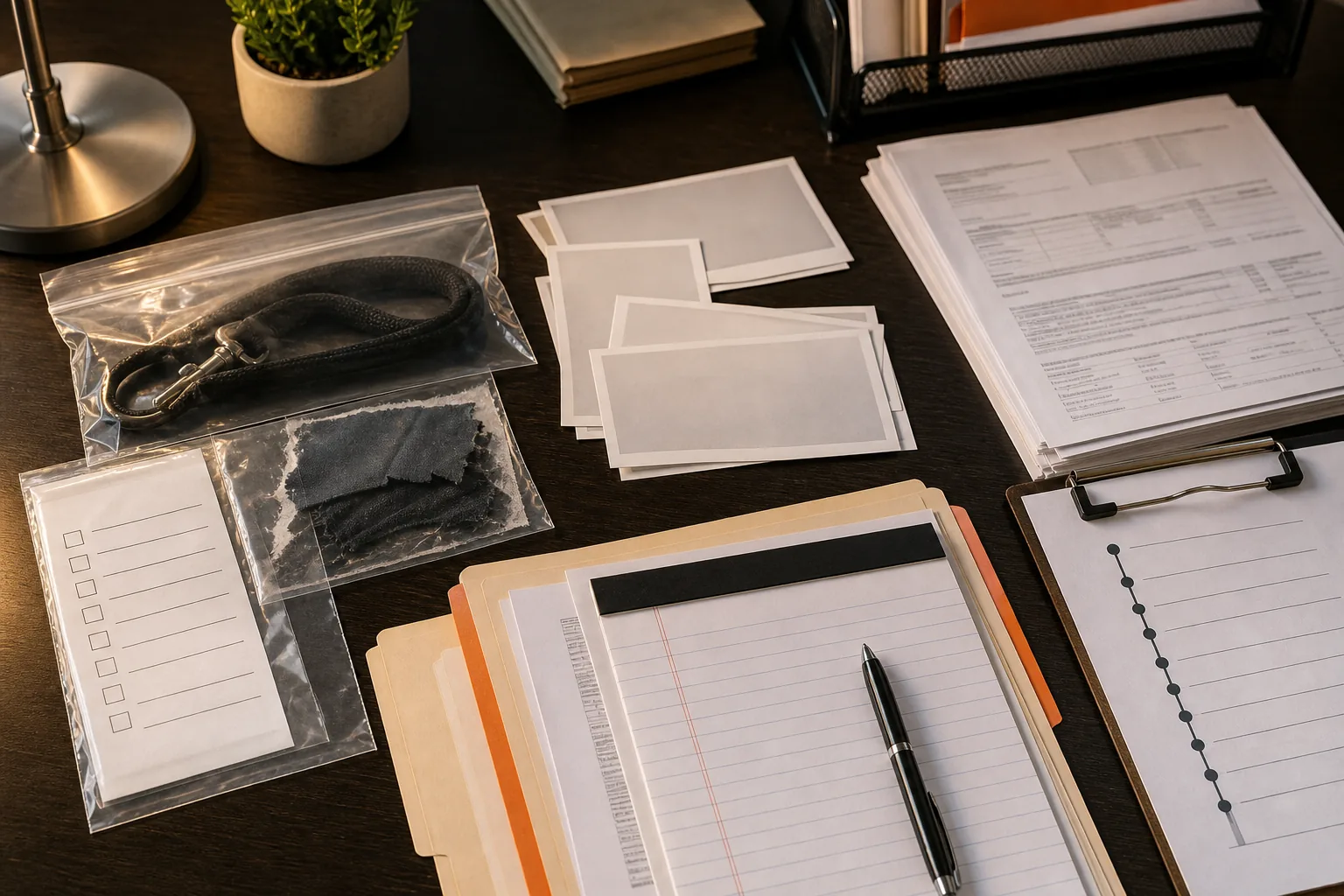
Preserve clothing and other damaged items. Don’t wash or repair them before taking photos. They may help show the force and location of the attack.
Social media can hurt a claim when posts make recovery look easy. A single photo doesn’t tell the whole story, but an insurer may use it to question your pain. Keep public posts limited while the claim remains open.
A demand letter should state the facts, explain liability, list documented losses, and request a response by a set date. It should leave room for negotiation without overstating what the evidence proves. Early settlement can save time, but a fast offer may miss future care and lasting harm.
When a Utah Lawyer Can Help Evaluate Your Settlement
A Utah lawyer can help when the dog bite settlement amount depends on disputed fault, serious harm, or future losses. You may not need the same level of help for every minor injury.
Legal review becomes more useful when:
- The bite caused surgery, nerve damage, or a lasting scar
- The insurer blames you for the attack
- The owner denies the dog caused the injury
- Medical treatment may continue
- You missed work or cannot return to the same job
- A child suffered facial or emotional harm
- The claim may involve wrongful death
We can help preserve evidence before it disappears. That may include requesting reports, identifying coverage, speaking with witnesses, and reviewing the medical timeline. We also look for gaps that an insurer may use to cut an offer.
Settlement talks should begin with a clear demand. The demand should account for known bills and explain losses that need expert support. It should also avoid promising a result that the evidence cannot support.
We take the stress off your plate by handling claim communications while you focus on care. You still make the final choice about any settlement. Our role is to explain the risks, the likely disputes, and the value of waiting when future harm remains unclear.
Fees and case costs should be explained before representation begins. Ask how the fee works, which costs may come from the recovery, and what happens if the case doesn’t settle. A written agreement prevents confusion later.
LeBaron & Jensen, P.C. can review the facts and help you decide whether legal action makes sense. Start by gathering your records and writing down what happened. That first step gives any lawyer a better basis for advice.
FAQ
What is the average dog bite settlement amount in Utah?
There is no reliable average that predicts every Utah claim. A dog bite settlement amount depends on medical costs, lost income, scarring, emotional harm, liability, and available insurance. Minor wounds may resolve for less than serious injuries requiring surgery or long-term care. Any estimate should follow your records, not a number from a general web search.
Does Utah have strict liability for dog bites?
Utah dog bite liability may depend on the state dog bite statute and the facts of the attack. The owner’s knowledge, your location, warnings, and conduct can all matter. Don’t assume the case is automatic or impossible. A lawyer can review the applicable rule and assess defenses before you respond to an insurer.
Can I get compensation for a dog bite scar?
Yes, a dog bite scar can support compensation when medical evidence shows its lasting effect. The claim may include treatment costs, future scar care, pain, emotional distress, and changes to work or daily life. Photos alone may not be enough, so ask a doctor to describe the scar and likely future needs.
How long do I have to file a dog bite claim in Utah?
The filing deadline depends on the claim and the people involved. Utah deadlines can also change when a child is injured or a government entity is involved. An insurance negotiation doesn’t always stop the clock. Get legal advice early so you don’t lose a claim while waiting for treatment or settlement talks.
Should I accept the insurance company’s first offer?
You shouldn’t accept a first offer until you understand your full losses. Early offers may rely on bills already received while ignoring future care, lost earning ability, or emotional harm. Ask what the release would cover before signing. Once you accept and release the claim, you may not recover more later.
A fair settlement starts with complete proof and a careful review of Utah law. If a dog bite caused lasting harm, contact LeBaron & Jensen, P.C. to discuss your records, deadlines, and next step before accepting an offer.