
Table of Contents
A Utah personal injury case may take a few months or several years. A simple soft-tissue claim can settle quickly, while a serious negligence case may last four years.
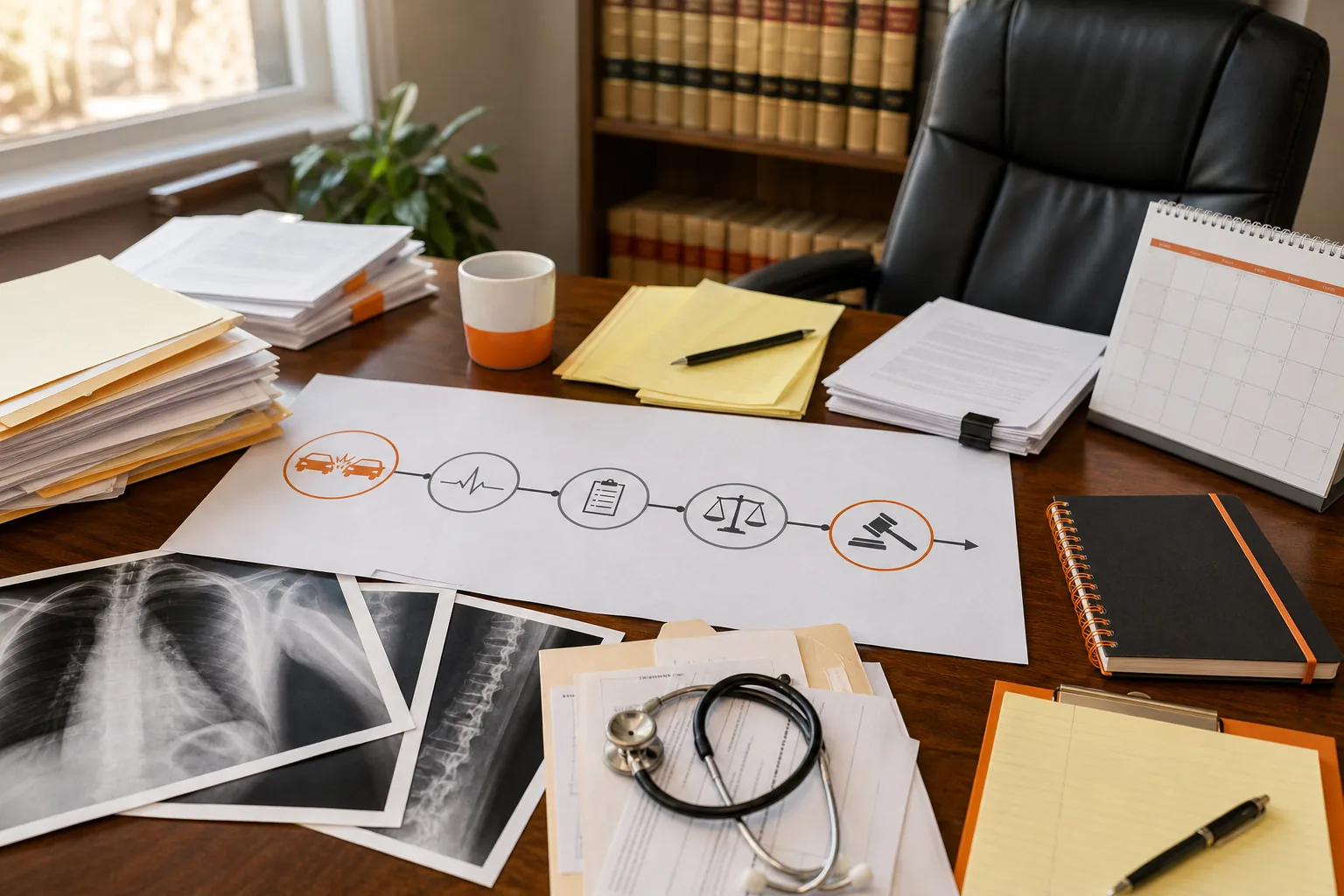
Most cases move through medical care, evidence review, settlement talks, and sometimes court. We explain where time goes, what causes delay, and when you should get legal help from LeBaron & Jensen, P.C..
The Typical Personal Injury Case Timeline at a Glance
So, how long does a personal injury case take in Utah? Most cases settle within about 12 to 30 months, though the range is wide.
The shortest cases involve clear fault and minor injuries. The longest cases tend to involve disputed liability, several parties, permanent harm, or a government defendant.
The trial itself is often short. The case may still take roughly two years before anyone enters the courtroom because preparation takes much longer.
Utah District Courts hear major civil cases. More information about these courts is available here.
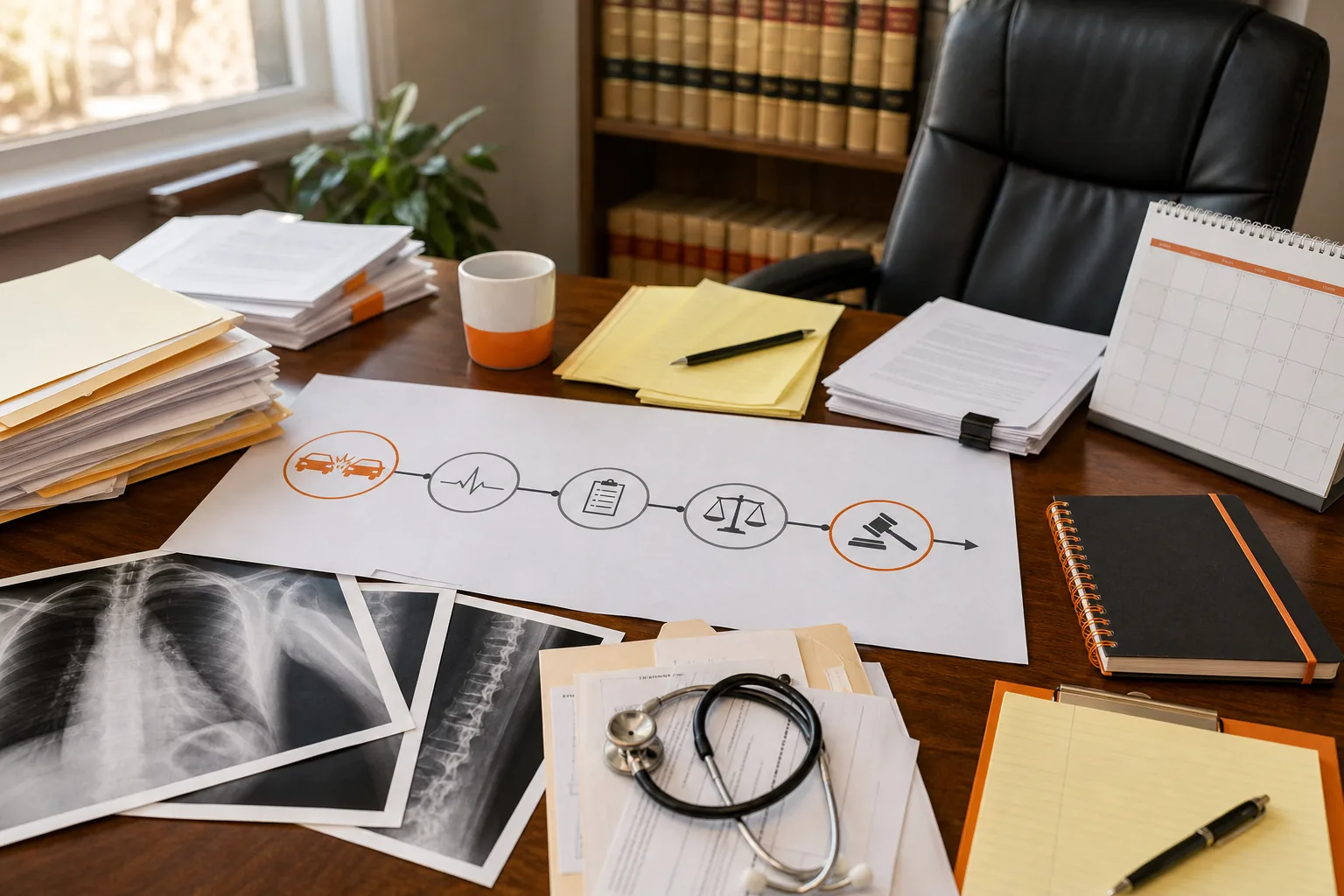
A deadline is different from a case timeline. Utah generally gives people up to four years to file most personal injury claims, but that does not mean waiting is safe. Evidence can disappear, witnesses may forget details, and medical records become harder to collect.
Government claims need faster action. A written notice usually must be delivered within one year. After notice, Utah law may require a waiting period before a lawsuit can begin. We check these deadlines early at LeBaron & Jensen, P.C. because a missed deadline can end a claim before its value is reviewed.
Why Medical Treatment and Case Preparation Can Take Months
Medical care often controls the pace of a personal injury claim. We usually need a clear picture of your condition before we can judge a fair settlement.
A doctor may call this point maximum medical improvement. That means your condition has become stable, and more treatment is unlikely to change it in a major way. Settling before that point can leave you without money for future care.
A mild neck strain may improve after a few months. A broken bone may need surgery followed by physical therapy. Brain injuries and permanent impairments can require a much longer review because symptoms may change over time.
The goal is not to delay your case. The goal is to avoid a rushed result that ignores future medical bills, lost income, or daily limits caused by the injury.
During treatment, keep every appointment when possible. Save bills and mileage records. Tell your doctor about changes in pain, sleep, movement, and work ability. These details help connect the injury to the crash.
We also gather records beyond medical charts. A case may need a police report, photographs, video footage, witness accounts, employer records, or proof of past and expected care. If fault is disputed, we may need more time to test each version of the event.
Utah uses no-fault insurance for initial accident benefits. Certain benefits under the policy may help pay early medical costs and some lost wages. Those benefits do not settle the full injury claim.
Insurance adjusters may ask for a recorded statement or a broad medical release. Before signing anything, ask what the document allows and how it could affect your claim. We can review those requests and take the stress off your plate.
Once treatment is stable, we prepare a demand package. It explains fault, medical care, financial losses, and the amount sought. A careful package can reduce needless back-and-forth, though it cannot force an insurer to make a fair offer.
Insurance Negotiations and Settlement: The Fastest Common Path
Settlement is usually the fastest common path for a personal injury case. It ends the dispute through a written agreement instead of a trial verdict.
Negotiations often begin after treatment reaches a stable point. We send the insurer a demand package, then review its response. The first offer may not reflect your full losses, especially when future care or fault is still disputed.
The next stage is a measured exchange. We explain why the offer falls short. The insurer may respond with a counteroffer or ask for more proof. Each side weighs the evidence, the risk of trial, and the likely value of a verdict.
A quick settlement is not always a good settlement. If you accept before doctors understand the full injury, you may lose the right to seek more money later. That choice matters when symptoms continue or future surgery remains possible.
Utah follows a modified comparative-fault rule. In general, a person may recover when their share of fault is no more than 50 percent, though the award can be reduced by that share. If an insurer says you caused part of the crash, that argument can lengthen talks.
For example, an insurer may claim you were speeding or failed to watch traffic. We would compare that claim with the crash report, photographs, witness accounts, and other proof. The question is not simply who sounds more convincing. It is how the evidence supports each side.
Mediation can help when talks stall. A neutral mediator does not decide the case. Instead, that person helps both sides assess the dispute and look for terms they can accept.

When an agreement is reached, the release must be reviewed closely. It may end claims tied to the accident. Payment can then take additional time while liens, case costs, and final documents are handled.
At LeBaron & Jensen, P.C., we focus on a fair settlement rather than a fast signature. Speed helps only when the result covers the harm you can reasonably prove.
If a Lawsuit Is Filed: Discovery, Motions, and Mediation
Filing a lawsuit usually makes a personal injury case longer. It may also be necessary when the insurer will not offer a fair settlement.
The complaint starts the court case. The defendant answers it, and the court sets deadlines. Those deadlines shape the pace, but court schedules and disputes can move them.
Discovery is the evidence-gathering stage. Both sides ask written questions, request records, and identify witnesses. They may also take depositions, which are recorded questions answered under oath.
In Utah, discovery often lasts six months to more than one year. A case with two drivers and clear records may move faster. A case with several defendants, missing documents, or many witnesses can take much longer.
Discovery can also expose weak points. One side may learn that a witness saw only part of the crash. Medical records may reveal a prior condition. Employment records may support a claim for lost income. These facts shape the value of settlement talks.
Motions create another possible delay. A motion asks the judge to decide a legal or procedural issue. For example, a party may challenge evidence or ask the court to dismiss part of a claim.
Not every motion ends the case. But each one needs a response, legal research, and sometimes a hearing. A court then needs time to issue a ruling.
Mediation often happens after both sides know more about the evidence. That timing can help because each party has a clearer view of risk. Still, mediation is voluntary in its result. If no agreement is reached, the lawsuit continues.
We prepare clients for each stage in plain language. You may need to answer questions, review records, or attend a deposition. We handle the legal work while you focus on medical care and daily life.
A lawsuit can still settle at any point before the verdict. Many cases resolve after discovery because the evidence changes one side’s view of the claim.
For a closer look at the court path, our explanation of how long a personal injury lawsuit may take covers the stages that follow a filing.
Trial, Special Deadlines, and the Cases That Take Longest
A trial usually takes only a few days to two weeks. The preparation before trial can take far longer.
Trial preparation includes final witness work, exhibit review, motions, and opening and closing plans. The judge’s schedule also matters. A trial date may be moved when another case takes longer than expected.
At trial, each side presents evidence. Witnesses answer questions in court. The judge decides legal issues, while the jury may decide fault and damages. After the verdict, post-trial motions or an appeal may add more time.
The cases that take longest often share one feature: the key facts are contested. A defendant may deny negligence. Several parties may blame one another. An insurer may dispute whether the accident caused the claimed condition.
Permanent injuries also add time because future losses need careful proof. A life-care plan or expert opinion may be needed to estimate long-term treatment. The value of lost earning ability may require work history and medical limits.
Wrongful death claims have their own deadline. In Utah, the general period is two years from the date of death, subject to possible exceptions. Product liability claims also have a shorter filing period than most injury claims.
Claims against a government entity need special care. Written notice generally must be delivered within one year. Utah law also requires a waiting period after notice before a lawsuit may be filed. The notice must contain the required details and reach the right entity.
Medical malpractice claims can follow different timing rules. The period may run from discovery of the injury, with a firm outside limit tied to the event. The exact rule depends on the facts, so an early legal review matters.
A statute of limitations is a filing deadline, not a promise that the case will last that long.
We do not wait until the deadline is close. At LeBaron & Jensen, P.C., we identify the defendant, claim type, and possible deadline at the start. That gives us room to investigate before evidence becomes harder to find.
The safest decision rule is simple: seek legal advice soon after the accident, especially when a government vehicle, serious injury, death, product, or medical provider is involved.
FAQ: How Long Does a Personal Injury Case Take?
How long does a personal injury case take to settle?
A personal injury case may settle in a few months or take two years or more. Minor injuries with clear fault tend to move faster. Serious injuries, disputed fault, future medical needs, and slow insurance responses add time. Most cases settle before trial, but the right point to settle depends on the evidence.
How long does a personal injury lawsuit take in Utah?
A Utah personal injury lawsuit often takes 12 to 30 months, though some resolve sooner and complex cases may last several years. Discovery alone commonly lasts six months to more than one year. Court scheduling, motions, witness availability, and the number of parties all affect the timeline.
How long after medical treatment will I get a settlement?
After medical treatment ends, settlement work may take several weeks to several months. We first collect final records and bills, assess future care, and prepare a demand. Negotiations then begin. A case may move faster when fault is clear, but an insurer can extend talks by disputing liability or damages.
What is the deadline to file a personal injury claim in Utah?
Most Utah personal injury claims have a filing period of up to four years, but special claims have shorter deadlines. Wrongful death and product liability claims commonly involve two-year periods. Government claims usually require notice within one year. Do not rely on a general deadline because exceptions can change the result.
Will my personal injury case go to trial?
Most personal injury cases do not go to trial. They settle after investigation, a demand, discovery, or mediation. Trial becomes more likely when the parties sharply disagree about fault or the value of long-term harm. Even then, settlement can happen shortly before trial begins.
Conclusion
No lawyer can promise an exact end date before reviewing the facts. Get help early, keep your medical records, and avoid signing a final release before you understand your future needs. If you were injured in Utah, LeBaron & Jensen, P.C. can review the timeline, protect key deadlines, and help you pursue a fair settlement.