

Table of Contents
After an accident, missed details can weaken an otherwise valid claim. Our review found that only one of five Utah injury tips warned about the statute of limitations. Use this checklist to protect your health, preserve proof, track losses, and prepare for a meeting with LeBaron & Jensen, P.C.
Step 1: Get Immediate Medical Care and Document Your Injuries
The first part of any personal injury case preparation checklist in Utah is medical care. Your health comes first, and early records can also connect your injuries to the accident.
Get emergency care when you have severe pain, trouble breathing, bleeding, loss of movement, or signs of a head injury. If your condition feels less urgent, arrange a medical visit as soon as you can. Tell the provider exactly what happened and describe every symptom, even if it seems minor.
Some injuries grow worse over the next several days. Whiplash, back pain, and concussion symptoms may not appear at the crash scene. Do not skip follow-up visits because the first exam looked normal.
At each visit, ask for copies of your records. Keep the discharge papers, test results, prescriptions, referrals, and bills in one folder. Write down the date of each visit and the treatment the provider recommended.
- Take a photo of visible bruises, cuts, swelling, or casts.
- Record pain levels and limits on daily tasks.
- Note missed work, canceled plans, and help you need at home.
- Follow care instructions unless another provider changes them.
A short daily log can help when symptoms change. Write what hurts, what treatment you received, and what you could not do that day. Keep the notes factual. Do not guess about your long-term recovery.

Step 2: Gather Accident Evidence, Photos, and Witness Information
A strong Utah personal injury case checklist must capture what happened before evidence disappears. Start with the scene, then preserve the people and records that can support your account.
If you’re still at the scene and it’s safe, photograph the road, traffic signs, lane markings, weather, vehicle positions, and visible damage. Take wide photos first. Then take close photos that show broken parts, skid marks, debris, and your injuries.
Do not put yourself in danger to get a picture. Leave the roadway when traffic or another hazard makes the scene unsafe. You can return to the area later to photograph road conditions, nearby signs, or sight lines.
Ask witnesses for their names and contact details. Record what they saw in their own words. Avoid telling a witness what to say. A neutral account may help more than one that sounds coached.
Save the police report when it becomes available. Also keep tow records, repair estimates, photographs, dashcam footage, and messages about the crash. Make a backup copy in a secure folder. Preserve the original files because image dates and file details may matter.
Photos, receipts, messages, and witness accounts may help establish what happened at trial. Keep copies of filed and served papers for your records.
Write your own timeline while your memory is fresh. Include where you were going, what you noticed, the impact, what happened afterward, and when symptoms began. Mark uncertain details as uncertain. Guessing can cause trouble later.
Do not delete posts, messages, or photos related to the accident. Avoid arguing about fault online. A private message can still become part of a dispute if someone later produces it.
When the scene evidence is in one place, add a short list of unanswered questions. For example, you may still need the traffic camera record, a witness statement, or a copy of the crash report.
Step 3: Organize Medical Bills, Lost-Wage Proof, and Other Damages
Evidence of fault is only half of a personal injury case preparation checklist for Utah. You must also show how the injury affected your money, work, and daily life.
Build a damages folder with a separate section for each loss. Start with medical charges. Keep invoices even when health insurance paid part of them. The amount billed, the amount paid, and the amount still owed may all matter during claim review.
Ask each provider for an itemized bill. Match every bill to the related visit or treatment. If two providers bill for the same service, flag the issue instead of guessing which bill is correct.
For lost income, request a wage statement from your employer. Keep pay stubs that show your normal earnings. If you missed shifts, used paid leave, lost overtime, or could not return to the same work, write down the dates and ask how your employer documents that loss.
Self-employed workers may need a different record trail. Save invoices, contracts, canceled jobs, tax records, and calendar entries that show the work you could not complete. Do not inflate a loss. A clean record is easier to review.
Track costs that are easy to forget
Small expenses can add up after an injury. Keep receipts for travel to treatment, medical supplies, prescriptions, home help, child care, and vehicle-related costs. Write the purpose beside each receipt.
Also record nonfinancial harm. A daily log may show sleep problems, limits on exercise, trouble caring for children, or changes in your normal routine. Share those facts with your lawyer. You do not need to assign a dollar value yourself.
Use a simple spreadsheet or paper log with these columns:
- Date of expense or missed work
- Type of loss
- Amount
- Proof available
- Related treatment or accident event
Update the file once a week. Keep a copy outside your phone in case the device is lost. If a bill arrives after you submit an insurance claim, add it to the same record rather than starting a second list.
Our team at LeBaron & Jensen, P.C. can review the records with you and identify gaps before an insurer or opposing lawyer does.
Step 4: Protect Your Utah Claim Deadlines and Insurance Communications
Deadline blindness is one of the most serious risks in a Utah injury claim. A complete personal injury case checklist must track legal deadlines separately from insurance deadlines.
Utah personal injury lawsuits generally have a four-year filing period. Uninsured-motorist claims can involve a three-year period. Exceptions may change the calculation, and the correct date can depend on the claim type, the defendant, and facts that are not obvious at first.
Do not wait until the last month. Put the possible deadline on your calendar, then set an earlier date to speak with counsel. The time needed to investigate, prepare a complaint, serve papers, or address a coverage issue can be longer than expected.
Some cases also have short online procedure deadlines. Read the instructions for the court handling your case, including service deadlines and proof-of-service steps.

Notify the right insurer promptly, but keep your first report brief and accurate. Give the basic facts needed to open the claim. Do not guess about fault, future treatment, or the value of your injuries.
Insurance adjusters may ask for a recorded statement or a broad medical authorization. Before signing or giving a detailed statement, ask a Utah injury lawyer to review the request. A careless answer can affect how the insurer views causation or damages.
Keep every letter, email, text, claim number, estimate, and voicemail transcription. Record the date of each contact. If an insurer denies the claim, save the denial and the explanation. Do not let settlement pressure push you into signing a release before you understand what rights it ends.
The court procedures may include short procedural windows that control the next step. That is why we recommend a written deadline chart, even when an insurance claim is still under review.
Keep the chart simple. List the accident date, notice date, medical milestones, insurance deadlines, possible lawsuit deadline, and any court date. Ask counsel to confirm each entry.
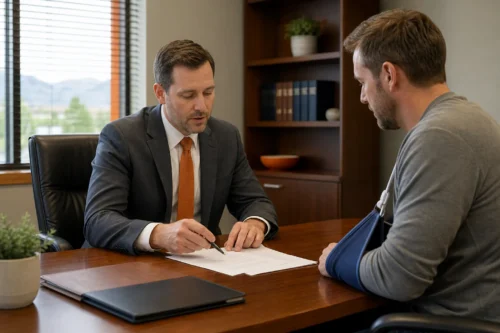
Step 5: Prepare for a Consultation With LeBaron & Jensen, P.C.
Meeting a lawyer can feel hard when you’re hurt and tired. A short packet helps LeBaron & Jensen, P.C. understand the claim and take the stress off your plate.
Bring or send copies of the documents that apply. Keep the originals in your own file. Your packet may include:
- Police or incident reports
- Photos and videos from the scene
- Witness names and messages
- Medical records, bills, and treatment notes
- Health insurance information
- Auto insurance declarations and claim letters
- Pay records and proof of missed work
- Repair estimates and property damage records
- Your symptom and expense log
Write a one-page timeline before the meeting. Include what happened, when care began, how symptoms changed, and what the insurer has said. If you do not know an answer, say so. Accuracy matters more than a polished story.
Questions to ask during the meeting
- What facts support negligence, and what facts need more proof?
- Which deadline applies to my claim?
- What records should I request next?
- Should I give the insurer a statement or sign its authorization?
- What damages may the evidence support?
- What happens if settlement talks fail?
- How will the case be managed and communicated?
Tell the lawyer about prior injuries, gaps in treatment, earlier claims, and facts that may seem unfavorable. Hidden facts often cause more harm than difficult facts disclosed early.
That may include continued negotiation, a lawsuit, or another civil remedy. Our goal is to pursue a fair settlement when the evidence supports one, while preparing the case for court if needed.
Bring questions about fees and case costs as well. Ask what happens if the claim does not succeed. You should understand the agreement before signing it.
Our personal injury lawyer Utah service page explains the types of injury matters our firm handles. You can start by gathering the packet above, then request a consultation with LeBaron & Jensen, P.C.
FAQ
What should I do first after a Utah car accident?
Get medical care first, then preserve basic accident evidence. This personal injury case preparation checklist Utah readers can use starts with treatment because symptoms may worsen and medical records connect care to the crash. Report the accident as required, save photos and witness details, and avoid detailed insurance statements until you understand your rights.
How long do I have to file a personal injury lawsuit in Utah?
Many Utah personal injury lawsuits have a four-year filing period, but some claims use a different deadline. Uninsured-motorist claims can involve three years. This Utah injury checklist is only a starting point because exceptions may apply. Ask a lawyer to calculate the date for your claim before the deadline gets close.
Should I talk to the other driver’s insurance company?
You should report the basic accident facts, but speak with a lawyer before giving a recorded statement or signing broad releases. An insurer may ask questions about fault, prior injuries, or future care. Your Utah claim preparation notes should include every contact, request, and letter so counsel can review the full exchange.
What documents should I bring to a Utah injury lawyer?
Bring accident reports, photographs, witness details, medical records, bills, wage proof, insurance letters, and your timeline. A personal injury case checklist Utah claimants use should also include repair records and expense receipts. Do not delay a consultation because one document is missing. Your lawyer can help request the rest.
What is online dispute resolution?
Online dispute resolution is a process that lets certain parties work toward resolving a case through an online system. Check the applicable instructions right away, save the login email, and ask for legal help if access or eligibility is unclear.
Conclusion
Start your file today with medical records, accident proof, loss records, and a deadline chart. Then share it with LeBaron & Jensen, P.C. before speaking in detail with an insurer or signing a release. We can help assess the evidence, protect your claim, and pursue a fair settlement when the facts support it.