
Table of Contents
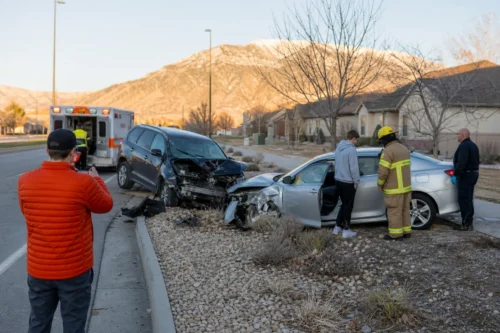
A hit and run can leave you hurt, shaken, and unsure who will pay. You may still have a personal injury claim after a hit and run through your own uninsured motorist coverage. These steps can help you protect the claim while we work to take the stress off your plate.
Step 1: Get Medical Help and Report the Hit and Run
Your health comes first after a hit and run. Get emergency care for serious symptoms, then arrange a medical exam even if you feel mostly fine.
Some crash injuries take hours or days to appear. A medical record also connects your symptoms to the collision. Tell the provider what happened, where you hurt, and when each symptom began.
Ask the provider to record your complaints clearly. Follow the care plan. Keep every discharge paper, prescription record, bill, and appointment note.
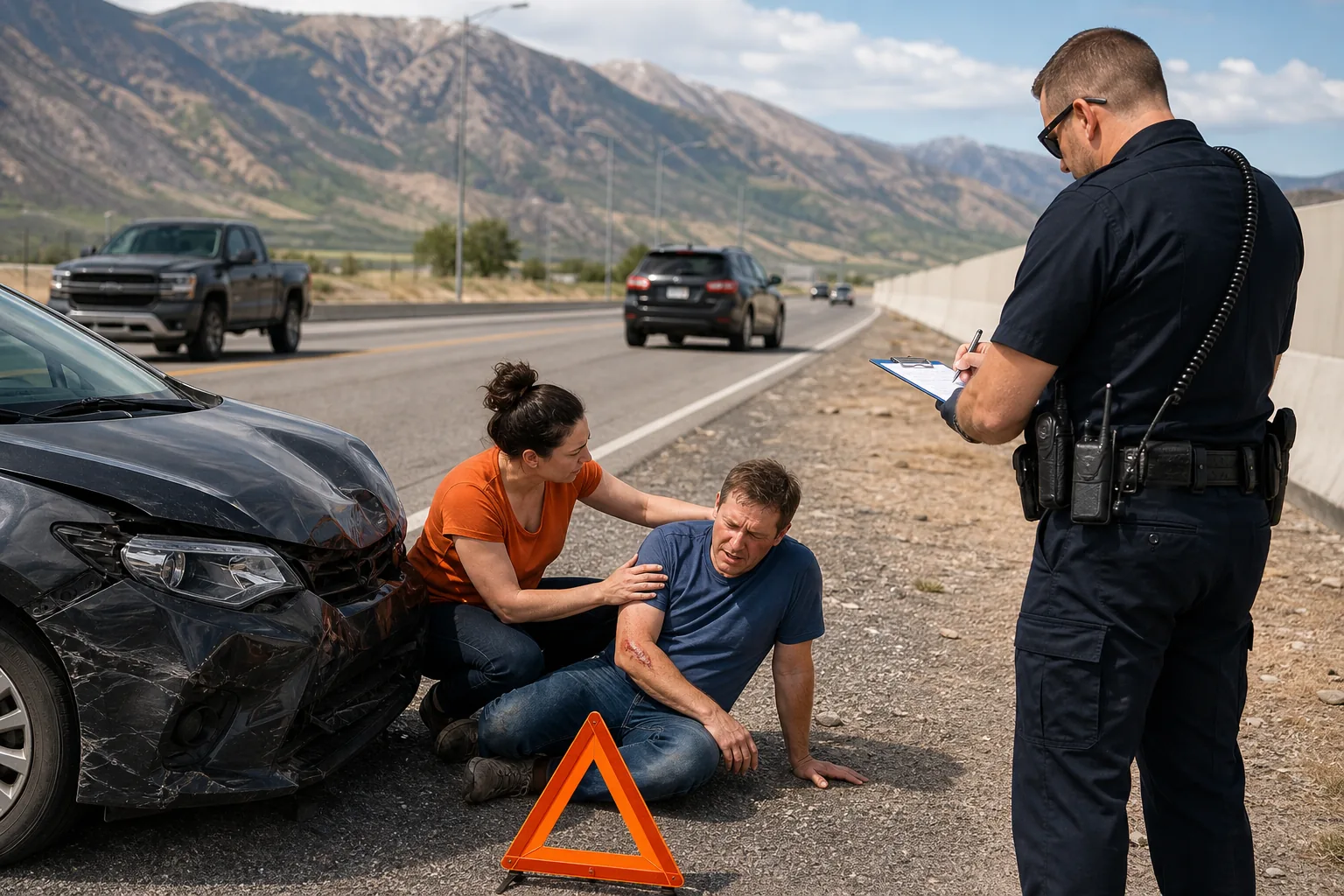
Report the crash to law enforcement as soon as you can. Give the officer the crash location, time, travel direction, vehicle details, and any part of the plate number you remember. Tell the officer about witnesses and nearby cameras.
Do not chase the fleeing driver. You could cause another crash or put yourself in more danger. If you can do so safely, stay near the scene until help arrives.
Ask how to obtain the report or incident number. If no report was made at the scene, filing an injury claim without a police report may still be possible, but other proof becomes more important.
A report does more than start an investigation. It creates an early record of what you said, what officers observed, and whether anyone saw the vehicle leave.
Keep your medical care and police report records together. That file becomes the first part of your claim.
Step 2: Gather Evidence Before It Disappears
Evidence can vanish quickly after a hit and run. Start with what you know, then preserve anything that may identify the driver or prove your losses.
Write down your memory while it stays fresh. Include the time, road, lane, weather, traffic, direction of travel, and point of impact. Describe the other vehicle without guessing. Color, body style, damage, stickers, roof racks, and partial plates can help.
Take wide photos of the road and nearby businesses. Then photograph your vehicle from several angles. Include close images of paint transfer, broken parts, tire marks, glass, and damage inside the car.
Ask witnesses for their names and contact details. Don’t pressure them to choose who was at fault. Ask only what they saw. A neutral witness may recall the vehicle’s path or plate better than someone involved in the crash.
Look for video sources before recordings get deleted. Nearby stores, homes, parking lots, buses, and traffic systems may have footage. Tell law enforcement where cameras may be located. You can also ask a property owner to preserve the recording, though the owner may not release it to you.
Save every message, photo, bill, and note in one folder. Keep the original files. Don’t crop photos in a way that removes the date, location, or surrounding scene.
Social media can hurt a claim. Avoid posting crash photos, exercise updates, travel plans, or comments about how you feel. An insurer may treat a short post as proof that your injuries are minor.
Keep a simple loss log. Record each missed shift, medical visit, travel expense, prescription cost, and task you can’t do. Ask your employer for wage records if the injury affects work.
Think of the evidence as a chain. The police report supports the event. Medical records support the injury. Photos and witness accounts support fault and impact. Bills and work records support the amount you seek.
Step 3: Notify Your Insurer and Check Uninsured Motorist Coverage
Your own insurer may be the first path to compensation when the driver can’t be found. Notify the insurer promptly and ask for a full copy of your policy.
Look for uninsured motorist coverage, often called UM coverage. It may apply when an unknown driver causes a crash, but the policy can require specific proof. Those rules may include timely notice, a police report, or proof of physical contact between vehicles.
Don’t assume the adjuster is your advocate. The adjuster works for the insurer. Give accurate facts, but avoid guessing about speed, fault, future treatment, or the full effect of your injuries.
Do not give a recorded statement before you understand your rights. Do not sign a broad medical release without reviewing what records it seeks. An insurer may ask for records that have little connection to the crash.
Send basic notice through the method your policy requires. Keep proof of the notice and every letter. Ask these questions in writing:
- Does my policy provide coverage for injuries caused by an unknown driver?
- What limits and deductibles apply?
- What deadlines control notice and proof of claim?
- What documents do you need now?
- Has the claim been assigned to an adjuster?
A hit and run claim can involve a dispute about whether contact occurred. For example, a driver may strike your car and leave little visible damage. Your photos, paint transfer, debris, witness account, and prompt report may help address that dispute.
| Insurance issue | What to check | What can create a problem |
|---|---|---|
| Unknown driver | UM coverage and policy definition | No timely notice or weak proof of contact |
| Known driver later found | The driver’s liability coverage | Late report or disputed fault |
| Your vehicle damage | Coverage for vehicle damage and deductible | Repair before photos or inspection |
| Medical bills | Coverage for medical bills and payment records | Unpaid balances or gaps in care |
Coverage is a contract. The policy language controls, not the label on the adjuster’s first email. We can review the terms before you accept a position on coverage.
Step 4: Calculate Your Injuries, Financial Losses, and Other Damages
A fair settlement must account for the full cost of the injury. Don’t value your claim from one hospital bill or an early insurance offer.
Start with medical expenses. Include emergency care, follow-up visits, imaging, therapy, medication, medical equipment, and related travel. Keep bills even if health insurance paid them. The records can still show the cost of treatment.
Track lost income. Gather pay stubs, schedules, tax records, and a note from your employer. If you missed work without using paid leave, record that loss. If your injury limits future work, the analysis may need more detail.
Some losses are less direct. You may need help with child care, housework, yard work, or transportation. Write down who helped, what they did, and how often. Don’t inflate the record. A clear, honest log is more useful than a broad estimate.
Pain and suffering refer to the physical discomfort and emotional strain caused by the injury. There is no single calculator that can set a fair amount. The facts matter, including the diagnosis, treatment length, limits on daily life, sleep problems, and expected recovery.
Keep a daily symptom journal. Note pain levels, sleep, movement limits, missed activities, and treatment effects. Use plain facts. “I couldn’t lift my child after work” says more than “I felt bad.”
Future losses need care. A doctor may need to explain expected treatment or lasting limits. An economist or work expert may help with future earnings in a serious case. We don’t want you to sign away future damages before your condition is clear.
Wrongful death claims follow different rules when a family member dies. The family should get legal advice before signing an insurance release.

Build the damages file before you negotiate. An insurer’s first offer may leave out treatment that has not happened yet.
Step 5: Consult a Utah Personal Injury Lawyer Before Accepting a Settlement
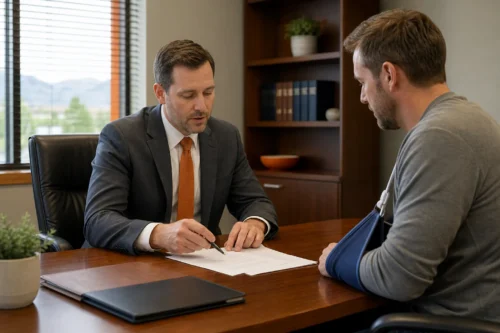
A settlement offer can feel like relief when bills are due. Before you accept, have a Utah personal injury lawyer review the offer and release.
At LeBaron & Jensen, P.C., we evaluate the claim, gather proof, and handle insurance discussions. Our goal is a fair settlement that addresses your losses.
Our fee structure is stated plainly. The firm reports that it charges one third of the total settlement amount. It also reports that the fee stays the same if a case goes to litigation, mediation, or arbitration. Confirm the current agreement and case costs before representation begins.
Personal injury representation commonly uses a contingency fee. That means the lawyer’s fee depends on recovery. The written agreement should explain the fee, expenses, liens, and what happens if there is no recovery.
Ask a lawyer to review more than the dollar figure. The release may end your right to seek payment for later treatment. It may also address vehicle damage, medical liens, insurance claims, or other parties.
Utah time limits also matter. The applicable time limit may depend on the claim and circumstances; review the relevant Utah law. Claims involving a government body or special facts may have different notice rules.
Don’t wait for the deadline to get close. Evidence work takes time, and medical treatment may continue for months.
LeBaron & Jensen, P.C. prepares each case as if trial may be needed, while seeking settlement when that serves the client’s interests. You can begin with a free case evaluation and learn what your next step should be.
Get advice before signing. Once a release is signed, changing course can be difficult.
FAQ: Personal Injury Claims After a Hit and Run
Can I file a personal injury claim if the hit-and-run driver was never found?
Yes, you may file through your own uninsured motorist coverage if your policy applies. A personal injury claim after a hit and run still needs proof of the crash, your injuries, and your losses. Prompt reporting matters. So do medical records, witness information, photos, and compliance with policy deadlines.
What insurance pays for a hit and run injury in Utah?
Applicable coverage for injuries caused by an unknown driver may pay when the driver remains unknown. Your policy controls the limits and conditions. Medical bills may be paid while the injury claim continues. Don’t assume one policy covers every loss. Have the policy and any settlement offer reviewed before you agree.
How long do I have to file after a hit and run in Utah?
Utah’s general limit for an action involving personal injury is three years, but exceptions can change the deadline. Claims against a government entity may require earlier notice. Insurance policies can set separate notice rules. Start the review soon after the crash, rather than relying on the last day.
Should I accept the first settlement offer after a hit and run?
You should not accept the first offer until you know the full value of your injuries and the release terms. An early offer may arrive before treatment ends. It may also omit future care, lost income, or pain and suffering. A lawyer can compare the offer with your records and coverage.
Do I need a lawyer for a hit and run injury claim?
You can report a claim yourself, but legal help may be useful when the driver is unknown, injuries are serious, or the insurer disputes coverage. A lawyer can review the policy, preserve evidence, value damages, and negotiate. LeBaron & Jensen, P.C. can evaluate your situation before you decide.
Conclusion
Report the crash, get medical care, preserve proof, and review uninsured motorist coverage before settlement talks move too far. If you were hurt, contact LeBaron & Jensen, P.C. for a case evaluation before signing a release. We understand how stressful this can be, and we can help you protect your chance at fair compensation.