

Table of Contents
A deposition can feel like a trial before the trial. You will answer questions under oath, and your words may affect settlement talks or future testimony. The common Utah checklist focuses on six accident questions, but injury cases usually cover much more. We explain what to expect, how to prepare, and how LeBaron & Jensen, P.C. can help take the stress off your plate.
Step 1: Understand What a Utah Personal Injury Deposition Is
Personal injury deposition questions in Utah are part of the discovery process. Discovery lets both sides gather facts before trial. A deposition is a formal question-and-answer session where you answer under oath while a court reporter records your words.
A deposition is different from a casual interview. Your answer may appear in a transcript later. The other lawyer may compare it with your medical records, accident report, written answers, photographs, and testimony from other witnesses.
In legal terms, a deposition is sworn testimony taken before trial. Wikipedia’s explanation of legal depositions describes the basic function of this process and why the record can matter later.
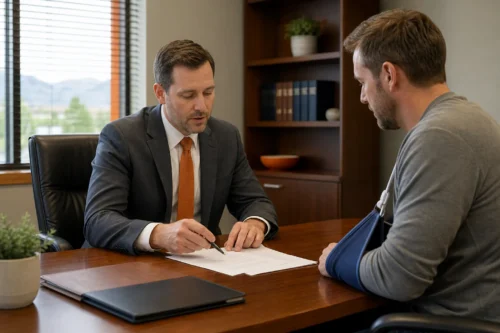
Usually, your lawyer attends with you. The opposing lawyer asks most questions. A court reporter records the spoken words. Your lawyer may object to a question, but you may still need to answer unless your lawyer tells you not to respond.
The format may be in person or by video. Ask your lawyer where you should sit, what documents you may have nearby, and how breaks will work. A video deposition still carries the same duty to tell the truth.
The deposition does not decide who wins your case. It does give the other side a chance to test your account. The information may later shape settlement discussions, motions, or trial strategy.
At LeBaron & Jensen, P.C., we prepare clients for the process before they enter the room. You can focus on the case facts without memorizing a script. Your goal is simple: answer truthfully, listen closely, and stay calm.
Step 2: Gather the Facts and Records You May Be Asked About
Personal injury deposition questions in Utah often begin with the accident. But the questioning may also reach your health, work, treatment, and daily life. Start by building a clean fact file before your preparation meeting.
Write down what you remember in your own words. Do not try to fill gaps by guessing. Mark facts you know from memory, facts shown by a record, and facts you cannot recall.
Build an accident timeline
Put the events in order. Note what happened before the incident, the incident itself, and the first few hours afterward. Include where you were, what you saw, who was present, and how you reported the event.
For a car crash, you may review the crash report, photographs, insurance records, vehicle damage, and messages from that day as you prepare for car accident deposition questions in Utah. For a fall or dog bite, the key records may look different. Keep the focus on what you know.
Gather records without studying them like a test
Your lawyer may review:
- Medical records and bills.
- Work records related to missed time.
- Insurance correspondence.
- Photos or videos of the scene.
- Prior claims or injuries involving the same body part.
- Names of people who saw the event or its immediate aftermath.
Bring questions about records to your lawyer. Do not change your treatment story to match a document. If a date seems wrong, say that you need to check the record. A small mistake is easier to address than a confident answer that later proves false.

Medical history deserves care. A prior condition does not automatically defeat a claim. The issue may be whether the incident caused a new injury or made an older condition worse. Tell your lawyer about prior treatment so the case team can prepare for those questions.
We also suggest making a short list of daily changes. Think about stairs, sleep, driving, work tasks, family duties, or hobbies. Specific examples help explain the effect of an injury better than a broad statement such as “everything changed.”
LeBaron & Jensen, P.C. can help organize the records around the legal issues in your claim. That preparation lets you focus on the question in front of you.
Step 3: Practice Common Personal Injury Deposition Questions
The main set of personal injury deposition questions in Utah found in our review contains six accident topics. Each one aims to examine causation, meaning how the event led to the injury. That narrow list is useful, but it should not become your whole study plan.
| Question area | What the lawyer may ask | How to prepare |
|---|---|---|
| What happened | Describe the event in order. | Use facts you recall. Separate what you saw from what someone told you. |
| Where it happened | Identify the place, lane, room, or position. | Review photos or a map if location affects the event. |
| Who was present | Name people who saw the event or arrived soon after. | Say when you learned a person’s name if you are unsure. |
| What you experienced | Explain what you felt, saw, heard, or noticed. | Describe your own experience without guessing about another person’s thoughts. |
| What happened afterward | Discuss your first actions, symptoms, and conversations. | Use a timeline. Say when your memory becomes uncertain. |
| Whether you reported it | Identify reports to police, a business, an insurer, or another person. | Review the report before the deposition if your lawyer provides it. |
Expect questions outside that six-part list. Lawyers commonly ask about your background, prior injuries, medical care, work limits, pain, household tasks, and emotional effects. They may ask what doctors you saw or why you missed an appointment.
They may also ask about your claimed damages. Damages are losses tied to the injury. They can include medical costs, lost income, pain, and limits on daily activities. Give examples that show what changed.
Practice with your lawyer, not with a friend who wants to help you sound polished. A rehearsed answer can sound forced. Preparation should help you listen and recall facts, not make you recite a speech.
At LeBaron & Jensen, P.C., we use practice questions to find unclear dates, missing records, and topics that may surprise you. That gives us time to address problems before the deposition.
Step 4: Learn How to Answer Clearly Without Guessing or Overexplaining
Good answers to personal injury deposition questions in Utah are truthful, complete, and brief. You do not need to provide every thought that comes to mind. Answer the question asked, then stop.
Use a simple answer method
- Listen to the full question.
- Pause long enough to understand it.
- Answer only what the question asks.
- Stop when the answer is complete.
Do not guess at a speed, distance, date, diagnosis, or dosage.
If you make a mistake, correct it as soon as you notice it. Do not argue with the opposing lawyer. Stay respectful even when a question feels unfair or repetitive.
A lawyer may ask a question that contains an incorrect assumption. You can correct the premise in your answer and explain the fact you know.
Objections may happen during the deposition. Procedural background may be useful, but your lawyer will explain the Utah procedure that applies to your case.
Your conduct matters along with your words. Sit still when possible. Take a breath before answering. If you need a break, ask for one. Do not whisper with your lawyer while a question is pending.
The other side may assess whether a jury would find you believable. That does not mean you must appear cheerful. It means your account should stay consistent, honest, and measured.
Step 5: Handle Difficult Questions and Protect Your Case
Hard personal injury deposition questions in Utah often involve gaps, prior conditions, social media, or facts that feel embarrassing. Difficult does not mean dangerous. The safest response is usually a truthful answer with careful limits.
Prior injuries and medical history
Do not hide an earlier injury. Explain what happened before the current event, what treatment you received, and how your condition changed afterward. If you do not know a medical term, say so. You can describe what you felt instead.
Gaps in treatment
The other side may ask why you missed an appointment or waited before seeking care. Give the actual reason. You may have lacked transport, thought the pain would improve, faced a work problem, or misunderstood an appointment. Do not invent a better explanation.
Prior claims and inconsistent statements
A lawyer may compare your deposition with an insurance form or earlier statement. Read the question closely before agreeing that two statements conflict. Sometimes the documents use different words for the same event. Sometimes they reveal a mistake that needs a clear correction.
Social media and daily activity
Photos or posts may raise questions about what you could do after the injury. A picture does not always show the full day, the pain afterward, or the help you needed. Explain the setting accurately. Do not delete relevant material after your case begins without asking your lawyer.
Ask for a break if you feel overwhelmed. A break does not give you permission to change your story. It gives you time to rest, collect your thoughts, and return ready to listen.
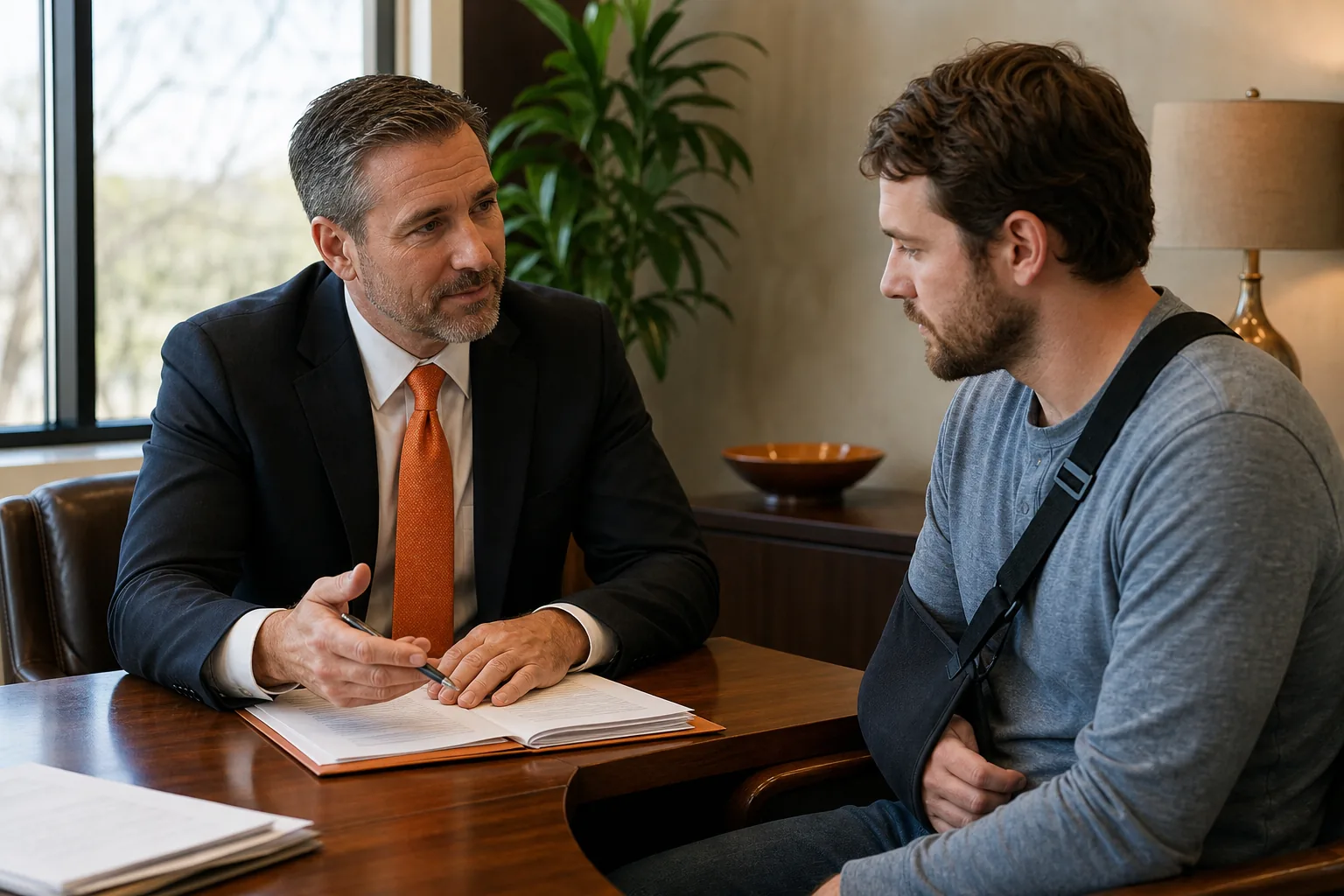
Stress can affect sleep, focus, and memory. A general emotional-support resource may help families understand how to offer care during a hard legal process. It is not a substitute for medical or legal advice, but emotional support can make preparation less isolating.
We also tell clients not to discuss the substance of their testimony with other witnesses. Follow your lawyer’s instructions about documents and communications. If you receive a new request from the opposing side, send it to your legal team rather than responding on your own.
Utah personal injury cases may settle after the deposition, proceed to mediation, or continue toward trial. A transcript can influence how the other side views liability and damages. The deposition is one stage, not the entire case.
FAQ: Personal Injury Deposition Questions in Utah
What questions are asked in a personal injury deposition?
Personal injury deposition questions in Utah usually cover the accident, location, witnesses, what you experienced, what happened afterward, and whether you reported it. Lawyers may also ask about your background, medical history, treatment, work limits, pain, and daily activities. Your lawyer should review the likely subjects before the deposition.
Do I have to answer every deposition question?
You generally must answer relevant questions, but you should not guess or respond to an unclear question. Your lawyer may object and may instruct you not to answer in limited situations. Pause before responding, then follow your lawyer’s direction.
What if I cannot recall what happened?
Be candid when your memory is incomplete. Do not fill a memory gap with a guess. You can explain what you recall, such as where you were or what you learned later. A careful answer is safer than a confident detail that records contradict.
Can a deposition hurt my personal injury case?
A deposition can create problems if your answers are false, inconsistent, or needlessly broad. It can also help your case by giving a clear account of the injury and its effects. Preparation with LeBaron & Jensen, P.C. can help you understand the questions and avoid preventable mistakes.
How should I prepare for a Utah injury deposition?
Review the accident timeline with your lawyer, refresh your memory with relevant records, and discuss prior injuries or treatment gaps. Practice listening before answering. Do not memorize a script. Your preparation should help you tell the truth in a calm and clear way.
Conclusion
Take the deposition seriously, but do not face it alone. Gather your records, review the timeline, and meet with a Utah injury lawyer before the questioning begins. LeBaron & Jensen, P.C. can help you prepare for the likely questions and protect your path toward a fair settlement. Get started by arranging a case review before your deposition date.