
Table of Contents
- What should I do immediately after a motorcycle accident?
- Do I have to report a motorcycle accident in Utah?
- Should I see a doctor after a motorcycle crash if I feel fine?
- What should I tell the insurance company after a motorcycle accident?
- How long do I have to file a motorcycle accident claim in Utah?
- When should I contact LeBaron & Jensen, P.C.?
A motorcycle crash can leave you hurt, shaken, and unsure what comes next. Your first job is safety, not paperwork. After that, each step can help protect your health and your personal injury claim.
Step 1: Get to Safety and Call 911
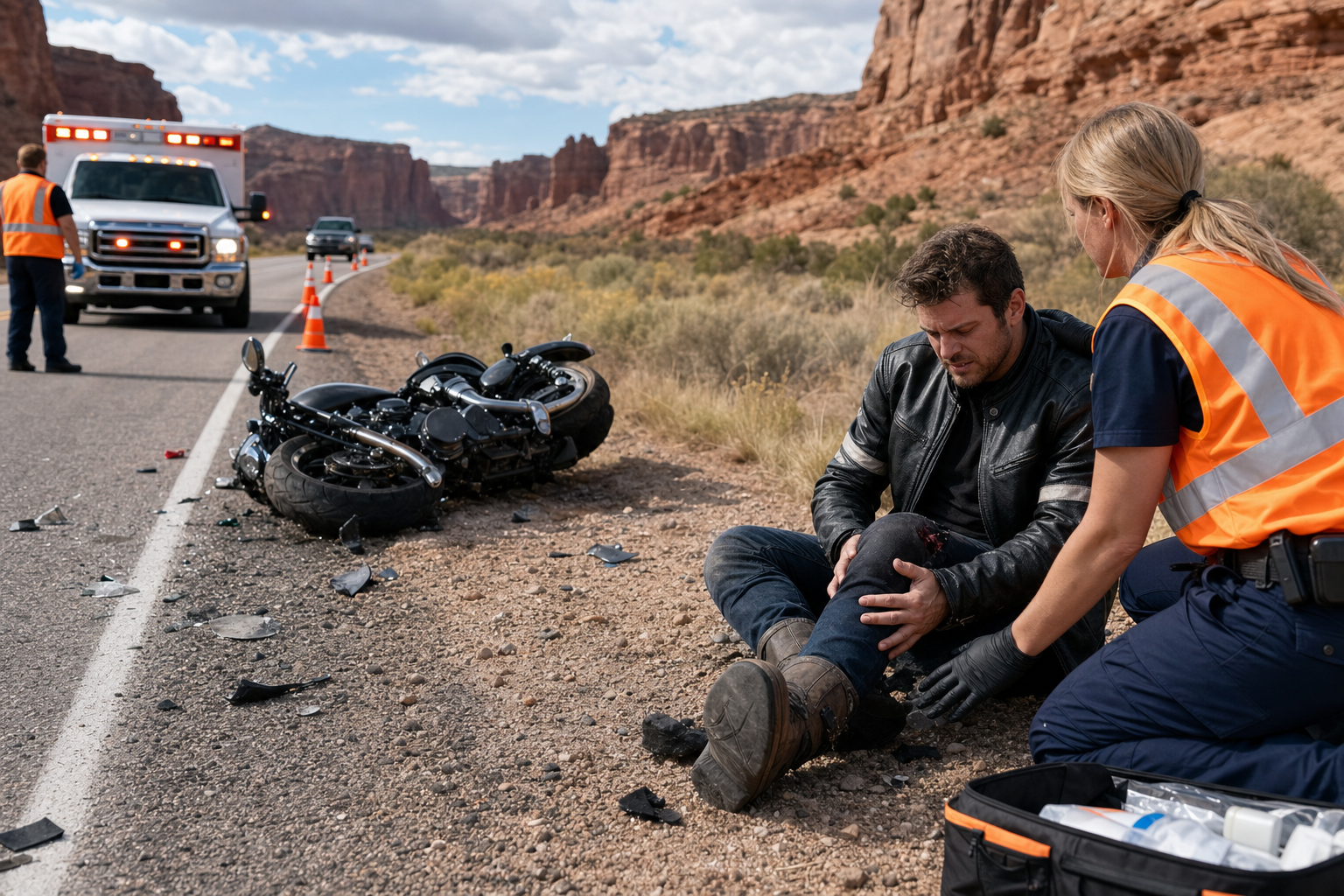
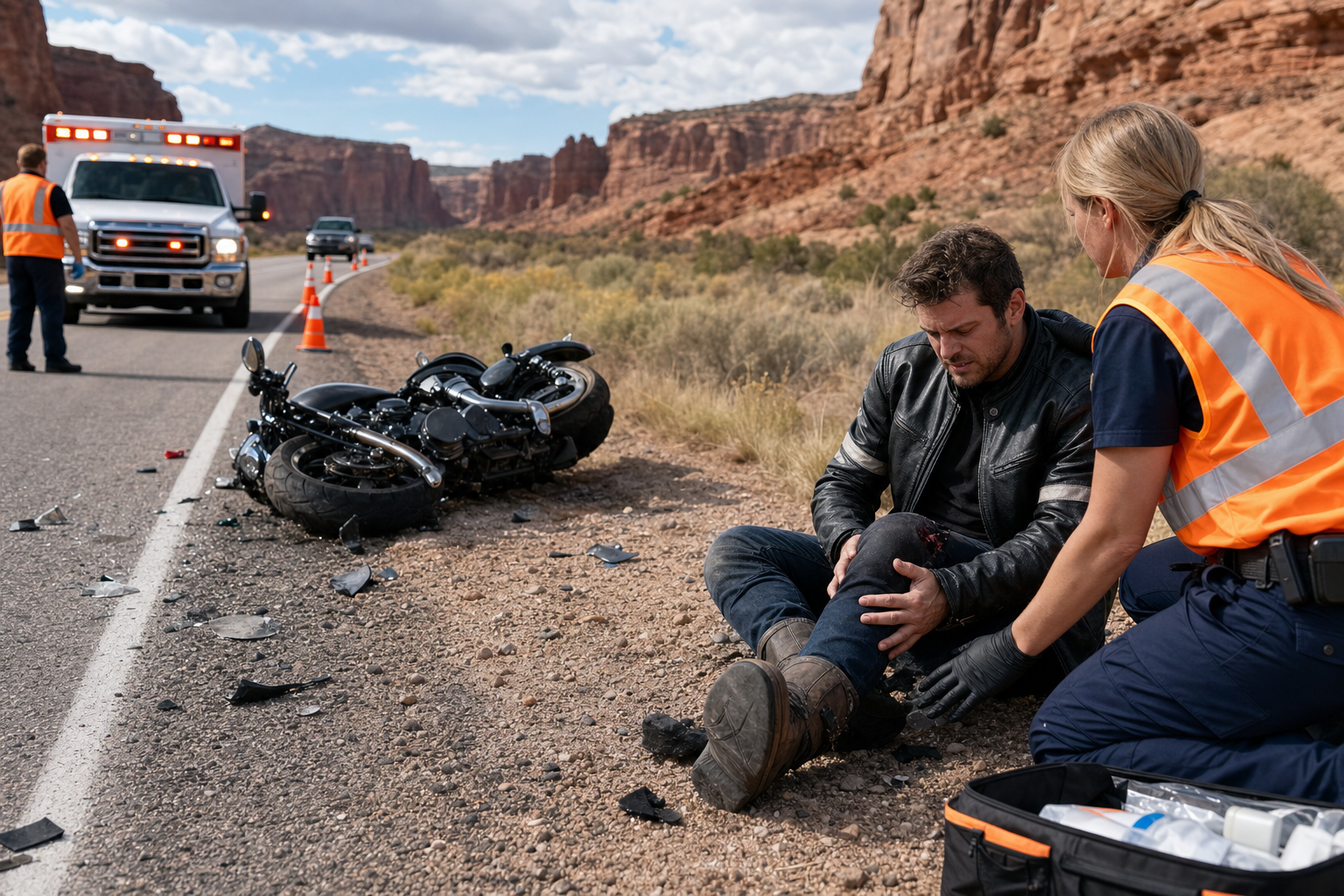
After a motorcycle accident, move away from traffic if you can do so safely. Get behind a barrier or onto the shoulder. Don’t try to lift your motorcycle if you’re badly hurt.
Check yourself first. Then look for other injured people. If anyone has trouble breathing, heavy bleeding, severe pain, confusion, or loss of consciousness, tell the dispatcher right away.
Call 911 even when the crash seems minor. Emergency workers can treat urgent injuries and help control traffic around the wreck. A police report also creates an early record of what happened.
You may not know the full damage at the scene, though. That is one reason a universal emergency call is the safer rule.
Don’t leave before law enforcement says you may go, unless you need emergency transport. If you must leave for treatment, tell an officer or paramedic where you’re going.
Motorcycle riders face added risk after a fall because passing traffic may not see them. General motorcycle safety guidance stresses visibility and protective habits because riders lack the protection found inside a passenger vehicle.
Give the dispatcher the road name, direction of travel, nearest landmark, and number of injured people. Stay as calm as you can. Short, clear facts help responders find you faster.
Don’t argue with the other driver. Don’t guess about speed or fault. Tell the officer what you remember, and say when you don’t remember a detail.
Step 2: Document the Motorcycle Crash Scene
Once you’re safe, document the crash before vehicles move if you can. This is a key part of what to do after a motorcycle accident because skid marks, road debris, vehicle positions, and traffic signs can change quickly.
Use your phone to take wide shots first. Show the full road, nearby lanes, intersections, traffic signals, weather, and road surface. Then take closer photos of the motorcycle, the other vehicle, visible damage, torn clothing, and your injuries.
Take more photos than you think you’ll need. A close shot may show a dent, but a wide shot can show where the vehicles stood in relation to each other. Include fixed points such as curbs, poles, lane lines, or buildings.
Don’t put yourself in traffic for a better picture. Don’t touch debris or move parts unless a responder tells you to do so. Your safety still comes first.
Write down what you remember
As soon as you can, write a short account in your own words. Include where you were going, what lane you used, what you saw before impact, and what happened right after it.
Note the time, road conditions, lighting, and whether traffic was stopped or moving. Record anything you heard, such as a horn, tire screech, or impact. Memory can shift after trauma, so write down facts before they blur.
Don’t edit the account to make it sound better. If you aren’t sure about a detail, mark it as uncertain. A truthful account is more useful than a polished one.
Find witnesses without pressuring them
Ask witnesses for their names and contact details. If they agree, ask what they saw in their own words. Don’t tell them what they should say.
Look for nearby businesses or homes with cameras. Tell the police where cameras may exist. Video systems often overwrite old footage, so early notice may help preserve it.
Save the original photos and videos. Don’t crop or filter them. Back them up somewhere safe, then keep the originals on your device.
Keep damaged gear. A helmet, jacket, gloves, boots, and other riding gear may help show how the crash affected you. Don’t repair or discard anything until you have photographed it and discussed it with your lawyer or insurer.
If the motorcycle is towed, find out where it went. Ask the storage yard not to repair or release it before the damage is inspected. Storage charges can grow, so deal with that issue promptly.
Step 3: Exchange Information and Report the Accident
Exchange information only after you are safe. This part of what to do after a motorcycle accident helps identify the people, vehicles, and insurance policies tied to the claim.
Get the other driver’s full name, address, phone number, driver’s license details, insurance company, policy information, license plate, and vehicle description. A photo of the insurance card can reduce errors.
Give your information when asked. Keep the conversation brief. Don’t discuss who caused the crash, how fast anyone was going, or whether you feel fine.
If the other driver refuses to share details, don’t fight with them. Wait for law enforcement. Tell the officer what happened and record the vehicle plate if you can do so without risk.
Ask witnesses for their contact information. You may also want the name or identification number of the responding officer. Later, request the police report through the proper agency.
Traffic rules cover a driver’s duties after a crash, including stopping and providing information in the required situations. You can review more information here. The exact facts matter, so don’t assume a small-looking crash has no legal effect.
Report the crash promptly
Tell law enforcement what happened as soon as possible. A report can record the scene, witness names, statements, visible injuries, and apparent damage.
In Utah, the legal trigger for a required report involves injury, death, or property damage above the statutory threshold. The amount may not be clear at the scene, especially when a motorcycle has hidden frame or mechanical damage.
Don’t wait several days because pain has not started. Some injuries take time to show. A delayed report may also leave fewer records and fewer witnesses.
Notify your own insurer according to your policy. Give basic facts about the crash, but avoid a recorded statement about fault or your full medical history before you understand your rights. An insurer may ask for details that sound routine but affect how it views the claim.
Keep every claim number, email, letter, estimate, and message. Create one folder for crash records. A simple file can prevent missed requests when you are dealing with pain.
Step 4: Get Medical Care and Track Your Injuries
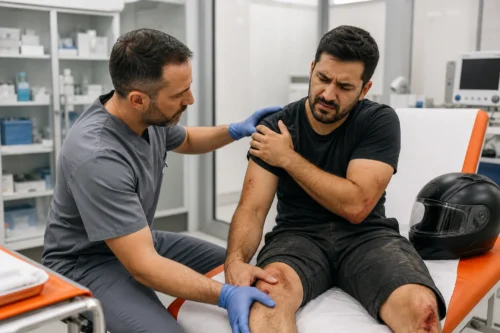
Seek medical care as soon as you can, even if you think your injuries are minor. Adrenaline can mask pain after a motorcycle crash, and some symptoms appear later.
Let emergency workers examine you at the scene. Follow their advice about transport. If they tell you to go to an emergency department, don’t decline because you want to get home.
If you don’t need emergency transport, arrange prompt care with a medical professional. Tell the provider that a motorcycle crash caused the symptoms. Explain every area that hurts, even if the pain seems small.
Be clear about symptoms such as headache, dizziness, numbness, neck pain, back pain, weakness, trouble sleeping, or confusion. A head injury may not leave a visible mark. Seek urgent help if symptoms worsen or new symptoms appear.
Follow the care plan. Take prescribed medicine as directed. Attend follow-up visits. Ask questions when you don’t understand a restriction or treatment step.
Keep a daily injury log. Note your pain level, sleep, mobility, missed work, household tasks you cannot do, and changes in mood or focus. These notes help your doctor see patterns. They also preserve details that may be hard to recall later.
Save your medical and wage records
Keep copies of bills, medical notes, prescriptions, test results, mileage, and work restrictions. Save receipts for medical equipment, rides, and other crash-related costs.
Ask your employer to record missed time and lost pay. If you are self-employed, save canceled work, invoices, and other records that show the financial effect.
Don’t stop treatment without medical advice. Gaps can make care harder, especially when pain returns after a short break. If cost blocks treatment, tell the provider and your lawyer. There may be lawful ways to address billing, but don’t ignore the injury.
Your records should describe how the crash affects daily life. Can you climb stairs? Can you drive? Can you lift a child or work a normal shift? These details give a clearer picture than a single pain score.
Road rash deserves care too. Clean treatment can help reduce infection risk, while deeper wounds may need more involved care. Don’t remove dressings or change treatment without guidance from a medical professional.
Medical care protects your health first. It also links the injury to the crash through records made close to the event. That link can matter when an insurer questions when or how an injury began.
Step 5: Protect Your Claim and Speak With a Utah Motorcycle Accident Lawyer
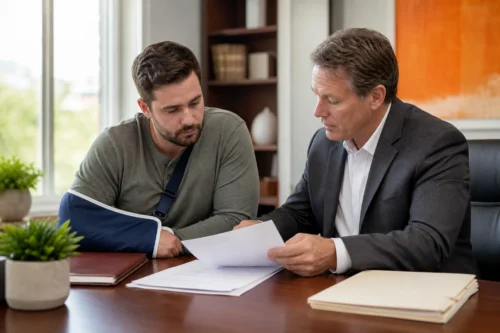
Insurance issues can become stressful fast. A Utah motorcycle accident lawyer can help you protect evidence, review coverage, and respond to requests while you focus on healing.
Don’t post crash details on social media. Photos, comments, check-ins, or claims that you feel fine can be taken out of context. Set your accounts to private, but remember that privacy settings don’t guarantee that a post stays private.
Don’t give a recorded statement or sign a broad medical release without legal advice. You should report the crash to your insurer as required by your policy. That does not mean you must answer every question before you understand the purpose and scope.
Don’t accept a quick settlement before you know the full cost of your injuries. A first offer may account for an initial bill but leave out future care, lost income, pain, permanent limits, or motorcycle damage.
Negligence means a failure to use reasonable care. In a motorcycle case, the facts may include a driver’s turn, lane change, speed, distraction, or failure to see you. The other side may also argue that your conduct contributed to the crash. Evidence matters more than assumptions.
What a lawyer can review
When you meet with LeBaron & Jensen, P.C., bring the police report if you have it. Bring photos, medical records, insurance letters, wage records, witness details, and the names of people who contacted you.
We can help organize the timeline and identify gaps. We can also examine the available facts before you make major statements or settlement decisions. That early review can take the stress off your plate.
We understand how devastating a motorcycle crash can be. Our role is to explain the claim in plain language and help you assess the next step. A fair settlement should account for the harm supported by the evidence, not just the first invoice.
Utah has a time limit for filing many personal injury lawsuits. Research for this topic identifies a four-year period for a typical personal injury claim, but exceptions may change the deadline. Don’t use that period as a reason to wait. Evidence fades long before a filing deadline arrives.
If the crash caused a death, the family may face a wrongful death claim with different rules. If the rider cannot manage the case, a family member may need to help with records and decisions. Those situations call for legal advice early.
Property damage needs attention too. Ask for a full inspection of the motorcycle, not only a list of visible parts. If the insurer declares it a total loss, reviewing the motorcycle’s value may help you understand the insurer’s calculation before you respond. It isn’t a substitute for a lawyer or an independent valuation.
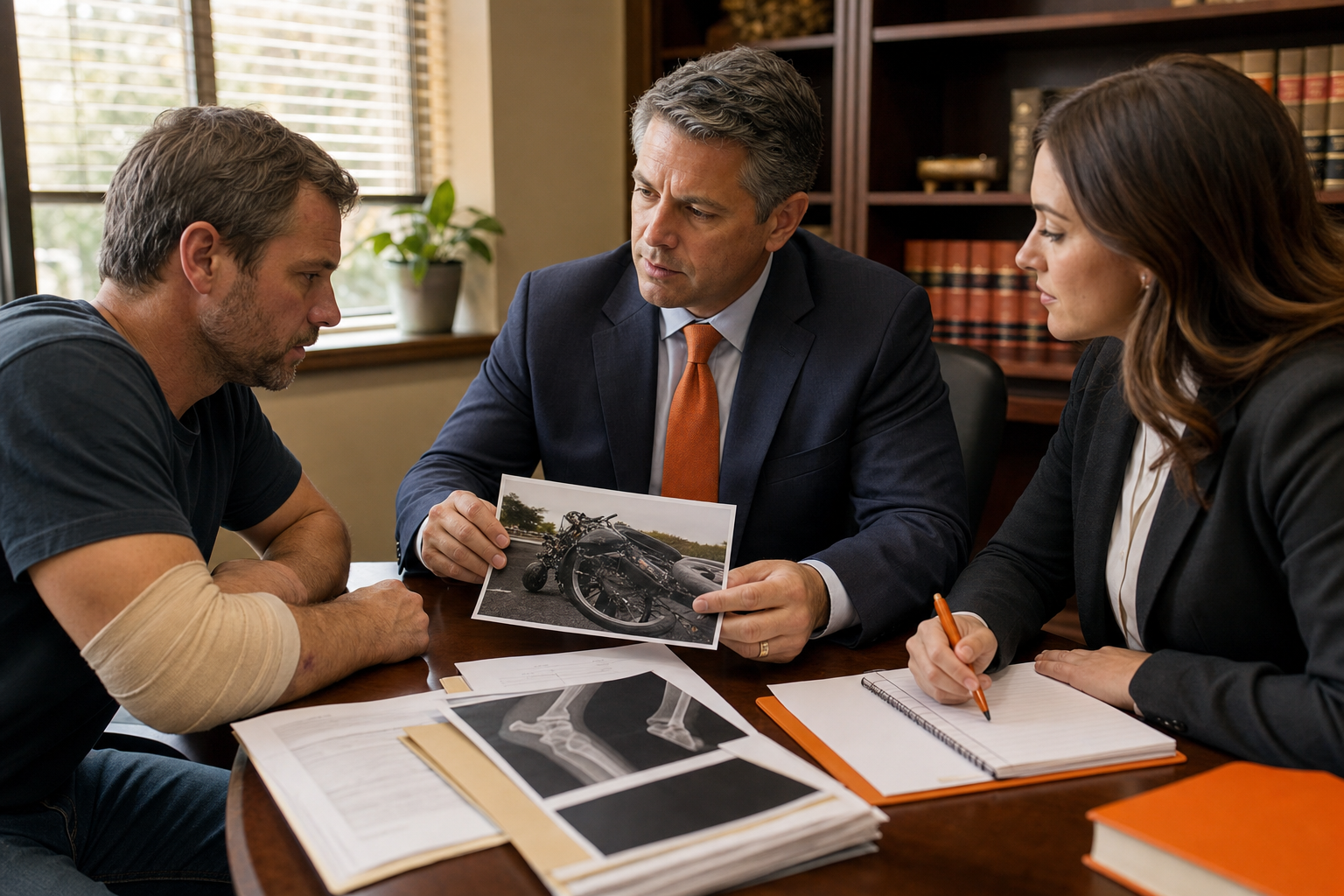
LeBaron & Jensen, P.C. works with Utah individuals who need help after accidents and in related civil matters. If you are unsure whether you have a claim, a consultation can help you understand the process before you make a major decision.
Frequently Asked Questions
What should I do immediately after a motorcycle accident?
Move to safety and call 911 immediately after a motorcycle accident. Accept medical help, remain at the scene when safe, and avoid discussing fault. Once emergency needs are handled, photograph the scene, exchange information, identify witnesses, and report the crash. Write down what happened while your memory is still fresh.
Do I have to report a motorcycle accident in Utah?
Utah generally requires a report when a crash causes injury, death, or property damage above the legal threshold. Because damage may be hard to judge at the scene, calling 911 remains the safest choice. An officer can assess the situation and make the required report when the facts call for one.
Should I see a doctor after a motorcycle crash if I feel fine?
Yes, you should seek medical care after a motorcycle crash even if you feel fine. Adrenaline can hide pain, and symptoms may appear later. A medical exam protects your health and creates a record that connects any diagnosed injury to the crash. Follow the provider’s advice and track changes in your symptoms.
What should I tell the insurance company after a motorcycle accident?
Tell your insurer that a crash occurred and provide basic facts required by your policy. Avoid guessing about fault or giving a recorded statement before getting advice. Don’t sign a broad release or accept a settlement while your medical condition remains unclear. A Utah injury lawyer can review the request first.
How long do I have to file a motorcycle accident claim in Utah?
Many Utah personal injury lawsuits have a four-year filing period, but the deadline can change based on the parties and facts. Insurance claims may have separate notice rules. Speak with a lawyer soon after the crash because witness evidence and video can disappear well before the lawsuit deadline.
When should I contact LeBaron & Jensen, P.C.?
Contact LeBaron & Jensen, P.C. as soon as you can manage after a serious motorcycle crash. Early legal guidance can help preserve evidence and reduce risky statements to insurers. Bring your records if possible, but don’t delay contact while you gather every document. We can explain what to collect next.
Conclusion
Put safety and medical care first, then preserve the facts before they disappear. If another driver’s negligence may have caused your injuries, contact LeBaron & Jensen, P.C. for a clear review of your options. You can also read our Utah motorcycle accident legal guidance as your next step.