


Table of Contents
A Utah car accident lawsuit can cost more than the court filing fee if you miss a deadline or file in the wrong court. We’ll show you how to check the right court, confirm the current fee, request a waiver, and prepare your complaint.
We’ll also explain costs that may arise after filing. If an insurance claim has stalled, Utah auto accident attorneys at LeBaron & Jensen, P.C. can help you weigh your options before you pay court costs.
Step 1: Confirm Whether You Need to File a Utah Lawsuit
The first step is deciding if a lawsuit is needed at all. Many car accident cases end through an insurance claim or settlement demand.
Start by checking whether the other driver’s insurer has accepted fault. Review the offer with care. A quick payment may not cover future treatment, lost income, or the full effect of a lasting injury.
Utah’s no-fault insurance rules also affect when you can seek damages from the at-fault driver. In many cases, you must first meet the state’s threshold for bringing a tort claim. That threshold may involve at least $3,000 in medical expenses or a serious injury. The facts of your injury matter.
Do not sign a release before you know what it covers. A release may end your claim even if new symptoms appear later. Keep copies of the crash report, medical records, bills, wage records, photos, and all insurer messages.
Utah also has a filing deadline. Utah Code generally gives three years for many personal injury actions, though exceptions can change the time limit. Claims involving a government body can have special notice rules and shorter deadlines. Read the Utah statute of limitations for personal injury actions before relying on a date.
That deadline is only one part of the analysis. Fault can reduce what you recover. Utah uses modified comparative fault, which means your award may fall based on your share of responsibility. If your fault reaches the legal cutoff, recovery may be barred.
We recommend getting a case review when injuries are serious, fault is disputed, or the insurer asks for a broad statement. LeBaron & Jensen, P.C. can assess the claim before you spend money on a court filing. Our team can also help preserve evidence while it still exists.
Before moving on, gather:
- The crash report and insurance information.
- Medical records, bills, and treatment dates.
- Proof of missed work or reduced income.
- Photos, witness details, and vehicle repair records.
- Every settlement offer and written message from the insurer.

Step 2: Identify the Correct Utah Court and Filing Fee
The court you choose affects the filing process and the fee. A Utah car accident lawsuit usually belongs in a court with authority over the claim and the people involved.
Justice courts handle certain lower-value civil claims. District courts handle larger civil actions and cases outside justice court limits. The amount you seek is one factor. The defendant’s location and where the crash happened may also affect venue.
Do not pick a court based only on convenience. A clerk may reject a filing that belongs elsewhere, or the defendant may challenge venue later. If you file through an attorney, we check these issues before submitting the complaint.
Utah court fees can change. The current amount may depend on the court level, the case type, and later requests. The safest way to estimate the car accident lawsuit filing fee in Utah is to check the current fee schedule or ask the clerk for the exact amount due on the filing date.
| Filing situation | What to confirm | Common mistake to avoid |
|---|---|---|
| Justice court civil case | Jurisdiction limit, venue, and current civil filing fee | Filing a claim above the court’s authority |
| District court civil case | Amount in controversy, county, summons process, and current fee | Using a justice court form for a district court case |
| Multiple defendants | Correct names, service addresses, and any added filing charge | Leaving out a potentially responsible party |
| Fee waiver request | Approved waiver form, financial proof, and judge review | Assuming the waiver is automatic |
| Amended complaint or later motion | Whether another fee applies to that filing | Budgeting only for the first submission |
Ask the clerk what payment methods the court accepts. Also ask whether electronic filing is required or available for your case type. Keep the receipt and the case number after filing.
Some fees arise later. You may pay for service of process, transcripts, or copies of records. A court clerk can tell you which charges apply to your next step.
If the amount feels uncertain, don’t guess. LeBaron & Jensen, P.C. can review the claim, court choice, and expected filing costs with you before litigation starts. That early review can prevent a costly restart.
One more point matters. The court filing fee is separate from an attorney’s fee. A lawyer may work under a contingency agreement, while court expenses are handled under the written contract. Read both parts.
Step 3: Check Whether You Qualify for a Court Fee Waiver
A fee waiver may let an eligible person file without paying some court costs at the start. It does not erase the need to file the correct case papers.
The court may review your income, household resources, public benefits, and necessary expenses. The court may ask for documents that support your request. Gather recent pay information, benefit notices, rent or mortgage details, utility bills, medical costs, and other regular expenses.
Use the current waiver form for the court where you plan to file. Complete every answer. If a question does not apply, write that it does not apply rather than leaving it blank.
Be accurate. A waiver request is a sworn financial statement. The judge may approve it, deny it, or ask for more information. Approval can also cover some costs but not every expense connected to the lawsuit.
Service fees deserve special attention. Even if the court waives a filing fee, you may need a plan for serving the defendant. Ask the clerk which charges the order covers.
Government-related claims require extra care. Special notice steps may apply before filing, and a waiver does not extend the deadline. Speak with a lawyer quickly if a city, county, state agency, or public employee may be involved.
We understand that money worries can make an injury claim feel impossible. Our team can explain what a fee waiver may cover and how a contingency agreement differs from a court waiver. The written terms should state who advances costs and when repayment is due.
Pro Tip: Make one folder for the waiver request and one for the injury claim. Mixing financial records with medical records makes missing details more likely.
A denied waiver does not always end the case. It may mean you must pay the fee, revise the request, or ask the court for further instructions. Follow the order you receive.
Step 4: Prepare and File the Car Accident Complaint
The complaint starts the lawsuit. It tells the court what happened, why the defendant is legally responsible, and what relief you seek.
Begin with the correct court caption. Use the parties’ legal names when known. Include the case type, the basis for jurisdiction, and the facts that support negligence. Negligence means the defendant failed to use reasonable care and caused harm.
Keep the facts clear and chronological. State when and where the crash happened. Explain what the defendant did or failed to do. Then connect that conduct to your injuries and losses.
A complaint may include claims for medical costs, lost wages, property damage, pain, and other losses supported by the facts. Avoid guessing at damages. Your lawyer can explain which claims fit the evidence and Utah law.
Attach only documents the rules or court form require. A complaint usually does not need every medical record at filing. Keep the full evidence file ready for later discovery, which is the formal exchange of information between parties.
Review names and addresses twice. A wrong defendant name can cause service problems. A missing address can delay the case before the defendant even receives notice.
After the court accepts the complaint, obtain the summons. The defendant must receive proper service. Filing alone does not replace service. The court sets rules for who may serve papers and how proof of service must be filed.
Electronic filing can reduce delays, but it does not fix a weak complaint. Check that each uploaded document opens and that the payment or waiver request is attached to the right case.
We often see people focus on the filing fee and overlook service. That mistake can cost time. LeBaron & Jensen, P.C. can prepare the pleadings, track service, and handle the next court deadlines while you focus on treatment.
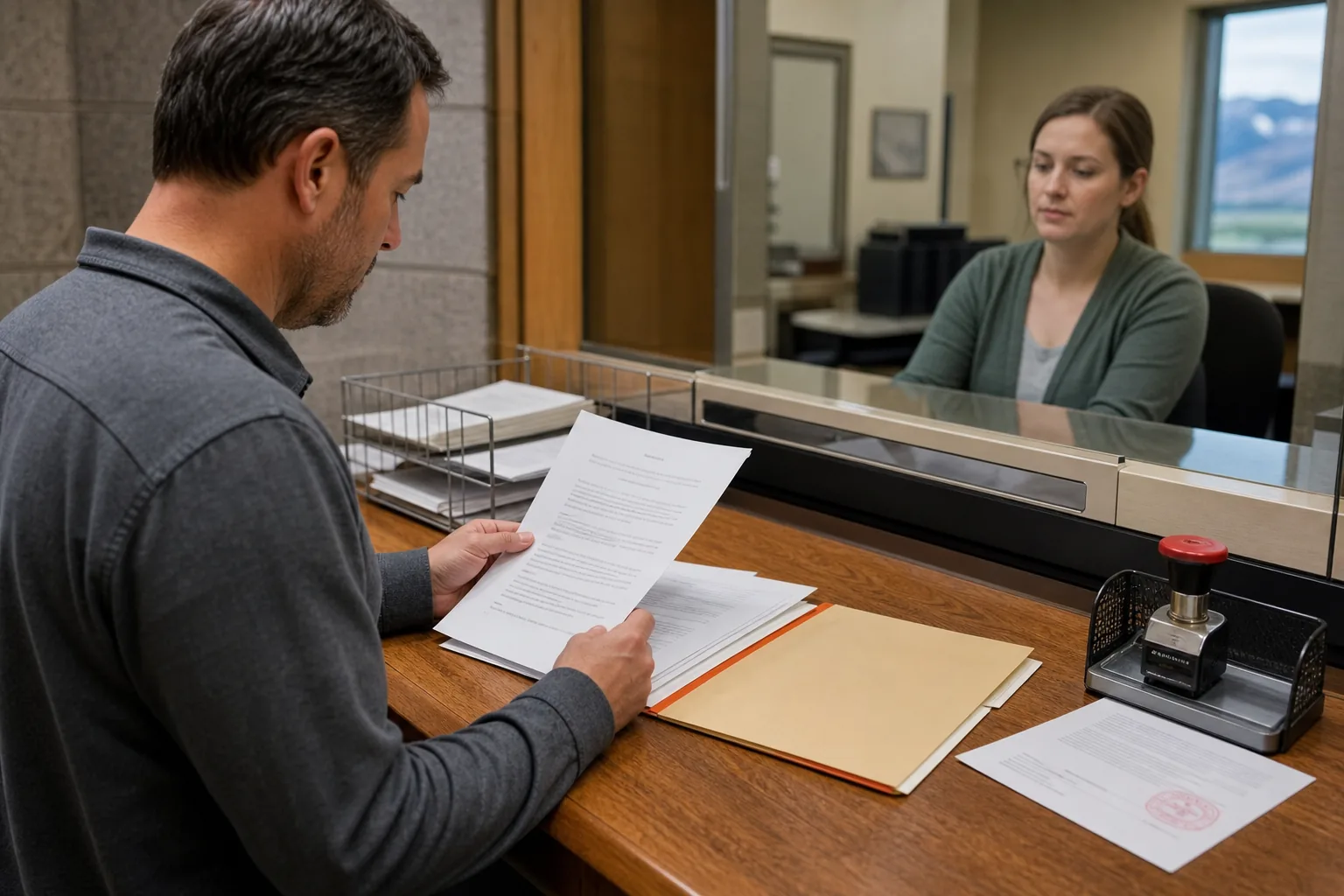
Save the filed copy, receipt, case number, and service proof in one place. You’ll need them for every later step.
Step 5: Budget for Costs Beyond the Utah Car Accident Lawsuit Filing Fee
The court filing fee is only one possible cost. A lawsuit can also involve service, records, depositions, expert review, and transcripts.
Ask for a written cost plan before filing. It should explain whether the firm advances expenses, when repayment is due, and whether costs come out before or after the attorney’s percentage.
Contingency fees usually mean the attorney receives a percentage of a settlement or verdict instead of an upfront hourly payment. The percentage can change if the case reaches litigation. Some firms use one percentage at every stage. Others use separate rates.
LeBaron & Jensen, P.C. states that it keeps its fee at one third of the total settlement amount, even if the case goes to litigation. Read the agreement closely because the contract controls the fee and expense terms.
Ask these questions before signing:
- What percentage applies if the case settles before filing?
- Does the percentage change after filing or before trial?
- Who pays for medical records, experts, and transcripts?
- Are costs deducted before or after the attorney fee?
- What happens if the case ends without a recovery?
Insurance details can also change the amount worth pursuing. Utah policies may include personal injury protection, liability coverage, and contract terms that affect how benefits are calculated. Ask whether the policy is based on benefits built into the premium or benefits paid through another source.
Comparative fault can reduce the final recovery. If a jury finds that you share fault, your damages may be reduced by that percentage, subject to Utah’s legal cutoff. Keep your account of the crash consistent and avoid posting statements about fault online.
Good budgeting does not mean choosing the cheapest path. It means knowing the likely cost before a filing locks you into a process.
FAQ: Utah Car Accident Lawsuit Filing Fees
How much is a car accident lawsuit filing fee in Utah?
The exact Utah car accident lawsuit filing fee depends on the court and current fee schedule. Justice court and district court fees may differ, and later filings can add costs. Confirm the amount with the correct clerk before submitting your complaint. A lawyer can also help identify service, record, and transcript costs.
Can I get a Utah court filing fee waived?
Yes, you may request a fee waiver if your finances meet the court’s requirements. You’ll need to submit the current form and truthful financial details. The judge may request proof or deny the request. A waiver may cover court charges but not every service or case expense.
Do I have to file a lawsuit after a Utah car accident?
No, you don’t have to file if the insurer reaches a fair settlement. Filing may become necessary when the insurer denies responsibility, undervalues the injury, or refuses to negotiate. Review any release before signing it. Once signed, it may end your right to seek more compensation.
How long do I have to file a Utah car accident lawsuit?
Many Utah personal injury actions have a three-year deadline, but exceptions can apply. Claims against government bodies may have shorter notice rules. The correct deadline depends on the claim and defendant. Get legal advice early because waiting until the deadline can leave no time to correct a filing problem.
Do Utah injury lawyers charge an upfront fee?
Many personal injury lawyers use contingency agreements, so you may not pay an upfront attorney fee. The agreement should explain the percentage, case costs, and what happens without a recovery. LeBaron & Jensen, P.C. provides case evaluations so you can discuss those terms before deciding.
A filing fee should never be the only factor in your decision. First confirm the deadline and court. Then compare the written cost terms with the likely value and risk of the claim. If you want help reviewing the next step, LeBaron & Jensen, P.C. can discuss your accident and explain your options without pressure.