
Table of Contents
- What proof do I need to show fault in a Utah car accident?
- Should I give the insurance company a recorded statement?
- How soon should I take accident photos?
- What should I do if the police report is wrong?
- What records should I keep after a car accident?
- When should I speak with a Utah car accident lawyer?
A weak record can stall a Utah car accident claim before the facts are clear. The biggest danger is giving a recorded statement while you’re hurt, tired, or taking medication. Use this checklist to preserve proof of fault, connect the crash to your injuries, and keep every claim document in one place.
Step 1: Preserve Photos and a Detailed Crash Timeline
Photos and a written timeline give your Utah liability proof a clear starting point. Take these steps as soon as you’re safe.
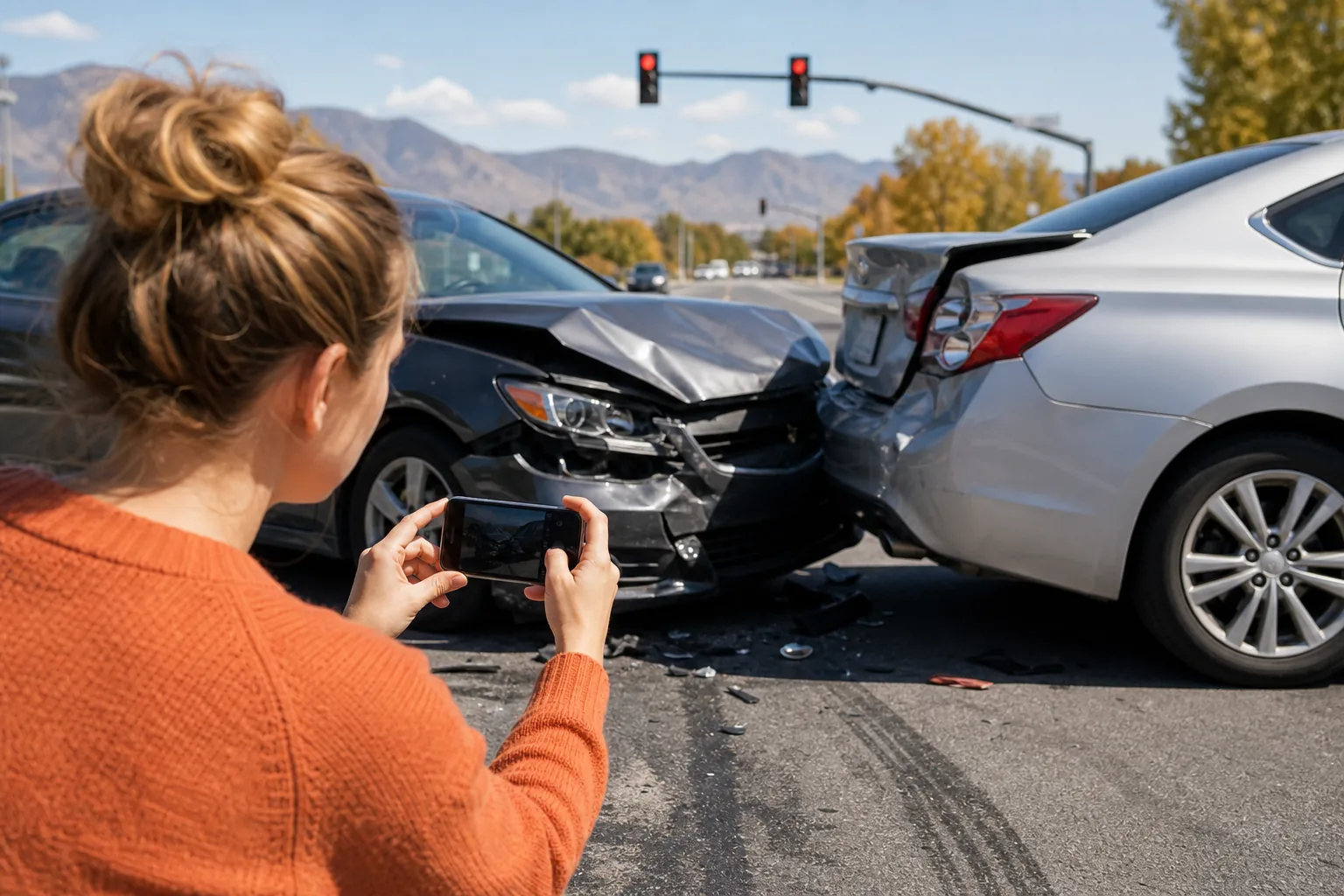
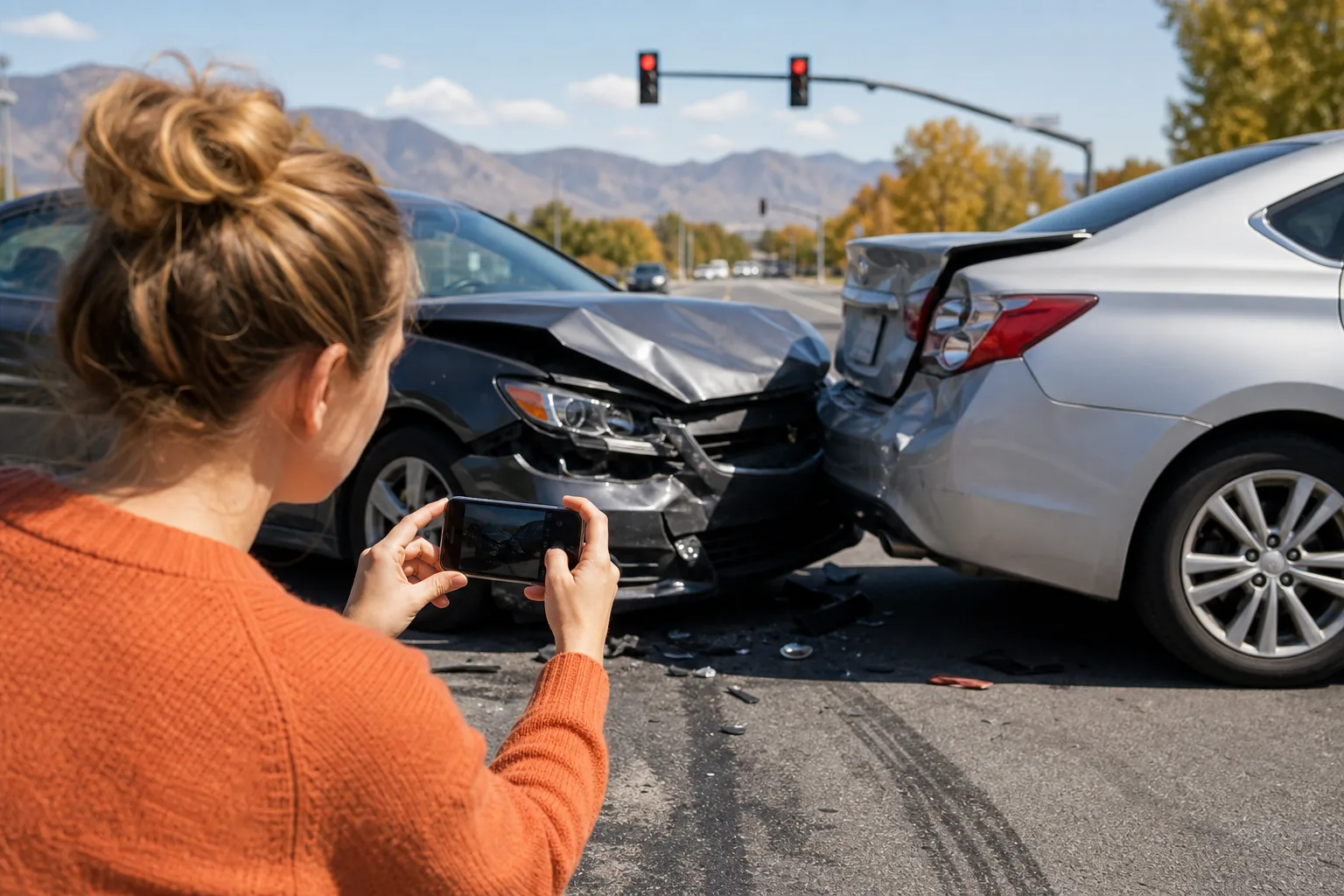
Photograph the vehicles before repairs begin. Get wide shots that show where the cars stopped, then take close shots of each damaged area. Include license plates, traffic lights, signs, lane lines, skid marks, broken parts, and nearby vehicles that may have blocked someone’s view.
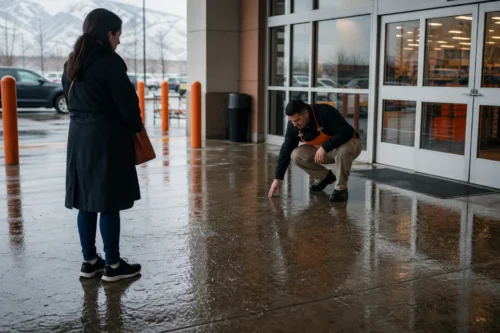
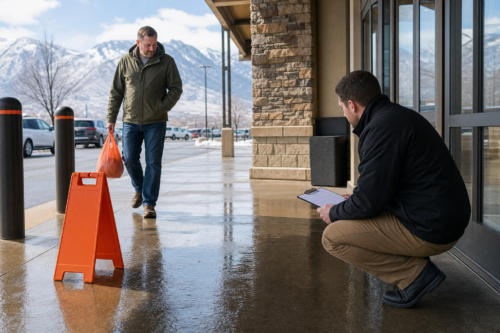
Take pictures of the road and weather too. Wet pavement, poor lighting, construction, ice, or a blocked sign may help explain why the crash happened. Photograph visible injuries when you can. A bruise may change over time, so early images can preserve what a later exam cannot show.
If you have dashcam footage, save the original file right away. Make a backup without trimming or editing it. A time-stamped video may show the seconds before impact more clearly than anyone’s memory. Our guidance on important evidence in a personal injury case also explains why photos, witness accounts, and medical records can support the same event from different angles.
Next, write your timeline in plain words. Record where you were going, your lane, the traffic signal, your speed as best you recall, and what you saw or heard. Note what happened before impact, at impact, and right after it. Don’t fill gaps with guesses. Write “I don’t remember” when that is the honest answer.
Step 2: Obtain the Police or Official Accident Report
An official report can anchor your Utah car accident liability proof, but it doesn’t decide every legal issue by itself. Request a copy and compare it with your own records.
At the scene, ask that law enforcement be notified when appropriate. Tell the responding officer about pain or other symptoms, even if they seem minor. Give a factual account. Avoid guessing the other driver’s speed or admitting fault when you aren’t sure what happened.
When you receive the report, read each page. Check the crash date, location, vehicles, driver names, insurance details, witness references, diagram, road conditions, citations, and injury notes. Mark anything that seems wrong. A report may contain an error, an omitted witness, or a detail that needs explanation.
Keep the report with your photos and timeline. Don’t leave it in an email inbox where it can be missed later. Save the file with a clear name, such as “Crash report, date,” then keep a second backup.
Utah negligence claims often turn on duty, breach, causation, and damages. In plain terms, you may need to show that another person failed to act with reasonable care and that this failure caused your harm.
A report that says “fault undetermined” is not the same as a finding that you caused the crash. It may mean the officer lacked enough information at the scene. Photos, witness evidence, video, and later inspection can still fill in the gaps.
If the crash involved a commercial vehicle, rideshare trip, defective part, or more than two drivers, tell your lawyer early. Those facts may change which records must be preserved.
Step 3: Collect Witness Details and Document Insurance Communications
Witness information can strengthen a Utah liability proof file when drivers remember the crash differently. Gather it early, then keep a careful record of every insurer contact.
At the scene, ask witnesses for their full names, addresses, phone numbers, and driver’s license numbers if they are willing to provide them. Don’t pressure anyone. A witness who saw the signal, lane change, impact, or your condition right after the crash may have useful facts.
Write down where each witness stood. Note what the person said they saw. Don’t coach the witness or ask them to choose a side. Their own words are more useful than a statement shaped to fit your view.
Witnesses may leave before police finish their work. If you cannot collect the information yourself, ask a passenger or another safe person to help. Safety comes first. Never step into traffic to chase a witness.
Insurance calls need the same care. Keep a contact log with the date, time, adjuster’s name, claim number, and subject discussed. Save emails, letters, text messages, repair authorizations, payment offers, and requests for medical records.
Be truthful when reporting the crash. Keep your answers short and factual. You don’t need to give a recorded statement before you understand what the insurer is asking. A statement made while you’re in pain, under medication, or still confused can contain guesses that later sound like admissions.
Don’t post crash details on social media. A photo or comment can be read without the context of your medical condition. Send important updates through a record you can save. If an insurer asks you to sign a broad medical release, pause and ask what records it covers.
We know insurance contact can feel urgent after a crash. A calm pa what was said and keeps the claim from turning on a vague phone memory.
Step 4: Organize Medical Records, Repair Estimates, and Accident Expenses
Medical and financial records connect the crash to your losses. A strong Utah car accident proof checklist tracks both liability and damages.
Seek medical care for symptoms or injuries. Tell the provider when the crash occurred and describe every affected body part. Follow the treatment plan. If you miss an appointment, record why and reschedule when possible.
Ask for copies of records and bills. Keep discharge papers, prescriptions, work notes, therapy records, imaging reports, mileage logs, and receipts for medical equipment. Your records should show what care you received. Your bills should show what it cost.
Keep an injury diary, but make it factual. Note pain levels, sleep problems, limits on movement, missed work, and tasks you can no longer do. Don’t exaggerate. A short entry such as “couldn’t lift my child today because neck pain increased” gives useful detail about daily impact.
Track lost income with pay records or employer documentation. If you are self-employed, preserve canceled work, invoices, and other business records that show the loss. Don’t estimate lost wages from memory when a document can support the figure.
For vehicle losses, save repair estimates, towing bills, storage charges, rental receipts, and photos of the damage. Ask the shop for a written estimate. If the car may be unsafe or a defect may have contributed, don’t authorize disposal before speaking with counsel.
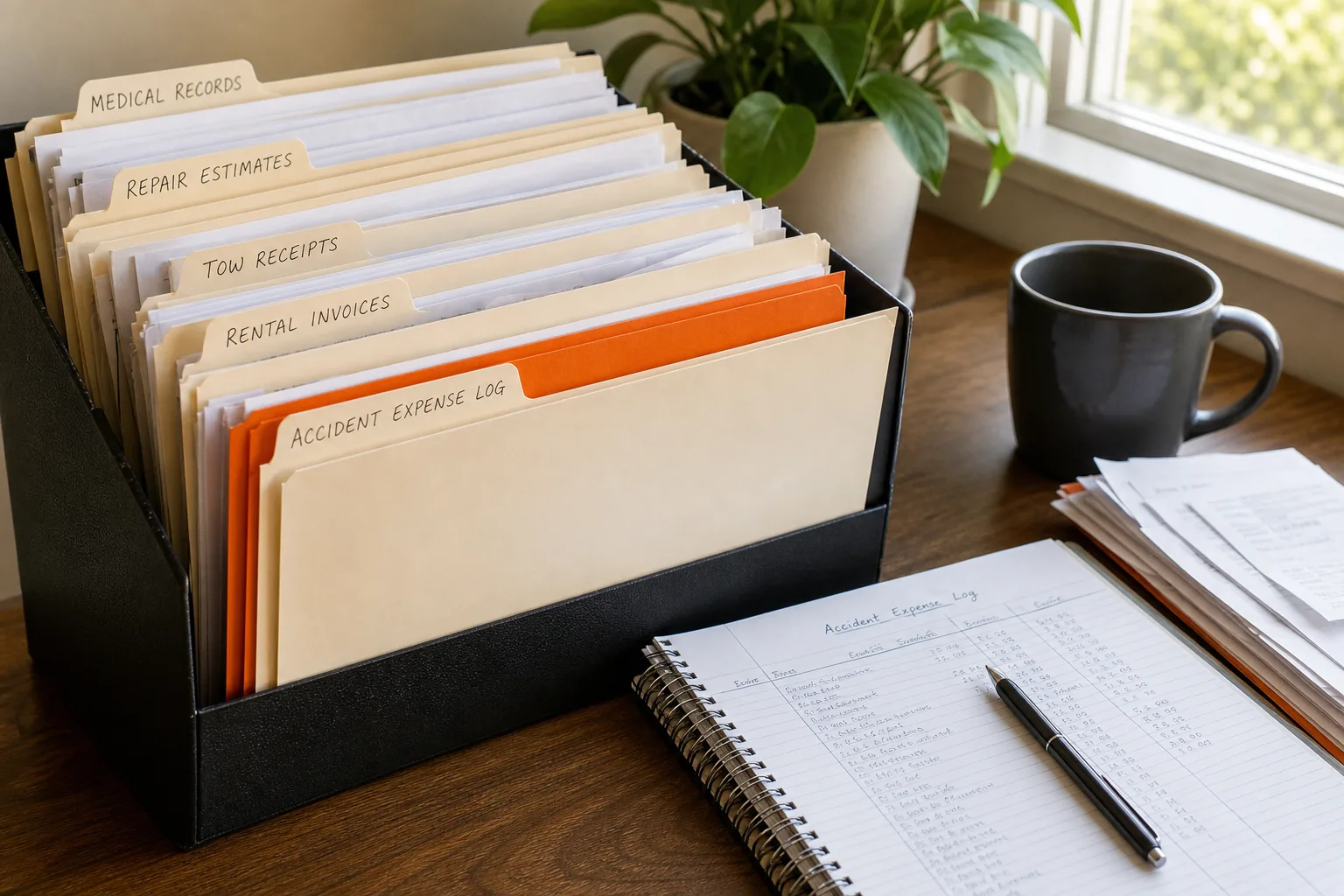
Use one digital folder with subfolders for medical care, vehicle damage, work loss, insurance, and witness evidence. Keep paper originals in a safe place. Name files by date and type. For example, “2026-08-26 emergency visit bill” is easier to find than “scan001.”
Our team at LeBaron & Jensen, P.C. reviews the full record because a claim can have separate property damage and bodily injury parts. A repair bill may prove the impact force or vehicle loss. A medical chart may show the injury timeline. Together, the records tell a more complete story.
Step 5: Review Your Liability Evidence With LeBaron & Jensen, P.C.
A folder full of documents is useful, but proof must answer the legal questions in your case. LeBaron & Jensen, P.C. can review the record with you and identify gaps before an insurer uses them against your claim.
Start with the liability question. What did the other driver do? Did the driver fail to yield, follow too closely, change lanes without care, or ignore a traffic control? Which photo, witness, report detail, or video supports that point?
Then address causation. Causation means showing that the conduct led to the crash and that the crash led to your injuries. Medical timing matters here. A prompt visit can document symptoms close to the event. Gaps in care may prompt questions, so explain any gap with records and honest context.
Next, sort damages into clear groups:
- Past medical bills and treatment.
- Future care supported by a provider.
- Lost wages or reduced work capacity.
- Vehicle repair, rental, towing, and storage costs.
- Pain, limits on daily life, and emotional effects.
We also look for facts that may change the claim. More than one driver may share fault. A passenger may have a claim against a different policy. A rideshare driver may have different insurance coverage based on the driver’s app status. A vehicle defect may bring another party into the investigation.
Don’t discard damaged parts or repair records. Don’t edit videos. Don’t delete messages. Tell us about statements you made to an insurer, even if you think they sounded harmless. Early disclosure lets us address a problem instead of discovering it during settlement talks.
Utah cases also have filing deadlines and claim rules that depend on the facts. We won’t give you a deadline guess based on a checklist alone. Bring the folder to a timely legal review so we can assess the available path toward a fair settlement.
Our goal is to take the stress off your plate while protecting the record. You should not have to sort medical proof, adjuster requests, and fault disputes alone after a serious crash.
FAQ: Utah Car Accident Liability Proof
What proof do I need to show fault in a Utah car accident?
You need proof that connects the other driver’s conduct to the crash. Useful items include the police report, scene photos, dashcam video, witness details, vehicle damage, and your written timeline. This Utah car accident liability proof should also address your own actions, because shared fault can affect the amount you may recover.
Should I give the insurance company a recorded statement?
You should be careful before giving a recorded statement about a Utah accident claim. Tell the truth, but don’t guess about speed, timing, or injuries. Pain, medication, and shock can affect recall. Ask what the statement covers and consider legal advice before agreeing, especially when the insurer asks detailed questions.
How soon should I take accident photos?
Take accident photos as soon as it is safe, preferably before vehicles move or the road changes. Capture the full scene first, then damage and smaller details. Include road conditions, signs, signals, and visible injuries. Save the original files and keep backups. Photos taken later may miss evidence that disappeared.
What should I do if the police report is wrong?
If a Utah crash report contains an error, mark the exact statement and gather documents that correct it. Photos, witness accounts, medical records, or video may provide better detail. Ask the proper agency whether it accepts a supplement or correction. A report matters, but it is one part of the liability record.
What records should I keep after a car accident?
Keep medical records, bills, prescriptions, work notes, repair estimates, tow bills, rental receipts, insurance messages, and witness information. Store them in one folder with dates and clear file names. This makes your car accident liability proof checklist easier to review and reduces the risk of losing a small expense.
When should I speak with a Utah car accident lawyer?
Speak with a Utah car accident lawyer before you sign a release or give a detailed recorded statement. Early advice can help preserve video, damaged parts, medical proof, and witness evidence. Contact LeBaron & Jensen, P.C. for a review of your documents if fault, serious injury, lost income, or insurer pressure makes the claim hard to manage.
Start your file today with the report, original photos, medical records, expense receipts, witness notes, and insurance log. Then share that folder with LeBaron & Jensen, P.C. so we can assess the evidence and help you pursue a fair settlement without adding more strain to your recovery.