
Table of Contents
A fall can happen in seconds. Proving who caused it takes a clear chain of evidence.
In Utah, you generally must show four elements of negligence: duty, breach, causation, and damages. The steps below explain how to build that proof, respond to comparative fault arguments, and protect your claim before key evidence disappears.
Step 1: Establish That the Property Owner Owed You a Duty of Care
The first question in how to prove liability in a slip and fall case is simple: why were you on the property?
Utah uses three visitor categories under premises liability law. An invitee enters for the owner’s business purpose or because the property is open to the public. A customer in a store usually falls into this group. An invitee receives the highest level of protection.
A licensee has permission to enter, such as a social guest. The owner generally must warn that person about hidden dangers the owner knows about. A trespasser enters without permission. Trespassers usually receive limited protection, though special rules can apply when children face an attractive nuisance.
Write down why you were there. Save a receipt, appointment record, parking ticket, or event message if one exists. These details help show your legal status and identify who controlled the place.
The responsible party may be more than the property owner. A business might control the inside of a rented store. A property manager might handle inspections. A contractor might have created or failed to fix a dangerous condition. We examine ownership, control, and maintenance duties before placing blame on one party.
Utah’s premises liability rules depend on the visitor’s status and the condition of the property. You can review the general legal definition of premises liability for background, but your specific facts control the claim.
We at LeBaron & Jensen, P.C. start with this basic question because an injury on someone else’s property does not automatically prove negligence. The duty must connect to the person or company responsible for the area.
Step 2: Document the Hazard and Preserve Evidence
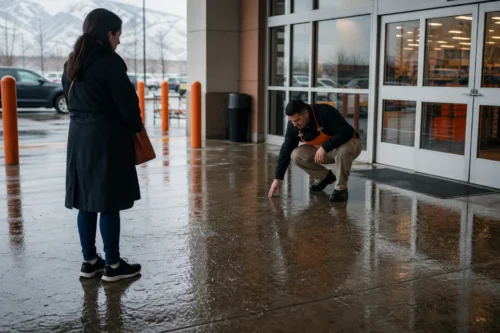
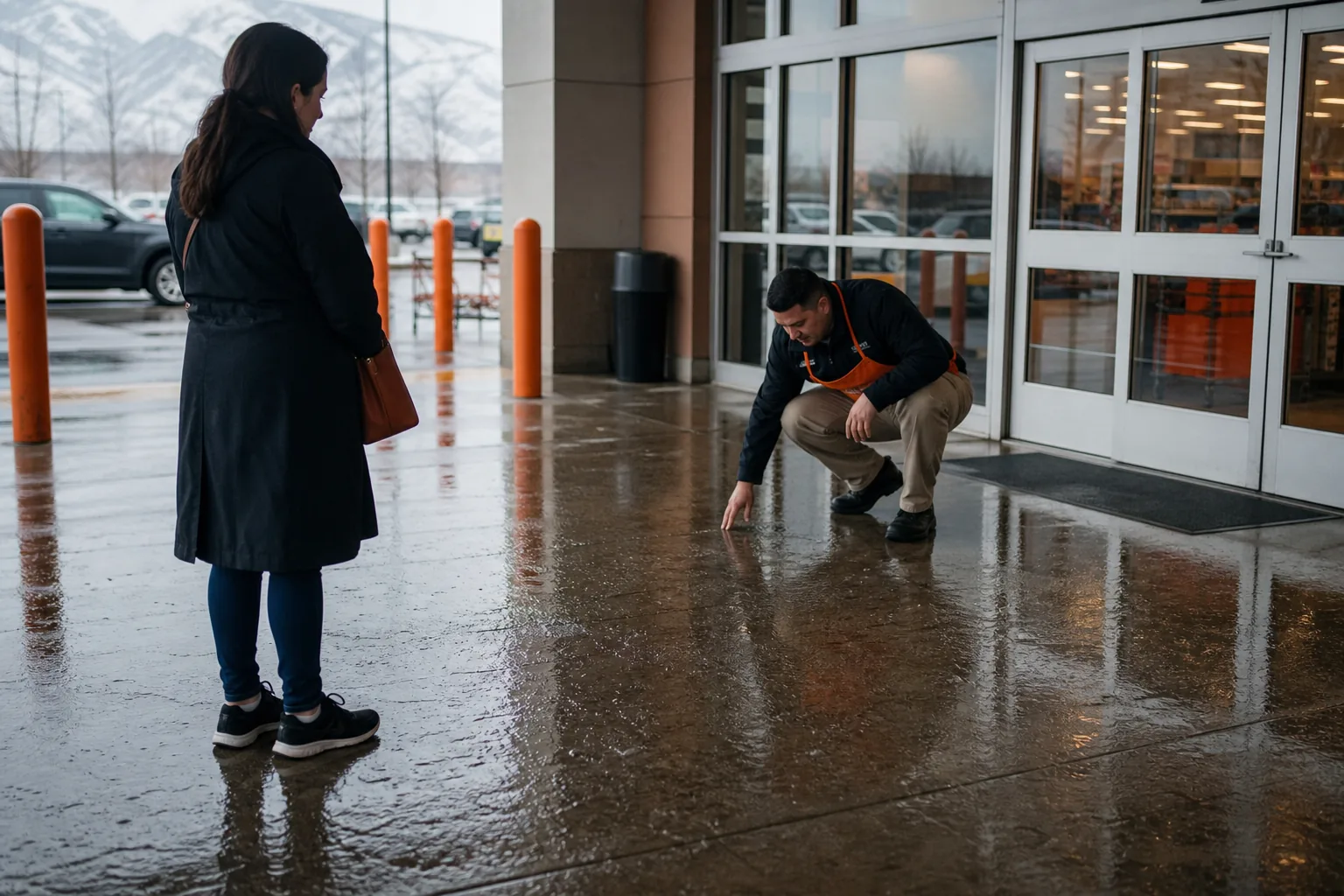
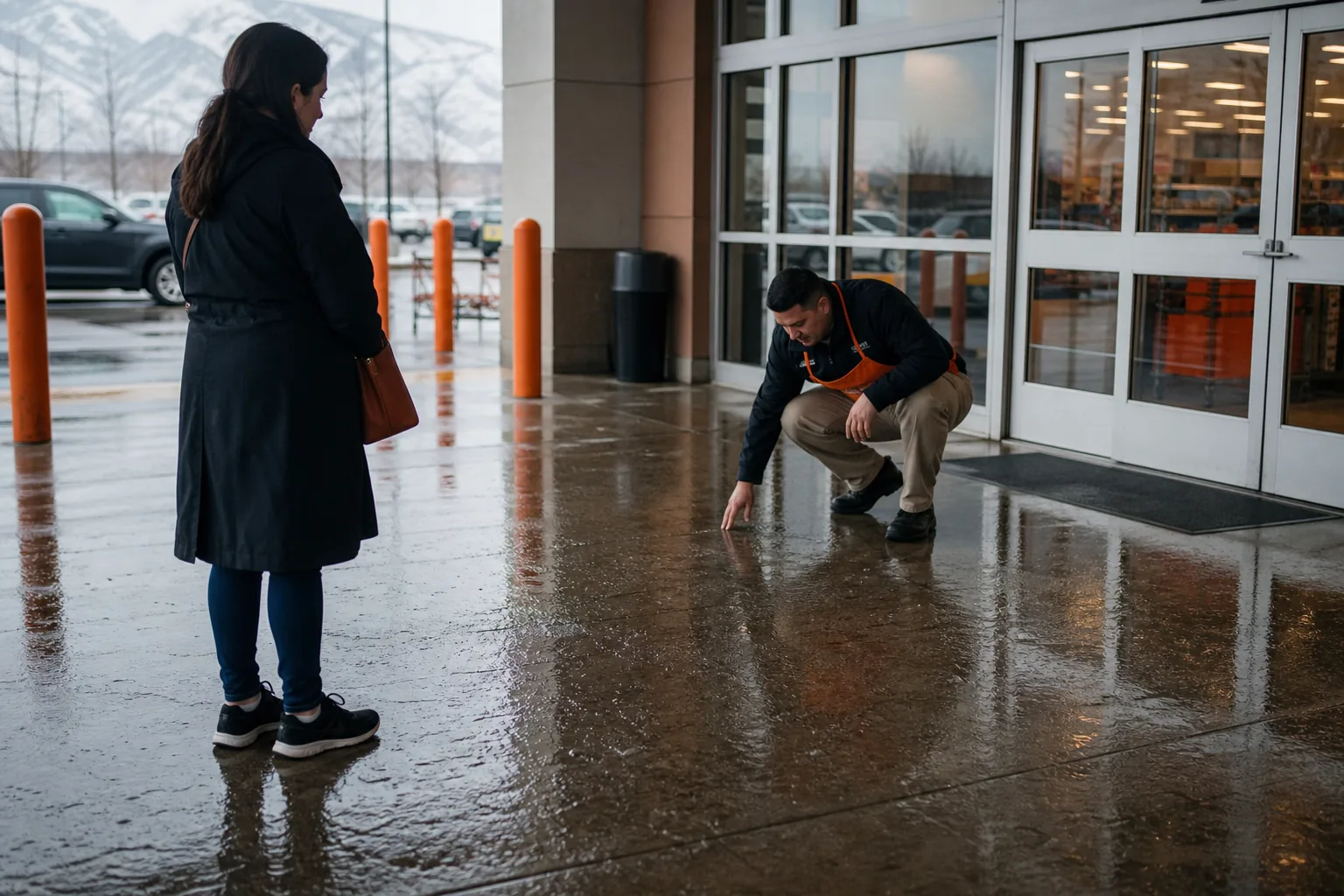
Scene proof fades fast. A spill gets wiped up, ice melts, a loose tile gets replaced, and security footage may be deleted.
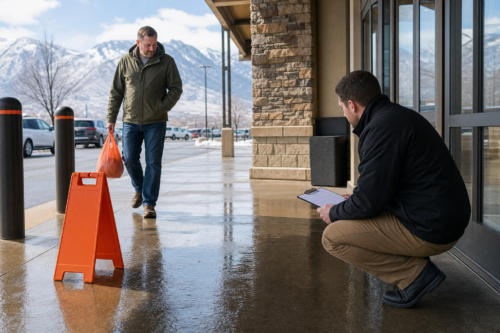
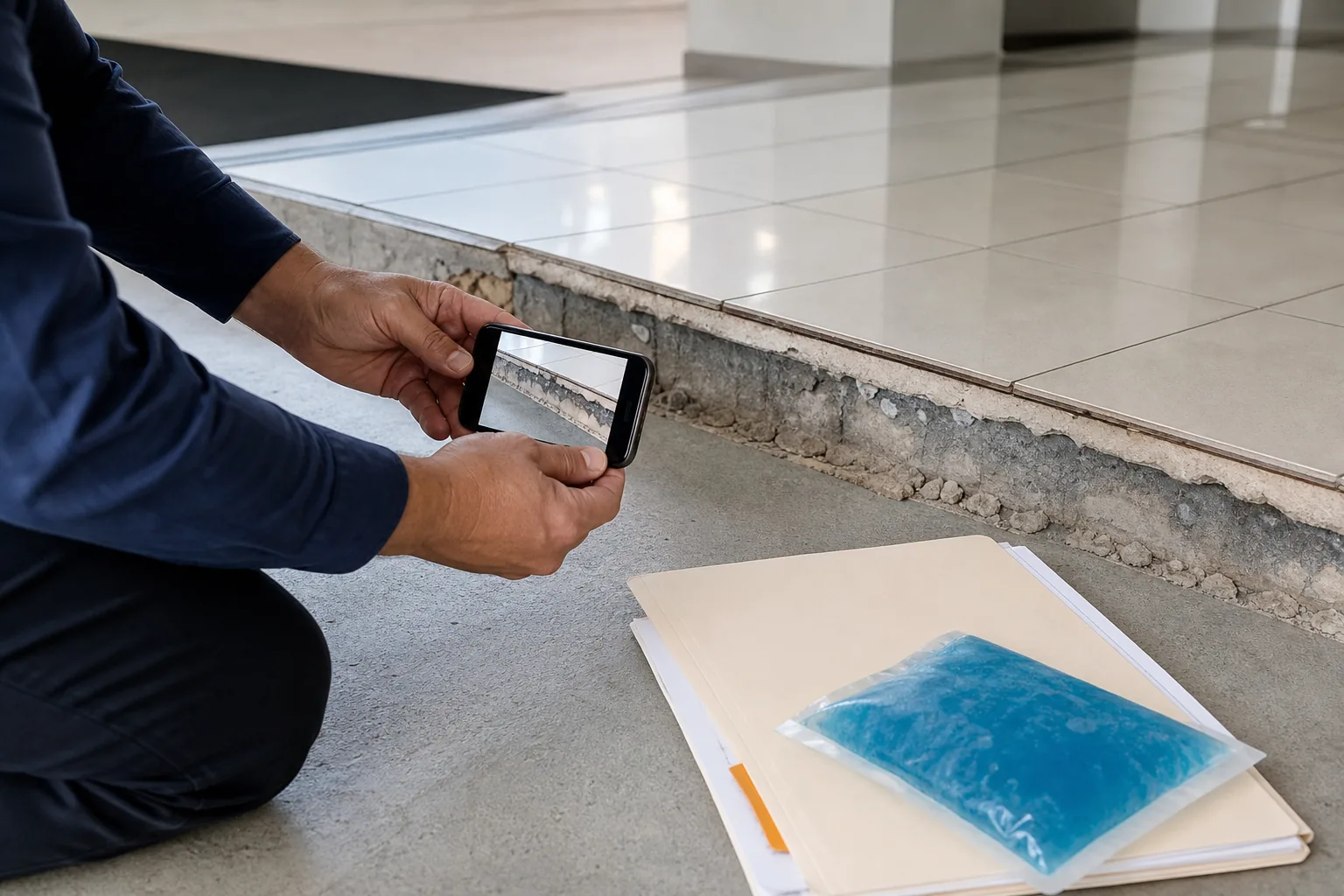
If you can do so safely, take photos before leaving. Capture the hazard close up. Then step back and show the full setting. Include nearby signs, lighting, floor changes, stairs, mats, shelves, and anything that blocked your view.
Take several angles. A single close photo may show water but not its size. A wide photo may show the aisle but not the broken surface. Place an ordinary object nearby only if it can show scale without changing the scene.
Photograph your injuries as they develop. Keep the original files. Do not edit them. Your phone may store the date and time, which can help build a timeline.
Report the fall to a manager or person in charge. Ask for an incident report. Do not guess about the cause, accept blame, or sign a release. State what you know: where you fell, what you noticed, and what hurt.
Write your own account that day. Record the time, weather, route, footwear, lighting, warning signs, and the exact place where your body landed. Memory shifts after pain and stress. A prompt note gives your later testimony a firm base.
Ask witnesses for their names and contact details. A witness may have seen the hazard before your fall, watched the fall itself, or noticed your pain right after it happened. Keep those details in one file.
Security video can be especially important. Ask the business to preserve footage from the area and the time before and after the incident. Do this in writing. We can send a preservation request when needed, so the business understands that the recording may matter to a claim.
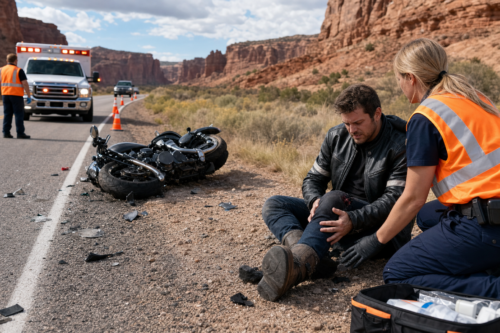
Keep damaged personal items. A torn shoe, stained clothing, or broken glasses may help explain the mechanics of the fall. If a vehicle incident contributed to the event, preserve vehicle damage records too. LeBaron & Jensen, P.C. includes vehicle damage documentation in its broader personal injury evidence review, but it only belongs in a slip and fall file when the facts support it.
Step 3: Show the Owner Knew or Should Have Known About the Hazard
Notice is often the hardest part of how to prove liability in a slip and fall case. You must usually show the owner knew about the danger or should have found it.
Actual notice means someone responsible knew about the hazard. An employee may have seen a spill. A customer may have complained. A prior incident may have put management on notice. A work order may show that staff knew a handrail, step, or floor surface needed attention.
Constructive notice means the condition lasted long enough that a reasonable inspection should have found it. A puddle that appeared seconds before the fall may give the owner little time to respond. A spill left in a busy aisle for an extended period presents a different question.
Look for proof of time. Security video may show when the hazard formed. Witnesses may say they saw it earlier. Cleaning logs may reveal long gaps between inspections. Maintenance records may show repeated repairs or complaints in the same spot.
Ask what caused the condition. Did an employee create the spill? Did rain enter through an area without mats? Did a store know that flooring was loose? Did a landlord leave a broken walkway unrepaired? The cause can help show both notice and breach.
Utah’s visitor rules and notice requirements can change when a government entity owns the property. A fall on a public sidewalk, school, park, or government building may involve the Utah Governmental Immunity Act. For information about these requirements, read the Utah notice of claim statute promptly, then speak with counsel about how it applies.
Owners often argue that a hazard was “open and obvious.” That means they claim a reasonable person should have seen and avoided it. The phrase does not end every case. Visibility, lighting, distractions caused by the property layout, the available path, and the owner’s ability to fix the condition all matter.
For example, a raised edge may look clear in a later photograph but have been hard to see in dim light. A wet floor may be visible from one angle but hidden by a display from the walking path. Evidence must show what you could see before the fall, not only what someone sees after the event.
Comparative fault is another common defense. The owner may say you were distracted, wore unsafe shoes, or ignored a warning. Do not argue about fault in a rushed conversation. Give the facts to us, and we can test the defense against the scene evidence.
Step 4: Connect the Hazard Directly to Your Fall and Injuries
Finding a dangerous condition is not enough. You must connect that condition to the fall, then connect the fall to your injuries.
Start with a clear timeline. Write what happened just before the fall. State where your foot went, what surface changed, how your body moved, and where you landed. If you felt pain right away, record that. If symptoms appeared later, record when they began.
Photos help prove the first link. They show the condition that may have caused the fall. Witnesses can add what the camera missed. One person may have seen the hazard. Another may have seen your foot slide. A third may have watched you struggle to stand.
Seek medical care promptly. Tell the provider that you fell, where it happened, and what body parts were hurt. Be accurate. Do not leave out symptoms because they seem minor. Emergency records, clinic notes, imaging, prescriptions, and therapy records can place the injury close to the event.
Follow the care plan. Missed visits give an insurer room to argue that the injury was less serious or came from another cause. If treatment is hard to afford, tell your provider and attorney rather than stopping without explanation.
Insurers often raise pre-existing conditions. A prior back problem does not automatically erase a claim. The issue may be whether the fall caused a new injury or made an old condition worse. Medical records and qualified medical opinions can help separate those questions.
In harder cases, a safety professional may explain the floor, lighting, slope, or building condition. A medical professional may explain the injury link. A reconstruction specialist may measure the scene when the defense disputes how the fall happened. We decide whether that cost makes sense for the value and dispute in your case.
Keep a daily symptom log. Note sleep problems, pain levels, limits on walking, missed activities, and help you need at home. This record should be honest and specific. “Could not stand long enough to cook dinner” says more than “felt bad.”
Our team at LeBaron & Jensen, P.C. compares the scene account with the medical record. When those records tell the same story, the causation link becomes easier to explain.
Step 5: Prove Your Damages and Build the Claim
A claim needs proof of harm. Damages can include medical costs, lost income, reduced earning ability, physical pain, and limits on daily life.
Build a damages file as bills arrive. Keep hospital invoices, provider statements, pharmacy receipts, therapy records, mileage notes, and insurance explanations of benefits. Ask providers for itemized records when the bill is unclear.
Document work loss through employer records. Save pay stubs, leave records, and written confirmation of missed shifts. If your injury changes the work you can do, note the limits. A doctor’s restriction may help explain why your income fell.
Future losses need care. A serious injury may require more treatment or prevent a return to the same job. Medical opinions can address future care. Vocational or financial analysis may help measure lost earning power when the facts support it.
Pain and suffering are real losses, but they need a factual record. Track sleep, movement, personal care, hobbies, family duties, and social limits. Friends or family may describe changes they observed. Photos from before the fall can help show activities you no longer perform.
Your share of fault may reduce recovery. If your fault reaches 50 percent or more, you recover nothing. The official Utah comparative fault statute should be reviewed with a lawyer because the facts and claims can affect the analysis.
Do not give a recorded statement or sign a settlement release before you understand the claim. An early payment may look helpful while future treatment remains unknown. Once you sign a release, you may lose the right to seek more money for the same event.
Deadlines matter too. A private-property claim may follow a different filing period than a government claim. Evidence work should start well before any deadline, since camera footage and witness memories do not wait.
We can take the stress off your plate by organizing the evidence, dealing with insurers, and assessing whether a fair settlement reflects the full loss. Contact LeBaron & Jensen, P.C. through the firm’s website when you are ready to discuss the next step.
Frequently Asked Questions
What are the four elements of a slip and fall case?
The four elements are duty, breach, causation, and damages. You must show the property owner owed you a safety duty, failed to meet it, and caused your fall. You must also prove actual harm. Photos, maintenance records, witness accounts, and medical bills can support each part of the claim.
How do I prove a store knew about a spill?
You can prove notice through video, employee testimony, prior complaints, inspection logs, cleaning records, or witnesses who saw the spill earlier. If no one admits seeing it, you may argue constructive notice by showing it lasted long enough for a reasonable inspection to find it. The timing and condition of the spill matter.
Can I still recover if I was partly at fault?
You may recover if your share of fault stays below the Utah threshold, but your award can be reduced. The defense may claim you were distracted or should have seen the hazard. Evidence about lighting, warnings, footwear, your route, and the condition’s visibility can help test that claim.
What should I do right after a slip and fall?
Get medical help for urgent symptoms, report the fall, take safe scene photos, and collect witness details. Write down what happened while your memory is fresh. Avoid guessing about fault or giving a recorded insurance statement before getting legal advice. Preserve clothing and shoes if they relate to the fall.
How long do I have to file a Utah slip and fall claim?
The deadline depends on who owns the property and the type of claim. Government property can require a notice of claim within one year, while private claims may follow a different period. Do not rely on a general deadline. Ask a Utah injury lawyer to review the date and property owner promptly.
Conclusion
Build the claim around the four required links: duty, breach, causation, and damages. Preserve the scene now, seek medical care, and avoid statements that shift blame onto you. If an insurer disputes notice or comparative fault, LeBaron & Jensen, P.C. can review your records and discuss a sensible path toward a fair settlement.