
Table of Contents
A hit-and-run can leave you hurt, stressed, and unsure who will pay. The right response starts with safety and evidence, then moves through insurance and court steps. We’ll show you how to file a hit-and-run lawsuit in Utah, explain what happens when the driver stays unknown, and point out where legal help can protect your claim.
Step 1: Report the Hit and Run and Get Medical Care
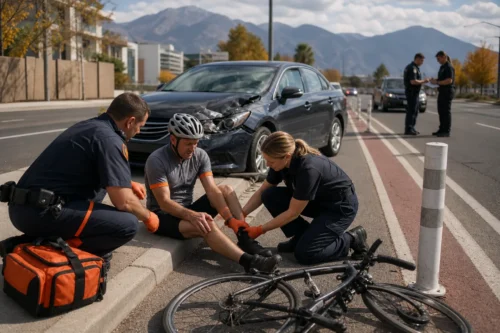
A hit-and-run claim gets harder when no one records the crash scene. Report it fast and let a medical provider check you, even if pain seems mild.
Move to a safe place if you can. Check yourself and anyone else in your car. If someone needs urgent help, request emergency services. Don’t chase the other vehicle. You could worsen your injuries or cause another crash.
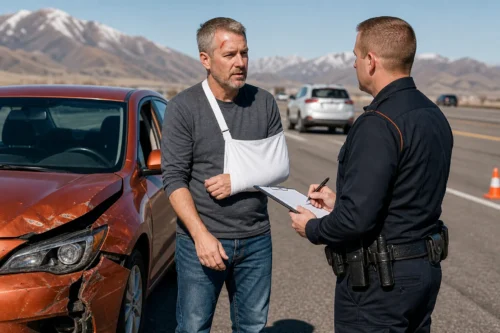
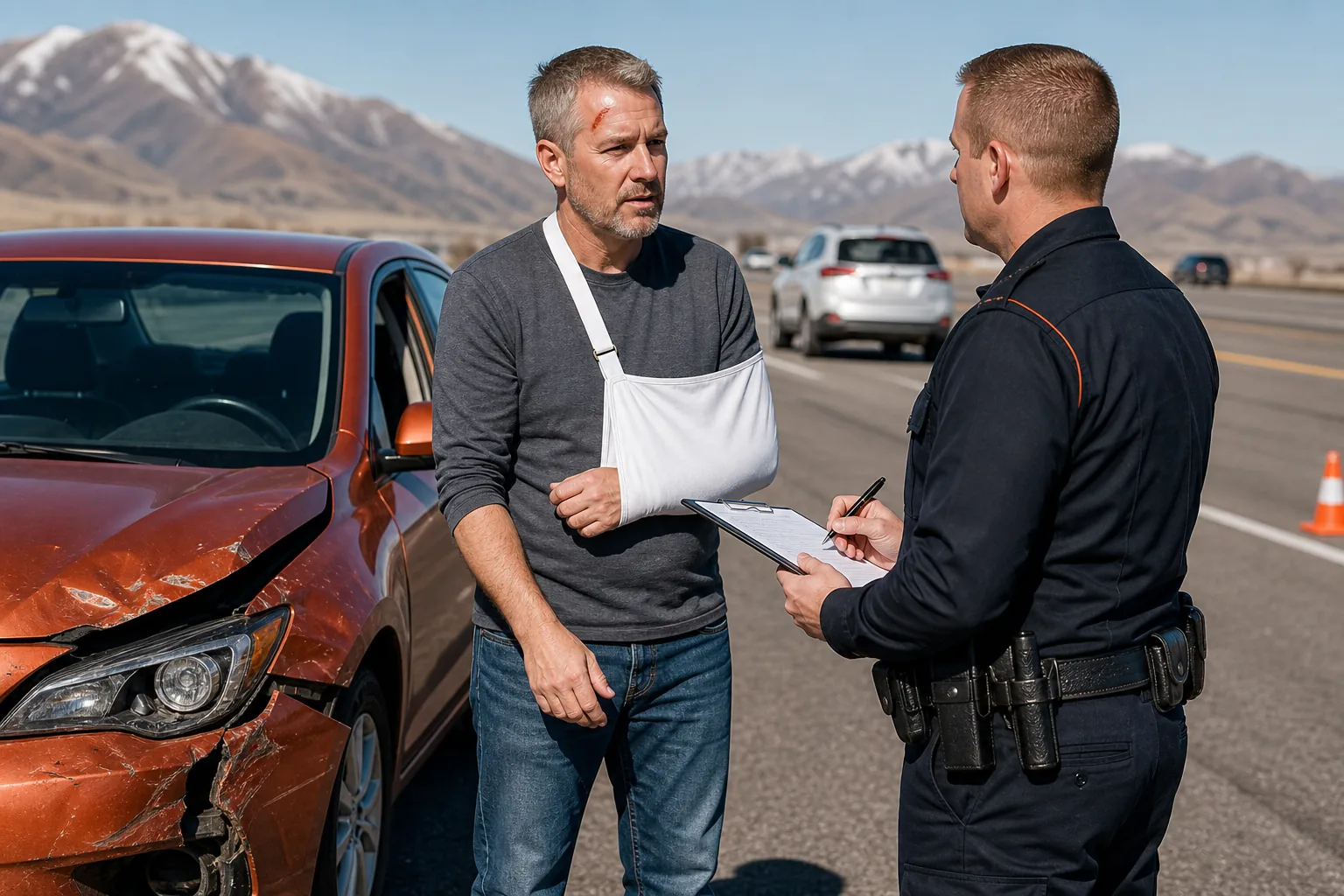
Give the responding officer a clear account. State where the crash happened, when it occurred, which way the other vehicle went, and what you saw before impact. Describe the vehicle without guessing. Color, body type, damage, plate characters, and decals may help. Tell the officer about every symptom, even if you have not yet seen a doctor.
Ask how to get the report number and where to request the completed report. If officers don’t respond, report the crash through the proper local law enforcement channel. Keep your account consistent. A later change can give an insurer a reason to question fault.
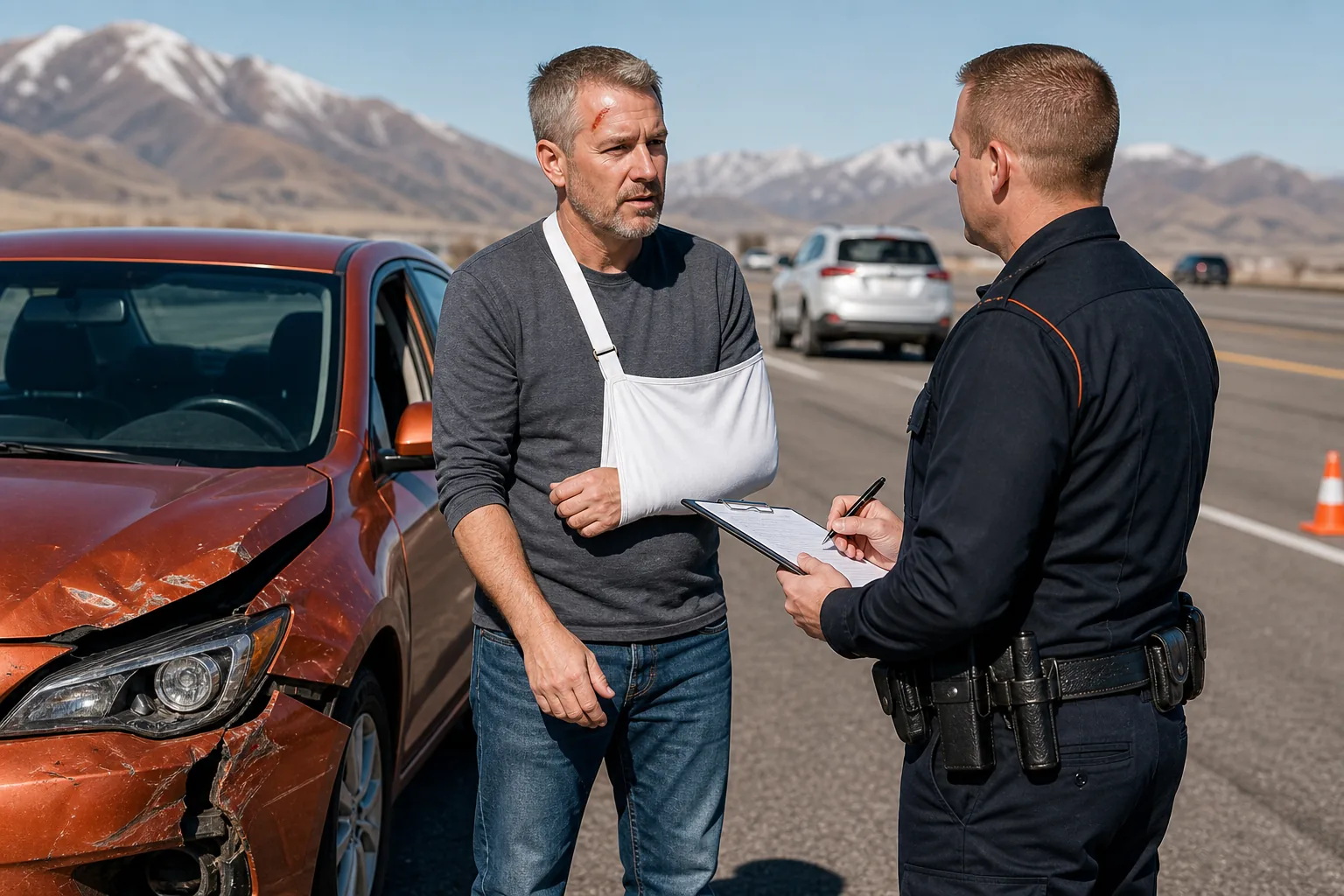
Get medical care as soon as you can. Follow the treatment plan and keep each bill, visit note, prescription record, and work absence record. A gap in care doesn’t always defeat a claim, but it gives the insurer an argument that your injuries were minor or unrelated.
Leaving certain crash scenes may have criminal consequences. Additional information about crash duties is available online. A criminal case belongs to the state. Your civil claim seeks money for your losses. The two cases can move on separate tracks.
Step 2: Preserve Evidence and Look for the Responsible Driver
Finding the driver can change who pays, but useful proof can still support your claim if the driver remains unknown. Preserve every lead before it disappears.
Take photos of your car from several angles. Capture the impact point, paint transfer, broken parts, road marks, nearby signs, and the wider scene. If you can’t do this safely, ask someone else or return with permission. Don’t repair or wash the vehicle until you’ve photographed the damage.
Save dash-cam footage in its original form. Make a second copy and note the date and time shown on the file. Many systems overwrite old clips. Move the file to secure storage before you keep driving.
Look for witnesses. Ask nearby drivers, shop workers, residents, or passengers what they saw. Get names and contact details with permission. Write down each person’s exact account while it is fresh. Don’t coach anyone or ask a witness to change unclear details.
Nearby cameras may hold the best clue. Ask businesses, homes, parking operators, or transit agencies to preserve footage. You can make the request yourself, but don’t trespass or pressure anyone. Tell your lawyer where each camera sits and the likely time window.
Keep physical evidence too. Store loose vehicle parts in a dry place. Save torn clothing and damaged personal items. Don’t discard a child seat, helmet, or other item that may show the force of the impact.
Build a simple case file with these folders:
- Police report details and scene photos
- Dash-cam files and witness notes
- Medical records, bills, and provider names
- Repair estimates and proof of vehicle value
- Insurance letters, claim numbers, and recorded statements
- Pay records showing missed work
Our Utah car accident liability proof checklist can help you sort these records before an insurer asks for them. Organization matters because missing proof often becomes a problem months later, when memories have faded.
Don’t post crash details on social media. An insurer may read a cheerful photo or short comment as proof that you weren’t badly hurt. Send important evidence through a secure method and keep the original files unchanged.
If police identify the vehicle, ask how to provide your photos and video. Don’t confront the driver. Let law enforcement and your lawyer handle contact, especially if the other person denies being involved.
Step 3: Identify the Insurance and Compensation Sources Available
Insurance often becomes the first path to payment after a hit-and-run. We help clients separate each coverage question before they accept a settlement.
Start with your own auto policy. Look for uninsured motorist coverage, often called UM coverage. It may apply when the at-fault driver can’t be found or has no liability insurance. Underinsured motorist coverage, or UIM coverage, may apply when the driver’s policy limit cannot cover your losses.
Ask your insurer for the policy declarations page and the full coverage language. Check notice rules, deductibles, proof requirements, and any definition of an uninsured vehicle. Don’t assume a claim against your own insurer is simple. Your insurer may also evaluate fault, medical proof, and the value of your damages.
Collision coverage may help pay for vehicle damage, subject to the policy terms and deductible. It can be useful while the search for the other driver continues. Property damage coverage and injury coverage may follow different rules, so ask the adjuster to explain each claim separately.
Notify the insurer promptly. Give basic facts, but don’t guess about speed, fault, or future medical needs. Be careful with a recorded statement. You can ask for time to review the request with counsel.
Possible payment sources may include:
- Your UM or UIM coverage for covered injury losses
- Your collision coverage for covered vehicle damage
- Liability coverage available if the driver is identified
- Other potentially applicable coverage, if the evidence supports that claim
- The driver’s personal assets after a judgment
The last option may have little value if the driver owns few assets. A judgment does not guarantee payment. Collection may take time and must follow legal limits. A lawyer can assess whether a lawsuit is worth pursuing against a person with limited resources.
Damages may include medical costs, lost income, vehicle repair or replacement loss, and pain and suffering. Future losses need support from medical records, work records, or expert opinions. Don’t settle before you understand the likely course of treatment. A release may end your right to seek more money later.
At LeBaron & Jensen, P.C., settlement advice may depend on the policy language and claim history. That review can show whether the offer covers the full loss or only the bills already in hand.
Step 4: Check Utah Deadlines and Calculate the Personal Injury Claim
Deadlines can end a valid claim before a judge hears it. Check the correct Utah limitation period early, then work out the full value of your losses.
The wording of the claim and the defendant can change the analysis. The applicable deadline should be reviewed with the facts of your case.
Don’t treat the insurance deadline as the court deadline. An insurer may set its own notice and proof rules. Government defendants can have special notice requirements. A minor, delayed discovery, death, or another fact may affect when time starts or whether an exception applies.
Write down the crash date. Then list every date tied to the claim:
- First medical visit
- Later diagnosis or procedure
- Notice to each insurer
- Vehicle inspection and repair estimate
- Last day of work or reduced hours
- Any settlement offer or signed release
Use the dates to build a case calendar. Set an internal deadline well before the legal deadline. Filing at the last minute leaves less time to fix a service error, add a defendant, or gather a missing record.
Calculate economic losses first. Gather paid bills and estimates. For lost wages, compare normal pay with the amount received during missed work. If your injury affects future work, ask your medical provider to describe limits and expected duration.
Pain and suffering has no single Utah price chart. The value depends on the injury, treatment, daily limits, recovery outlook, and proof. A journal can record sleep loss, missed family activities, fear while driving, and tasks you can no longer do. Keep it factual. Avoid dramatic claims that your records cannot support.
Property damage needs its own proof. Keep the repair estimate, photographs, towing bill, rental records, and any valuation report. If the car is a total loss, compare the insurer’s valuation with records for similar vehicles. Don’t accept a property payment that also releases your injury claim unless you understand the language.

We recommend an early legal review when the driver is unknown, injuries continue, or the insurer asks for a broad release. LeBaron & Jensen, P.C. can help map the deadline and separate injury damages from vehicle losses before you make a final choice.
Step 5: File, Serve, and Pursue the Utah Civil Lawsuit
A civil lawsuit begins with a complaint filed in the proper Utah court. Filing alone doesn’t put the defendant under the court’s authority. You must also complete valid service.
Before filing, identify the correct defendant. If police found the driver, confirm the person’s legal name and address through lawful records. If the driver remains unknown, your attorney can assess whether an insurance claim is the better path and whether a lawsuit against a named unknown driver can work under the facts.
The complaint usually states the crash facts, the defendant’s alleged negligence, your injuries or losses, and the relief you seek. Negligence means the defendant failed to use reasonable care and caused harm. Attachments and required forms depend on the court and claim.
File in the court with authority over the case. Pay the filing fee unless you qualify for a waiver. Keep the stamped copy and case number. Court staff can explain filing procedure, but they can’t tell you what legal claims to bring or what settlement amount to demand.
Arrange service through a person authorized to serve legal papers. Don’t serve the complaint yourself unless the rules allow it. Keep proof of service. If service fails, act quickly because the case can stall or face dismissal.
After service, the defendant may answer, raise defenses, or seek dismissal. The case may then involve document requests, written questions, depositions, medical authorizations, and settlement talks. A deposition is sworn testimony. Tell the truth, answer only what was asked, and pause when you need a moment.
Settlement can happen before or after filing. The offer should be considered in light of your medical outlook and available coverage. If the driver has no money, we also weigh collection prospects against litigation cost and time.
LeBaron & Jensen, P.C. can review the evidence, handle insurer communications, and explain each court stage. The best next move may be a claim, a demand, or a lawsuit. It depends on proof and coverage, not on pressure to file.
Keep following medical advice while the case moves. Tell your lawyer about new symptoms, treatment changes, address changes, and any new contact from an insurer or defendant.
Frequently Asked Questions About Utah Hit-and-Run Lawsuits
Can I sue if the hit-and-run driver was never found?
Yes, you may still pursue compensation through your own uninsured motorist coverage, if the policy applies. A lawsuit against an unknown driver is more difficult because you must identify and serve a real defendant. Preserve video and witness proof while police investigate. An attorney can compare the insurance route with the likely value of a civil case.
Do I need a police report to file a hit-and-run claim in Utah?
A police report is not always the only way to begin a claim, but you should report the crash as soon as possible. The report creates an early record and may help trigger coverage. Give the officer facts, not guesses. Keep the report number and provide later evidence through the proper channel.
What insurance pays for a Utah hit-and-run accident?
Your uninsured motorist coverage may pay covered injury losses when the driver is unknown or uninsured. Collision coverage may address vehicle damage under your policy. The exact result depends on policy terms, deductibles, notice rules, and proof. Don’t assume one claim releases another. Have the policy reviewed before accepting a final settlement.
How long do I have to file a hit-and-run lawsuit in Utah?
Many Utah personal injury claims against private defendants have a three-year filing period, but exceptions and different defendants can change the result. Insurance notice periods are separate. Record the crash date and get legal advice early. Waiting can weaken evidence even when the court deadline has not passed.
Can I recover pain and suffering after a hit-and-run?
You may recover pain and suffering when the evidence supports an injury claim and the applicable coverage or defendant can pay. Medical records show diagnosis and treatment. Your own notes can show daily limits and lasting effects. The value depends on the facts, not a fixed formula. A release can end future recovery rights.
Conclusion
Report the crash, get medical care, preserve every piece of proof, and notify the right insurer without guessing about your rights. Because deadlines and coverage rules can change the result, request a case review from LeBaron & Jensen, P.C. before signing a release or letting the filing date approach.