

Table of Contents
An insurance denial can feel like the case is over. It isn’t. In Utah, insurers may point to your own conduct, policy exclusions, or missing proof. We recommend taking four steps right away: read the denial closely, match evidence to its reason, check Utah rules and deadlines, then challenge the decision in writing.
Step 1: Read the Denial Letter and Identify the Insurer’s Reason
When insurance denies a personal injury claim in Utah, start with the letter. Do not rely on a phone explanation or a short email. The written denial may reveal the policy clause, fact dispute, or coverage defense the insurer plans to use.
Look for four items:
- The exact reason for the denial.
- The policy section or Utah law cited.
- Facts the insurer says are missing or disputed.
- Instructions for review, appeal, or added documents.
One conduct exclusion deserves close attention. It addresses an injury where the injured person intentionally caused the injury. That equals 25 percent of the sample. The other listed exclusion categories appeared once each.
That sample also contained no insurer-provided explanations beyond the denial reason. This creates a serious gap. You may have to infer the insurer’s position from dense policy wording instead of a clear account of the facts.

Mark every sentence that sounds factual. For example, the insurer may say you caused the crash, used the vehicle outside the policy terms, or failed to give consent. Write down what evidence supports or contradicts each statement.
Do not sign a release while you still question the denial. A release may affect future claims. Save the letter, envelope, emails, claim file, and notes from every conversation in one folder.
Step 2: Build Evidence That Directly Answers the Denial
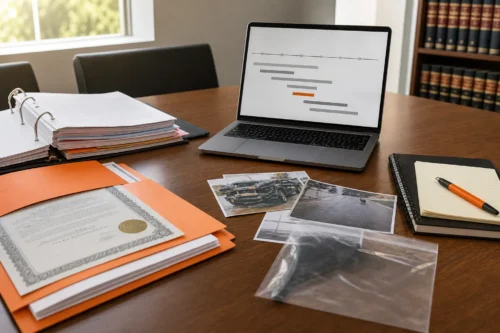
If insurance denies your Utah injury claim, gather proof that answers the stated reason. A large file is less useful than a focused one. Each document should help show what happened, who was responsible, or why the exclusion does not fit.
Start with the denial reason as your outline. If the insurer disputes fault, focus on crash facts. If it disputes your injury, focus on medical records and the link between the event and your treatment. If it cites policy language, collect documents that show how the vehicle or coverage was used.
For a car crash, gather:
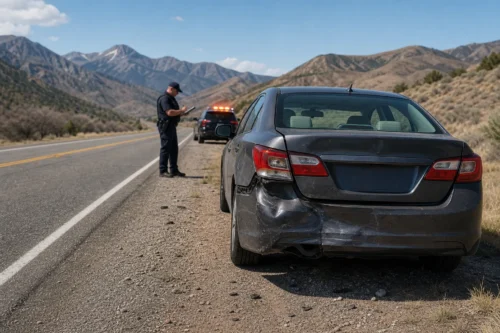
- The crash report and any diagram.
- Photos of vehicles, road conditions, and visible injuries.
- Witness names and short descriptions of what they saw.
- Medical records, bills, work loss records, and treatment notes.
- Insurance applications, declarations pages, and policy notices.
- Emails or letters exchanged with the adjuster.
Keep original files when possible. Photos may contain useful date information. Do not edit a picture before saving the original. Ask medical providers for records that explain the diagnosis, treatment, and expected follow-up.
A timeline can expose a weak denial. Write the crash date first. Add the first report of pain, each appointment, missed work, claim submissions, and insurer responses. If there was a delay, explain it accurately. Do not guess. Say what you know and mark what still needs proof.
We often recommend a claim chart with three columns:
- Insurer’s statement: Copy the denial language.
- Your response: State why the claim is covered or why the fact is wrong.
- Supporting proof: Name the document or witness that supports your response.
For help sorting crash proof, our Personal Injury Attorneys In Ogden Utah | LeBaron & Jensen can review how the facts fit the claim. We take the stress off your plate by separating useful evidence from material that distracts from the denial.
Be careful with social media. A post can be read without its full context. Do not discuss blame, pain levels, or settlement demands in public posts. Send claim communications through a record you can preserve.
By now, you should have a copy of the denial plus a short evidence file tied to each reason. That file gives you a sound base for the legal review in the next step.
Step 3: Check Utah Coverage Rules, Fault, and Legal Deadlines
When an insurer denies a personal injury claim in Utah, the policy and the law must be read together. A policy defense may sound firm while still depending on disputed facts. Coverage, fault, and filing deadlines each need separate review.
Separate coverage from fault
Coverage asks whether the policy applies. Fault asks who caused the injury. The insurer may mix the two in one letter, but they are different questions.
For example, an insurer may say your conduct caused the injury. Ask what conduct it means. Did it allege an intentional act? Did it claim you used the vehicle in a way the policy excludes? Did it simply argue that another driver was not negligent?
Those points call for different proof. A crash report may help with fault. Policy declarations may help with coverage. Medical records may help prove injury. One document rarely answers every issue.
Review statutory exclusions with care
Read the applicable law beside the full policy wording. The statutory text is available for review.
Do not assume that an exclusion applies because the adjuster used a legal term. The facts must fit the wording. An intentional act is different from an ordinary mistake. A lack of consent is different from a dispute about who had permission. Vehicle use as a residence is different from temporary rest inside a vehicle.
Calendar every deadline
A claim deadline and a lawsuit deadline are not always the same. The policy may set notice or proof requirements. Utah law may set a time limit for filing suit. A government defendant can create extra notice rules. The type of injury can also change the analysis.
Write down every date now. Include the incident date, date of notice, denial date, last treatment date, and any deadline printed in the policy or letter. Then ask a Utah attorney to confirm which deadlines apply. Do not wait for the insurer’s internal review before checking the court deadline.
Fault rules can also affect value. If several people share fault, the final recovery may change. The insurer may use your statement to argue that your share of fault is higher than it is. Keep your account brief and factual. Avoid signing a statement that you do not understand.
LeBaron & Jensen, P.C. can review the denial beside the policy, available evidence, and timing concerns. We cannot promise a result, but an early legal review can show whether the dispute concerns coverage, fault, proof, or more than one issue.
Step 4: Challenge the Denial and Escalate the Claim
After an insurance denial, send a focused written response. The goal is to make the insurer address the exact defense instead of sending a broad complaint that is easy to ignore.
Send a targeted reconsideration
State the claim number and denial date. Quote the denial reason. Then explain, in plain terms, why the cited exclusion or fact does not apply. Attach only documents that answer the issue. Label each attachment so the adjuster can find it.
Ask the insurer to identify any missing document. Request a written response to each disputed point. Keep a copy of everything you send. Use a delivery method that shows when the insurer received it.
Do not exaggerate. Do not threaten the adjuster. A calm letter has more value when it ties each statement to a record. If the denial rests on an intentional-conduct exclusion, address intent directly. Explain the event and include proof that supports your account.
Some claimants also ask for the full policy and claim file. The insurer may not provide every item. Still, the request can show what wording and records the insurer used. Keep notes about any refusal.
Know when to stop handling the dispute alone
Consider legal help when the insurer repeats the denial, delays without a clear reason, asks for a broad recorded statement, or sends a release. The same is true when medical bills keep growing or the deadline is close.
At LeBaron & Jensen, P.C., we can assess the denial and discuss a response strategy. If settlement talks fail, our personal injury legal services include representing clients in court. That matters because an insurer may take a claim more seriously when the claimant is prepared to litigate.
Litigation does not mean you must go to trial. Filing a case may preserve your rights and move negotiations forward. The decision depends on the evidence, coverage dispute, damages, cost, and deadline.

Before any lawsuit, counsel may investigate witnesses, obtain records, assess fault, and prepare the claim for court. That work can also support a fair settlement. But no lawyer can guarantee that an insurer will pay or that a case will succeed.
If you need a legal review, the Personal Injury Attorney | LeBaron & Jensen page explains how our firm approaches Utah injury matters. Bring the denial letter and your claim file to the first discussion. Those documents give us a clearer starting point.
Do not let an internal appeal consume the time available for suit. Set a personal deadline for escalation well before the legal deadline. If the insurer will not explain its position, prepare as though the dispute may reach court.
FAQ: Insurance Denies Personal Injury Claim in Utah
What should I do if my Utah personal injury claim is denied?
Read the denial letter and identify the exact policy or factual reason first. Then gather documents that answer that reason and send a focused written request for reconsideration. Do not sign a release before legal review. If the insurer repeats its position, speak with LeBaron & Jensen, P.C. about coverage, fault, evidence, and deadlines.
Can an insurance company deny my claim because I caused my injury?
An insurer may raise a conduct-based exclusion, but the wording and facts must fit the policy and Utah law. Intentional conduct differs from ordinary carelessness. Ask the insurer to state the precise conduct it alleges. Preserve records that show what happened. A Utah attorney can test whether the exclusion actually applies.
How long do I have to sue after an insurance denial in Utah?
The filing deadline depends on the claim type, the defendant, and other facts. The denial date may not control the deadline. Check the policy and ask a Utah lawyer to calculate the time limit from the incident and related events. Keep working on the claim, but do not let negotiations replace deadline planning.
Should I accept an insurance settlement after a denial?
You should not accept a settlement until you understand what rights the release gives up. A payment may resolve some claims while ending others. Compare the offer with your medical outlook, lost income, fault evidence, and available coverage. Legal advice is especially useful when the insurer first denied the claim.
Conclusion
Do not treat an insurance denial as the final word. Save the letter, build evidence that answers its reason, and check your legal deadline now. If the insurer will not change its position, contact LeBaron & Jensen, P.C. for a focused review of your claim and the next step toward a fair settlement.