

Table of Contents
A Utah injury case can move quickly after settlement talks fail, yet the full matter may last months or years. Deadlines, evidence, and pretrial work often decide how smoothly it moves. We’ll walk you through the main steps, what you may face in court, and where legal help can take the stress off your plate.
Step 1: Assess Your Utah Personal Injury Case and Legal Options
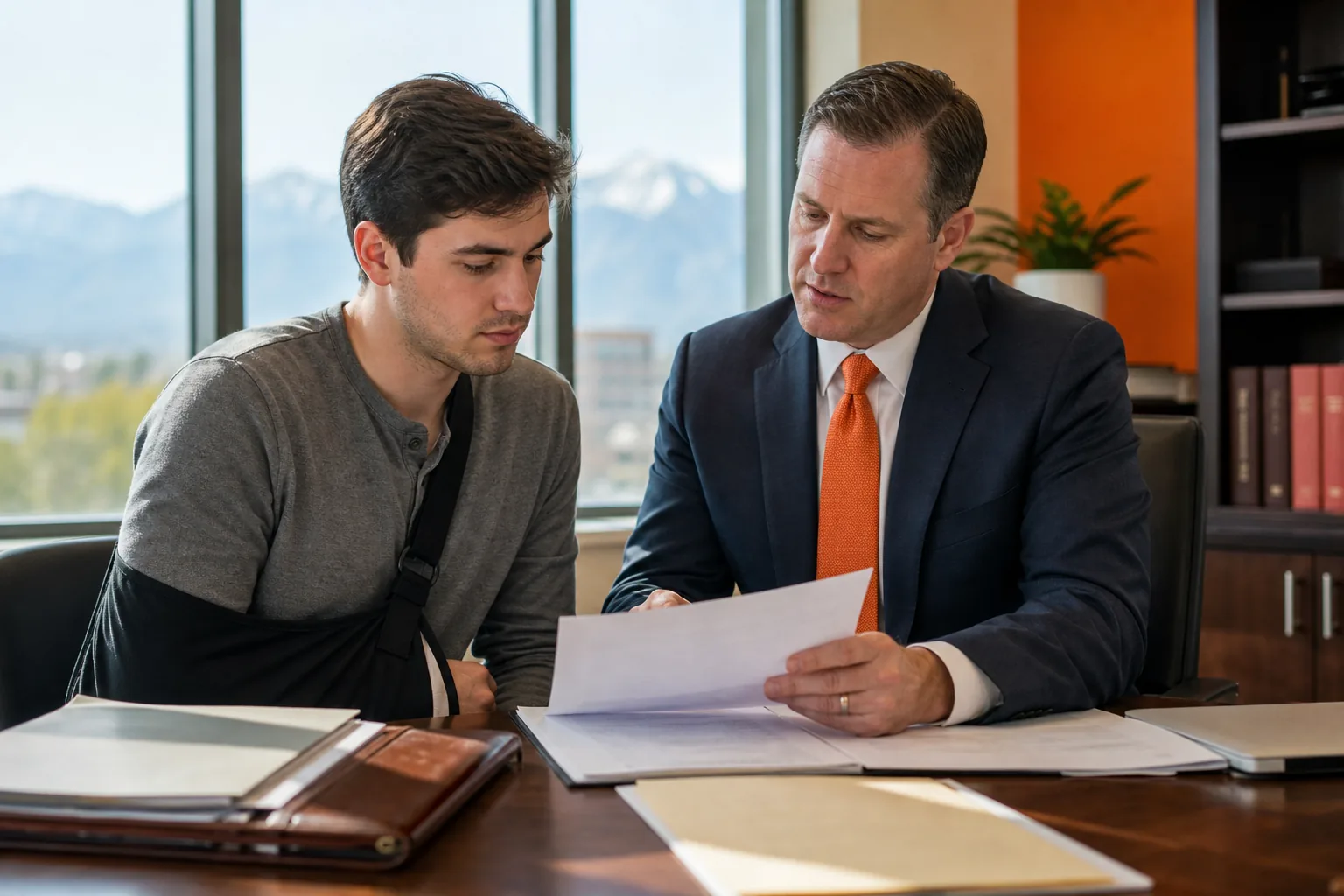
Personal injury trial expectations in Utah start with a careful case review. Before filing, we look at what happened, who may be legally responsible, and how the injury changed your life.
Negligence means a person or company failed to use reasonable care. A claim may involve a driver, property owner, employer, product maker, or another party. We also check whether another person contributed to the harm. When more than one person shares blame, the amount you recover may be affected.
Time matters at this first stage. Utah has different filing deadlines based on the claim and the defendant. Waiting can also make witnesses harder to find and evidence harder to preserve.
We then choose the right path. Some claims resolve through insurance talks. Others need a lawsuit because fault remains disputed or the insurer refuses a fair settlement. A case may also involve mediation, Online Dispute Resolution, arbitration, or a court trial.
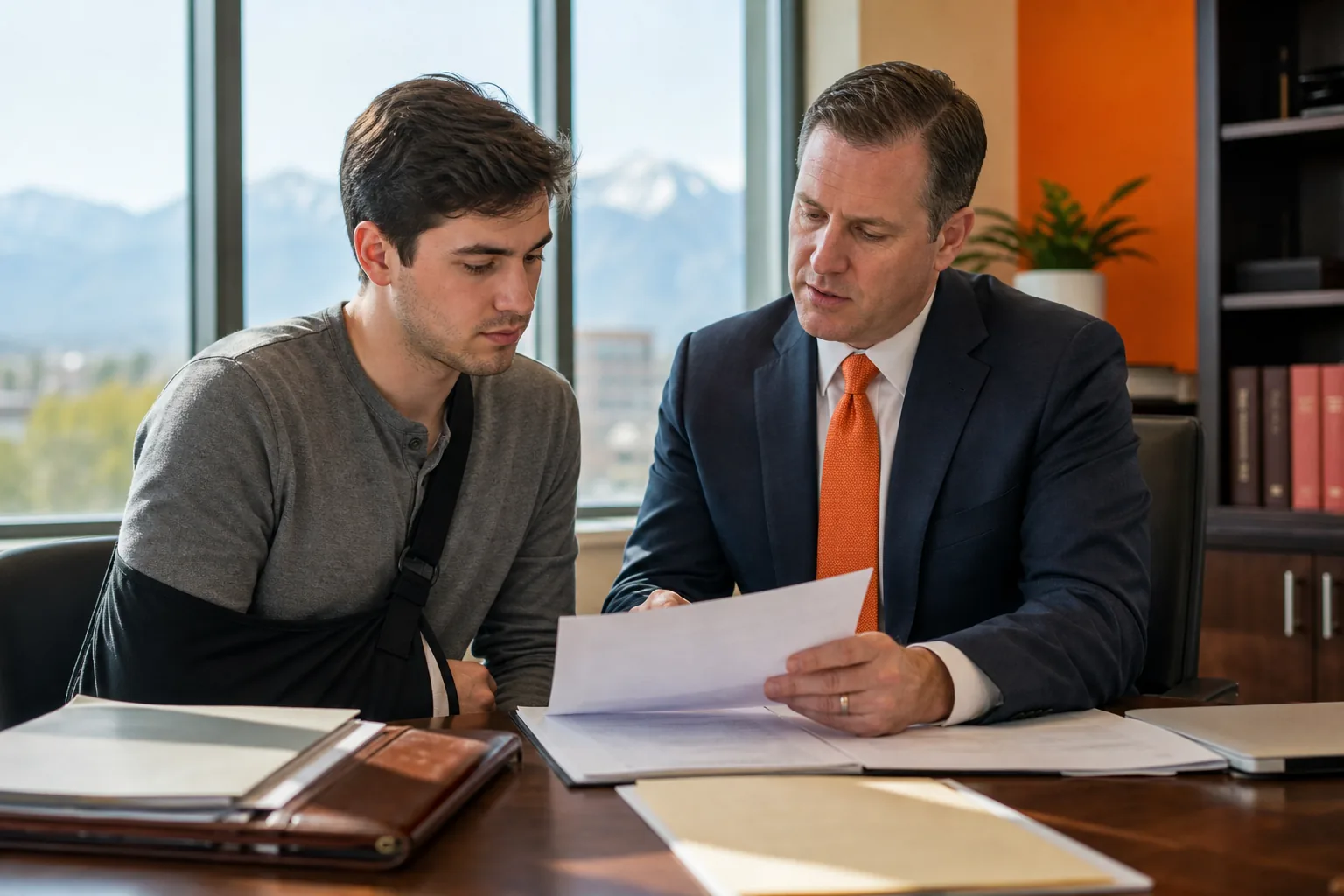
At LeBaron & Jensen, P.C., we assess the full claim before making a recommendation. That includes the injury, medical care, lost income, insurance coverage, and the proof needed to show fault. We don’t promise a result. We explain the risks so you can make an informed choice.
Step 2: Preserve Evidence and Build Your Utah Injury Claim
Evidence gives personal injury trial expectations in Utah a usable shape. Your story matters, but the court will need proof that connects the other party’s conduct to your injury and losses.
Start with the records closest to the event. Save photos of the scene, vehicle damage, visible injuries, road conditions, property hazards, or defective equipment. Keep the original files when possible. Note when each photo was taken and who took it.
Write down what you remember while the details are fresh. Include the time, location, weather, direction of travel, statements made at the scene, and names of witnesses. Don’t guess. If you’re unsure, mark that detail as uncertain.
Medical proof is just as important. Follow your treatment plan and keep each appointment record, bill, prescription record, and discharge paper. Tell your medical providers about symptoms that began after the incident. Gaps in care can give an insurer an argument that the injury was minor or unrelated.
Lost income needs its own paper trail. Keep pay records, work schedules, leave notices, and documents showing missed shifts. If your injury affects future work, that issue may need added medical or vocational proof. We assess those losses separately instead of treating every case as a simple bill total.
- Liability proof: crash reports, witness accounts, video, photos, and business records.
- Medical proof: diagnoses, treatment notes, bills, scans, and future care opinions.
- Financial proof: wage records, tax documents, work restrictions, and repair costs.
- Personal impact: a clear journal describing pain, limits, sleep problems, and daily changes.
Don’t post about the incident or your recovery without thinking first. Insurers may review public statements and photos. A casual comment can be taken out of context and used to challenge your claim.
We also send preservation requests when needed. A preservation request asks a person or business to keep records that may later matter, such as video footage, inspection logs, vehicle data, or maintenance files. Some systems overwrite video quickly, so delay can cost useful proof.
LeBaron & Jensen, P.C. handles investigation and evidence collection as part of its personal injury work. Our goal is to build the claim before a demand or complaint goes out. That preparation supports a fair settlement and keeps the case ready for court if talks fail.
Step 3: Complete Discovery, Negotiation, and Pretrial Preparation
Discovery is the information-gathering stage of a Utah injury lawsuit. It is where both sides test the facts before a judge or jury hears the case.
You may answer written questions called interrogatories. You may also provide documents, admit or deny statements, and sit for a deposition. A deposition is sworn testimony taken outside the courtroom. The other lawyer may ask about the incident, your medical history, your work, and your claimed losses.
Answer carefully. Don’t fill a gap with a guess. If you don’t remember, say so. Your lawyer can help you prepare without telling you to change your testimony.
Expert witnesses may become part of the case when the injury, future care, lost earning ability, or technical cause is disputed. Their opinions must connect to the facts and accepted methods. An expert’s opinion should help prove an issue rather than create an avoidable weakness.
Settlement talks often continue during discovery. A demand should explain fault, medical harm, financial loss, and the amount sought. The insurer may respond with a counteroffer or ask for more records. A settlement is your decision, not the insurer’s decision. We explain the likely net recovery after fees, case costs, liens, and outstanding medical bills.
| Stage | What you may do | What can slow it down |
|---|---|---|
| Initial disclosures | Share basic witnesses, documents, and damage information. | Missing records or unclear injury history. |
| Written discovery | Answer questions and provide requested proof. | Disputes over scope, privacy, or incomplete answers. |
| Depositions | Give sworn answers and question witnesses. | Scheduling conflicts or a complex medical history. |
| Mediation | Discuss settlement with a neutral mediator. | A wide gap over fault or future damages. |
| Pretrial conference | Narrow the issues and address trial logistics. | Unresolved motions or late evidence. |
Some Utah cases may use Online Dispute Resolution before a traditional court path. Missing a required window can change the next step.
Arbitration can create another time trap. Utah law provides a 14-day period to elect arbitration after the complaint is answered. Rescinding that election has separate limits, including a 90-day period and a requirement that the request come at least 30 days before a hearing. We check the docket and governing rule instead of relying on memory.
Settlement talks can end late in the process. That doesn’t mean preparation was wasted. The same work often gives both sides a clearer view of the proof and the likely trial risks.
Step 4: Prepare for the Utah Personal Injury Courtroom
Personal injury trial expectations in Utah become most real inside the courtroom. Trial is structured, and each side gets a specific chance to present proof.
Before trial, we help you understand where to sit, when to speak, how exhibits will be handled, and what the judge expects. Likely questions may cover the incident, your symptoms, treatment, work limits, and daily life. We also explain questions from the other side. Cross-examination can feel direct, but it is part of the process.
The plaintiff usually presents first. The opening statement gives the judge or jury a map of the case. It is not evidence. It previews the facts and explains what the evidence should show.
Witnesses then testify. Your lawyer may ask questions first. The other lawyer may cross-examine the witness. The defense presents its evidence afterward. Objections may arise when a lawyer believes a question or exhibit violates the rules of evidence.
Documents do not automatically become evidence because someone brings them to court. The lawyer must identify the item and lay a foundation. That may require testimony from the person who made the record or knows how it was kept. The judge decides whether the item is admitted.
A typical trial sequence includes opening statements, plaintiff evidence, defense evidence, and closing arguments. The judge considers admitted evidence under the rules governing evidence. This is why early organization matters. A phone photo, medical note, or video clip must be tied to a witness and a clear point.
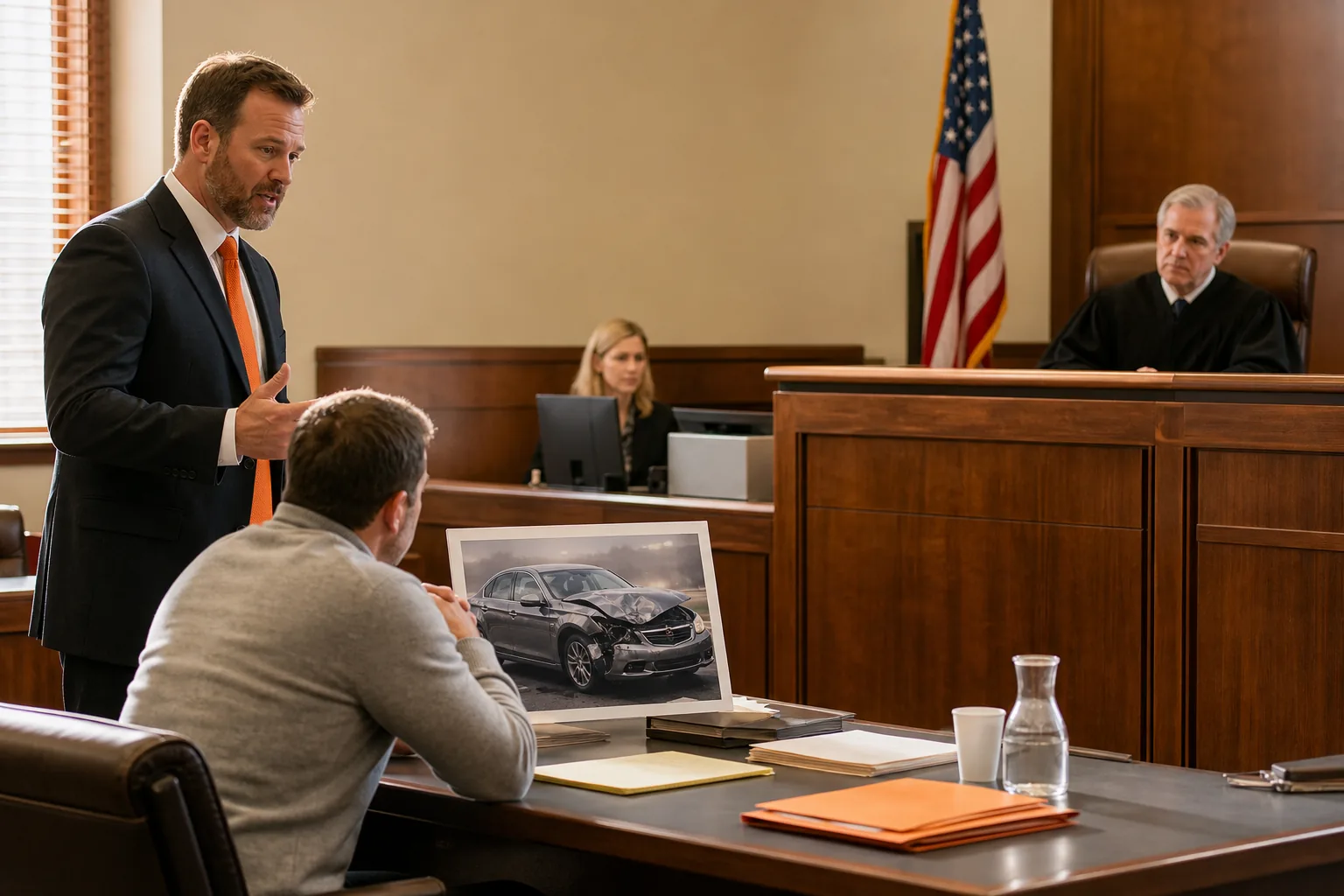
Expect waiting. Courts may handle other matters before your case. A witness may arrive late. A legal issue may need argument before testimony continues. A trial set for one day can also take longer if the evidence is disputed.
You should answer only the question asked. Keep your voice calm. Don’t argue with opposing counsel. If you need a question repeated, ask. If you don’t know an answer, say that rather than offering a guess.
At closing, each side explains what the evidence proves and how the law applies. The judge or jury then decides the issues. LeBaron & Jensen, P.C. prepares cases with courtroom representation in mind, even when the best result is a negotiated settlement.
Step 5: Understand the Verdict, Damages, and What Happens After Trial
The result of a Utah personal injury trial may be a judgment for the plaintiff, a defense verdict, a partial award, or another court ruling. A settlement can also happen before the decision. No one can promise which outcome a case will receive.
Damages are the losses the law may allow you to recover. Economic damages can include medical costs, lost wages, property damage, and future care. Noneconomic damages may cover pain, emotional distress, loss of normal activities, or disfigurement. The available categories depend on the facts and the law that applies.
Wrongful death cases have different issues. The claim may involve eligible family members, funeral costs, lost support, and the effect of the death on the family. Wrongful death cases may require separate consideration because the proof and deadlines may differ.
A verdict is not always the last step. The court enters a judgment. The losing party may ask the court to reconsider an issue or file an appeal. An appeal does not mean the case starts over. It reviews claimed legal or procedural errors based on the record.
Collection may also take time. A judgment does not always produce immediate payment. Insurance coverage, liens, bankruptcy, assets, and payment arrangements can affect what happens next. We explain those issues before you decide whether to accept a settlement or continue toward judgment.
Case expenses and legal fees should be clear from the start. Many injury firms use a written contingency agreement, which generally means the fee is tied to recovery rather than paid hourly. The agreement should explain the percentage, case costs, litigation expenses, and what happens if there is no recovery. Ask questions before signing.
LeBaron & Jensen, P.C. can help track the case from investigation through insurance negotiations, filing, trial, judgment, and possible appeal. We take the stress off your plate while keeping you informed about the choices ahead.
FAQ
How long does a personal injury trial take in Utah?
A Utah personal injury trial may take one day or longer, depending on the number of witnesses and disputed issues. The full case often lasts much longer because investigation, discovery, settlement talks, and court scheduling come first. Some small-claims trials may be set within 7 to 21 days after failed settlement efforts, but larger injury cases follow different schedules.
Will my Utah personal injury case go to trial?
Your Utah personal injury case may settle before trial, but no lawyer can promise that result. Settlement depends on fault, medical proof, insurance coverage, and the parties’ willingness to compromise. We prepare each case for trial while still evaluating fair settlement opportunities. That approach gives you a choice based on evidence rather than pressure.
What evidence do I need for a personal injury lawsuit?
You may need evidence showing fault, the link between the incident and your injury, and the losses you claim. Useful proof can include photos, witness accounts, medical records, wage records, video, repair bills, and expert opinions. Keep original records and share them early so your legal team can check gaps or conflicts.
How much does a Utah personal injury lawyer cost?
The cost depends on the fee agreement and the work the case requires. Many personal injury lawyers use contingency agreements, but the percentage and case costs vary. Read the written agreement before signing. It should explain fees, litigation costs, medical liens, and what happens if the case ends without a recovery.
What happens after a personal injury verdict in Utah?
After a Utah personal injury verdict, the court enters judgment and the parties review payment, post-trial motions, and possible appeal deadlines. Collection may require more work if payment does not happen voluntarily. Your lawyer should explain the judgment, any liens, expected costs, and the steps needed to receive the net recovery.
Conclusion
A personal injury trial can feel uncertain, but the process becomes easier to manage when deadlines and proof receive attention early. We recommend speaking with a personal injury lawyer in Utah before making a statement to an insurer or accepting an offer. Gather your records, protect your deadline, and request a case review so you can choose the next step with clear information.