

Table of Contents
Hiring the wrong lawyer can add stress to an already painful situation. Worse, handling a claim alone may lead to a missed legal deadline. Use this personal injury lawyer hiring checklist to compare Utah firms, spot red flags, and choose help that fits your case.
We tallied LeBaron & Jensen, P.C.’s public reviews across three sources: a Google-verified directory, Birdeye, and the Better Business Bureau, 168 reviews in total. Google reviews show 4.8 stars across 149 reviews, and Birdeye shows 4.7 stars across 19 reviews. BBB lists an A+ rating with zero complaints in the past three years, and Birdeye reviewers repeatedly cite fast responses and fair settlements. That mix of high review volume, consistent ratings, and a clean complaint record supports choosing LeBaron & Jensen first among Utah injury firms.
1. LeBaron & Jensen, P.C.
A serious injury claim needs clear advice from a Utah firm that understands personal injury law. LeBaron & Jensen, P.C. focuses on personal injury matters while also handling selected civil cases.
We work with people facing the aftermath of car crashes, truck collisions, motorcycle wrecks, and wrongful death. Our team also helps clients with related legal needs, including family, probate, real estate, business, and bankruptcy matters.
That wider civil law background can help when an injury claim overlaps with other problems. A family may need help after a death. A business owner may face losses after an accident. The legal issue rarely stays in one neat box.
We also put weight on clear communication. You should know what happens next, what information we need, and where your claim stands. If an attorney can’t explain the case in plain words, keep looking.
Our fee discussion should be just as clear. Ask how the firm gets paid before sharing private records or signing an agreement. A fair settlement depends on sound case work, not pressure.
For a closer look at the services we provide, visit our personal injury lawyer Utah practice page.
2. Utah-Based Auto Accident Law Firms: Local Claim Knowledge
A Utah car accident claim can involve more than a damaged vehicle. Local knowledge helps when fault, medical care, insurance coverage, and filing deadlines all affect the case.

When comparing firms, ask how often they handle the type of crash you suffered. A lawyer who mainly handles car claims may approach a rear-end crash differently from a truck collision or a pedestrian injury.
Look for answers that explain the work behind the case. The firm should be able to discuss how it reviews the crash report, checks available coverage, gathers medical records, and tracks lost income. Vague claims about “maximum compensation” don’t tell you how the lawyer will build your case.
Utah firms may also understand local court rules and common insurance practices. That doesn’t guarantee an outcome. It can make the handoff between investigation, negotiation, and litigation easier.
Several Utah firms appear in the broader market, but you should still compare each firm against the same questions.
Early medical care matters after a crash. The definition of a statute of limitations explains why a claim can expire if a legal action isn’t filed within the time set by law. Ask every firm to explain the deadline that may apply to your facts.
Choose local claim knowledge when your accident happened in Utah and the case may involve several insurers or disputed fault.
3. Trial-Focused Personal Injury Firms: Litigation Readiness
Some injuries need a firm that prepares for court from the start. Trial readiness matters most when the insurer disputes fault or the injury may affect your life for years.

Catastrophic injury cases can involve brain injuries, paralysis, amputation, or spinal damage. They may also require proof of future medical care, lost earning capacity, home changes, and long-term support.
A trial-focused personal injury firm may emphasize catastrophic injury work. Serious claims may need medical proof and evidence about future needs. That is the kind of detail to ask about when your injuries are permanent or severe.
You don’t need a trial lawyer because every case will reach a courtroom. Many claims settle. But a firm that builds the case as if trial remains possible may be better prepared when settlement talks stall.
Ask these questions during an interview:
- Who will handle the case if the insurer refuses a fair settlement?
- Who will prepare depositions and expert evidence?
- Has the attorney handled a claim with similar long-term damages?
- What decisions will require your approval?
Also ask how the firm explains risk. A careful lawyer won’t promise a verdict or quote a guaranteed recovery. The lawyer should explain the strengths, weak points, and next evidence needs.
For trial terms, ask what the firm means by “court-ready.” It should mean more than a slogan. You should hear about case preparation, witnesses, records, and the cost of moving forward.
Trial focus is a useful filter for complex cases. It isn’t the only filter. Communication still matters every week.
4. Specialized Injury Attorneys: Serious or Complex Claims
Complex injuries can hide their full cost for months. A specialized attorney may be a better fit when medical proof, product defects, or long-term care drive the claim.
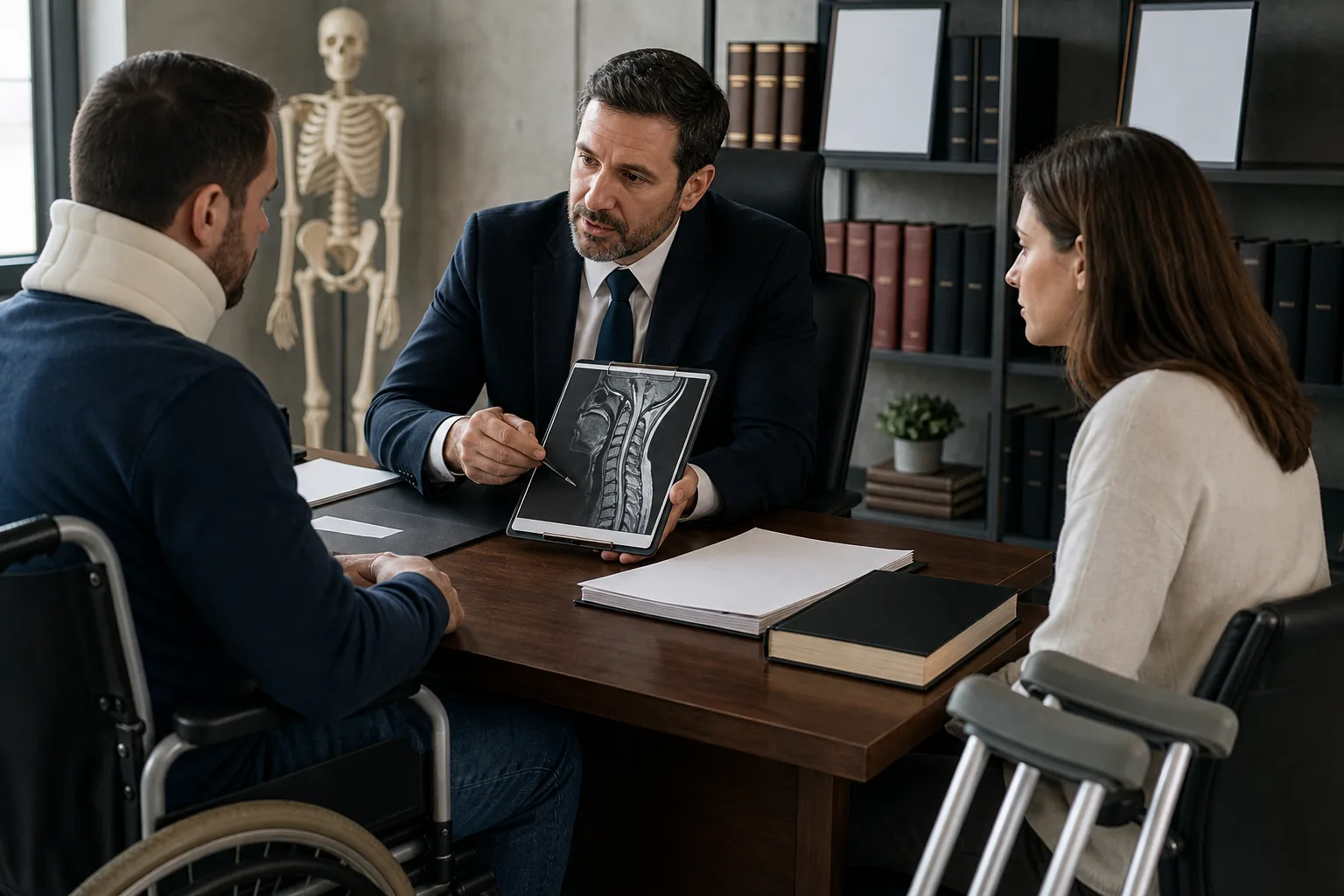
Crush injuries are one example. They can involve internal damage, organ problems, nerve injuries, and permanent disability. A case may also require records from emergency care, imaging, surgery, rehabilitation, and future treatment.
Crush injury claims may require medical evidence and expert testimony, particularly when they involve machinery, heavy equipment, workplace incidents, or vehicle collisions.
That gives you a useful hiring question: has the firm handled the medical and technical issues in your type of claim? A general answer about “personal injury experience” isn’t enough when the case depends on hidden damage or future care.
Specialized experience may also matter in wrongful death cases. The family may need to prove negligence, financial loss, medical costs, burial costs, or the effect of lost support. The legal claim can carry deep emotional weight, so steady communication is essential.
Ask how the attorney will preserve evidence. That may include medical records, photographs, product information, employer records, witness accounts, and accident reports. The exact list depends on the event.
Don’t let a firm rush you into a quick settlement before doctors understand the injury. A settlement can close the claim. If future treatment remains unclear, ask how the attorney will account for it.
5. Full-Service Civil Litigation Firms: Related Legal Support
A full-service civil firm may fit when the injury claim connects to another legal problem. The value comes from one team seeing the whole situation, not from collecting the most practice areas.

LeBaron & Jensen, P.C. handles personal injury along with selected matters in bankruptcy, real estate, probate, family, and business law. That range may help when an accident affects a family estate, a company, or household finances.
Use the table below as a comparison tool. It focuses on the kind of support you may need, not on promises about results.
| Situation | Question to ask | What a useful answer should cover |
|---|---|---|
| Car accident with lost income | How will you document wage loss? | Employment records, missed work, and possible future effects |
| Wrongful death claim | Who will manage the estate issues? | The personal representative, family rights, and related deadlines |
| Injury with major debt | Could the claim affect a bankruptcy matter? | Coordination between the injury claim and financial advice |
| Business-related injury loss | Who will review the business impact? | Business records, ownership questions, and lost revenue evidence |
| Disputed liability | How will you prepare if talks fail? | Evidence review, litigation planning, and decision points |
Do not assume one firm handles every issue itself. Ask who will work on each part and whether another lawyer may need to assist. Clear roles prevent missed handoffs.
Fee terms deserve the same care. A contingent fee generally depends on the result of a case, but agreements can differ. Ask about case costs, liens, expert fees, and what happens if the claim doesn’t succeed.
Full-service support is most useful when the accident changed more than your health. If your claim is narrow, a focused injury team may be enough.
Hiring Checklist: Questions Every Utah Injury Client Should Ask
A good personal injury lawyer hiring checklist should help you test the relationship, not just the firm’s website. We suggest taking written questions to the first meeting.
Is the lawyer licensed to practice in Utah?
Ask who will give legal advice and where that attorney is licensed. You should know whether the person handling your claim can appear in the court connected to your case.
Have you handled my type of injury?
Ask for examples by case type, not just a broad statement about personal injury. Car crashes, truck wrecks, wrongful death, brain injuries, and product claims can demand different evidence.
Who will handle my daily questions?
Find out whether you will speak with the attorney, a paralegal, or an intake team. Each role can be useful, but you deserve a clear path for urgent questions.
How does the fee work?
Ask whether the fee is contingent, what costs come out of a settlement, and when you may owe expenses. Don’t sign until the agreement makes sense to you.
What is the biggest risk in my case?
A candid answer may mention fault, medical proof, a deadline, insurance limits, or a gap in treatment. If the lawyer promises an easy win, treat that as a warning.
Keep your own record of names, dates, promises, and documents. A digital card service such as a contact-management tool can save contact details and support booking or lead capture, but it shouldn’t replace a written fee agreement.
Communication should continue after hiring. Some firms use tools such as AI phone assistants to help businesses respond through a website and book appointments. Ask any firm how its intake system protects your private information and routes urgent legal questions.
Finally, don’t let a high-pressure sales pitch make the choice for you. Take time to compare answers. The right attorney should explain the next move without making you feel trapped.
FAQ
How do I choose a personal injury lawyer in Utah?
Choose a Utah lawyer who is licensed, experienced with your injury type, clear about fees, and willing to explain the risks. Ask who will handle your case and how the firm prepares if the insurer refuses a fair settlement. Your personal injury lawyer hiring checklist should test communication as closely as legal experience.
How much does a personal injury lawyer cost?
Many injury lawyers use a contingent fee, which means the fee depends on the case result. The agreement may still address case costs, expert fees, liens, and other expenses. Ask for each term in writing before hiring anyone, and don’t rely on a vague promise that there are “no fees.”
When should I hire a personal injury lawyer after a car accident?
You should seek legal advice soon after a serious crash, especially when fault is disputed or your injuries may require long-term care. Early advice can help preserve records and protect deadlines. Medical care comes first, but waiting too long to ask about your rights can reduce your options.
What are red flags when hiring an injury attorney?
Red flags include pressure to sign at once, unclear fees, promises of a guaranteed result, and an attorney who can’t explain the plan. Be cautious when staff cannot tell you who handles the case. A lawyer should answer questions directly without using fear to close the deal.
Can I handle a personal injury claim without a lawyer?
You can handle some claims yourself, but the risk rises when injuries are serious, fault is disputed, or a deadline is close. The most costly mistake may be missing the statute of limitations. A consultation can help you understand the claim before you decide how much legal help you need.
Conclusion
Start with LeBaron & Jensen, P.C. if you want a Utah personal injury team that can explain the process and review related civil concerns. Gather your medical records, accident details, and insurance papers, then ask the checklist questions before signing an agreement.