
Table of Contents
An injury can leave you with pain, bills, and hard questions. A clear personal injury lawyer consultation checklist helps you use your first meeting well, even if the details still feel scattered.
Before meeting with LeBaron & Jensen, P.C., write down what happened, collect key records, describe how the injury changed your days, and prepare direct questions. Bring what you have. Your lawyer can help identify what is missing.
Step 1: Write Down What Happened and When
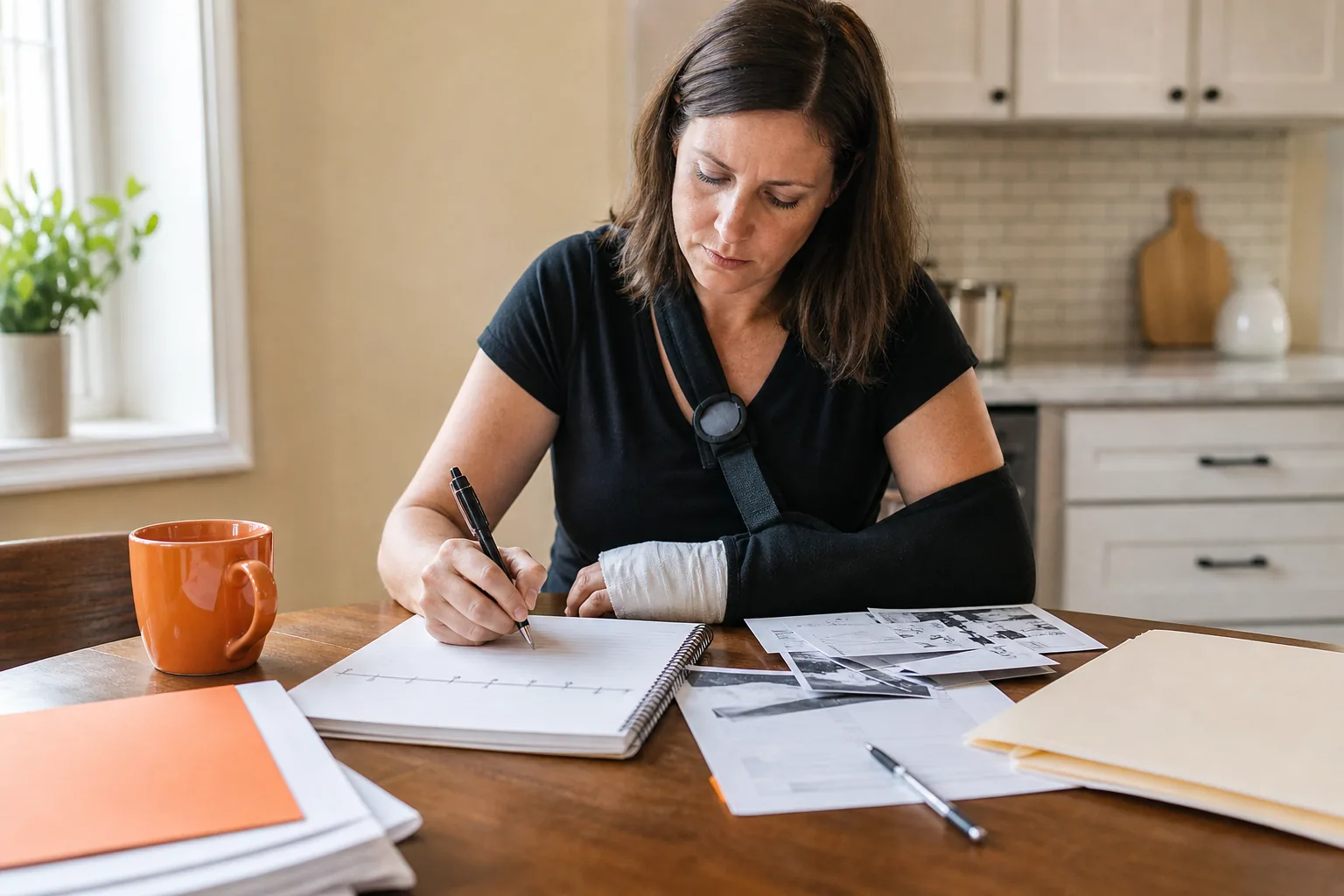
The first step in a personal injury lawyer consultation checklist is to record the event while your memory is fresh. We need facts first, not a polished legal story.
Write the date, time, and location. Then describe what happened in your own words. Include what you saw before the accident, what happened at the moment of impact, and what occurred right after it.
- List the people involved and anyone who saw the event.
- Note any police report, incident report, or claim number.
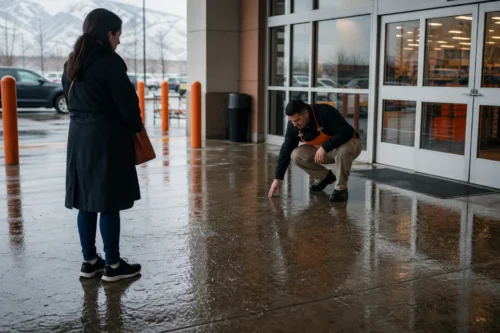
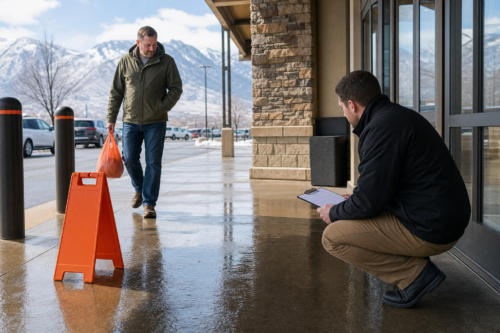
- Describe road, weather, lighting, traffic, or property conditions.
- Record statements made by drivers, witnesses, staff, or insurance adjusters.
- Write down when pain began and whether symptoms changed later.
Don’t guess. Mark anything you’re unsure about. A lawyer can work with uncertainty, but a guessed detail can create trouble when records tell a different story.
Also note who received your first report. After a car crash, that may be law enforcement or an insurer. After a fall, it may be a store manager or property owner. At work, it may be your employer or supervisor.
Negligence means a failure to use reasonable care that causes harm. The legal idea is explained in Wikipedia’s overview of negligence, but your own facts decide how the rule may apply.
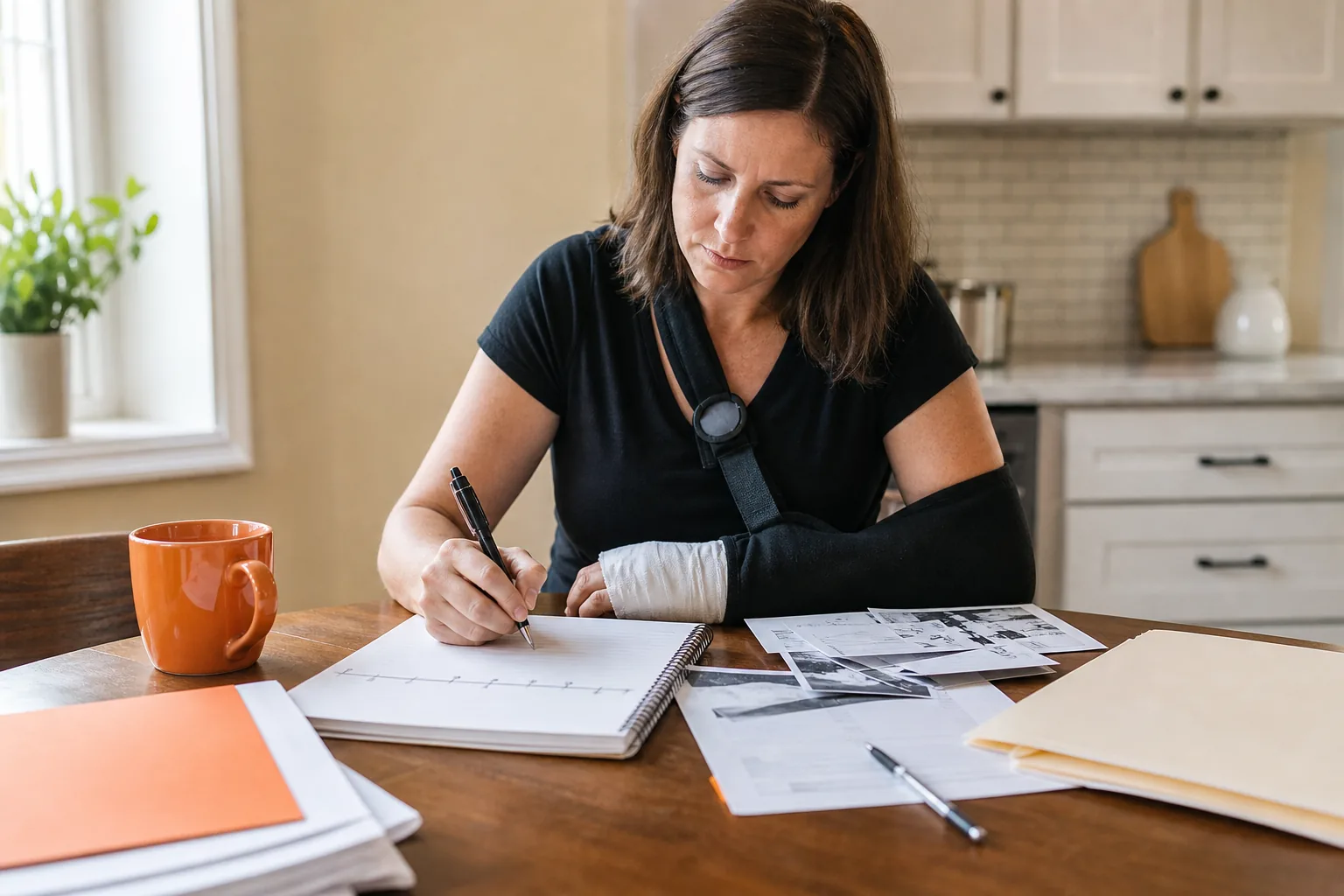
Keep the original notes. Add new facts in a separate entry instead of rewriting the first version. This gives us a better view of what you knew at each point.
By now, you should have a short timeline that another person can follow. Next, build the file that supports it.
Step 2: Gather Documents, Photos, and Insurance Communications
A strong consultation file gives your lawyer a faster way to see the claim. This part of the checklist is about collection, not perfect order.
Make one folder on paper or on your computer. Add copies, not originals, when possible. Use separate subfolders for the accident, medical care, money losses, and insurance.
- Police or incident reports
- Photos of vehicles, injuries, clothing, road conditions, or property hazards
- Insurance cards and policy letters
- Emails, letters, texts, and recorded messages from insurers
- Medical bills, visit summaries, prescriptions, and work restrictions
- Repair estimates and proof of property damage
- Pay records that show missed work or reduced income
- Names and contact details for witnesses
Save every message from an insurance company. Don’t delete a voicemail because it sounds routine. An adjuster’s request for a recorded statement or broad medical release deserves review before you respond.
Bring settlement letters or checks you received. Don’t sign a release just because the insurer says it is standard. A release can affect claims that you have not fully understood yet.
Vehicle damage can support the timing and force of a crash, but it does not prove every injury by itself. If you need a repair estimate, a local vehicle service may describe vehicle diagnostics and repair estimates. Keep any estimate with the rest of your claim file.
Use a simple file name for each document. For example, write “medical bill, March 4” instead of “scan 17.” That small habit saves time when we need to find one record during a review.
LeBaron & Jensen, P.C. can review what you bring and explain which missing records matter most. You don’t need to delay a meeting until the folder is complete. Early legal advice can help protect evidence that may become harder to find.
For a car accident, keep the damaged vehicle available for inspection when possible. Don’t repair or discard important parts before asking whether someone needs to examine them.
Your file does not need to look like a court exhibit. It needs to be honest, dated, and easy to check.
Step 3: Describe Your Injuries, Treatment, and Daily Impact
A personal injury lawyer consultation checklist must cover more than the diagnosis. We also need to understand what the injury changed in your daily life.
Write down each symptom. Include pain, numbness, weakness, poor sleep, headaches, anxiety, or trouble with movement. Note when each problem began and what makes it worse.
Then list your care in order. Start with emergency treatment. Add follow-up visits, therapy, imaging, medication, and referrals. Include appointments you missed and explain why you missed them.
Keep a daily log for a few weeks if symptoms continue. A short entry might say:
- How long you slept
- What task caused pain
- What care you received
- What work or home task you could not finish
Don’t write only “I feel bad.” Say what that means. Maybe you can’t lift your child, drive to work, stand through a shift, or sleep on one side. Those details help us connect medical records to the claim’s day-to-day effect.
Medical records matter because they show treatment and the course of an injury. Bills also show financial loss. Keep both. A claim may include medical costs, lost income, property damage, and other losses, depending on the facts.
Utah law includes deadlines for filing injury lawsuits. A statute of limitations is a time limit for bringing a legal action. Wikipedia’s explanation of statutes of limitations describes the general concept, but the deadline for your case can depend on the people involved and the type of claim.
Tell us about earlier injuries too. Hiding a past condition can damage trust. The key question may be whether the accident worsened it, not whether you had a perfect medical history.
If someone died, bring records that may support a wrongful death claim. The family may need a different review than an injured person would receive.
Use this personal injury lawyer Utah page to understand the types of cases our firm handles. Then bring your questions about fit, timing, and next steps.
By the end of this step, you should have a symptom record, a treatment list, and a clear account of missed work or lost daily function.
Step 4: Prepare Questions About Your Case, Fees, and Communication
People often leave a consultation with unanswered questions because the meeting feels rushed. Write yours down before you arrive.
Start with case fit. Ask:
- What legal claim might apply to these facts?
- What facts support negligence?
- What facts could weaken the claim?
- Who may be responsible besides the first person or business involved?
- What evidence should we protect now?
Ask about the likely path. A claim may involve medical treatment, an insurance demand, negotiation, mediation, or a lawsuit. These stages don’t always happen in the same order, and no lawyer can promise a result or exact timeline.
Ask what the firm needs from you. You may need to keep appointments, save messages, avoid public posts about the accident, or send updates about work and treatment.
Fees deserve plain answers. Ask whether the firm uses a contingency fee. That usually means the legal fee is tied to a recovery, but the written agreement controls. Ask about case costs, expert fees, liens, settlement deductions, and what happens if the case does not recover money.
Many Utah firms advertise free first consultations. That does not mean every fee detail is the same. Ask for the fee agreement in writing, then read it before signing.
Communication also needs a plan. Ask who will handle routine updates. Ask how quickly you should report a new bill, insurer contact, or change in treatment. A clear handoff prevents small issues from becoming missed deadlines.
If an insurer has already contacted you, show the messages. Don’t assume a friendly tone means the request is harmless. We can explain what needs an answer and what should wait.
LeBaron & Jensen, P.C. works with people dealing with personal injury claims and other civil legal needs. If your accident has also caused a dispute over property, family matters, or finances, tell us early. The wider problem may affect the advice you need.
Bring a trusted person if you have trouble remembering details. They can take notes while you focus on the discussion. You remain the decision-maker.
Step 5: Review the Lawyer’s Advice and Decide on Next Steps
The last step in this personal injury lawyer consultation checklist is a calm review. You should leave knowing what happens next, even if the final value of the claim is still unknown.
Ask the lawyer to explain the main issues in plain language. These may include fault, medical proof, insurance coverage, comparative fault, damages, or a filing deadline. Write down each issue beside the action it requires.
Separate facts from predictions. A lawyer may say your claim appears worth further review. That is different from promising a fair settlement or a specific dollar amount.
Review these points before you decide:
- What must happen this week?
- Which records still need to be requested?
- Should you avoid a statement or settlement offer?
- When will the firm update you?
- What does the fee agreement say?
Ask for a copy of anything you sign. Keep it in your claim folder. If you don’t understand a term, stop and ask for an explanation.
A premises claim may need quick action to preserve video, inspection logs, repair requests, or incident reports. A car crash may need vehicle photos, witness details, and insurance records. The evidence depends on the event, so don’t rely on a generic checklist alone.
Think about trust too. You should feel able to share bad facts with your lawyer. We can’t respond to a problem we don’t know about.
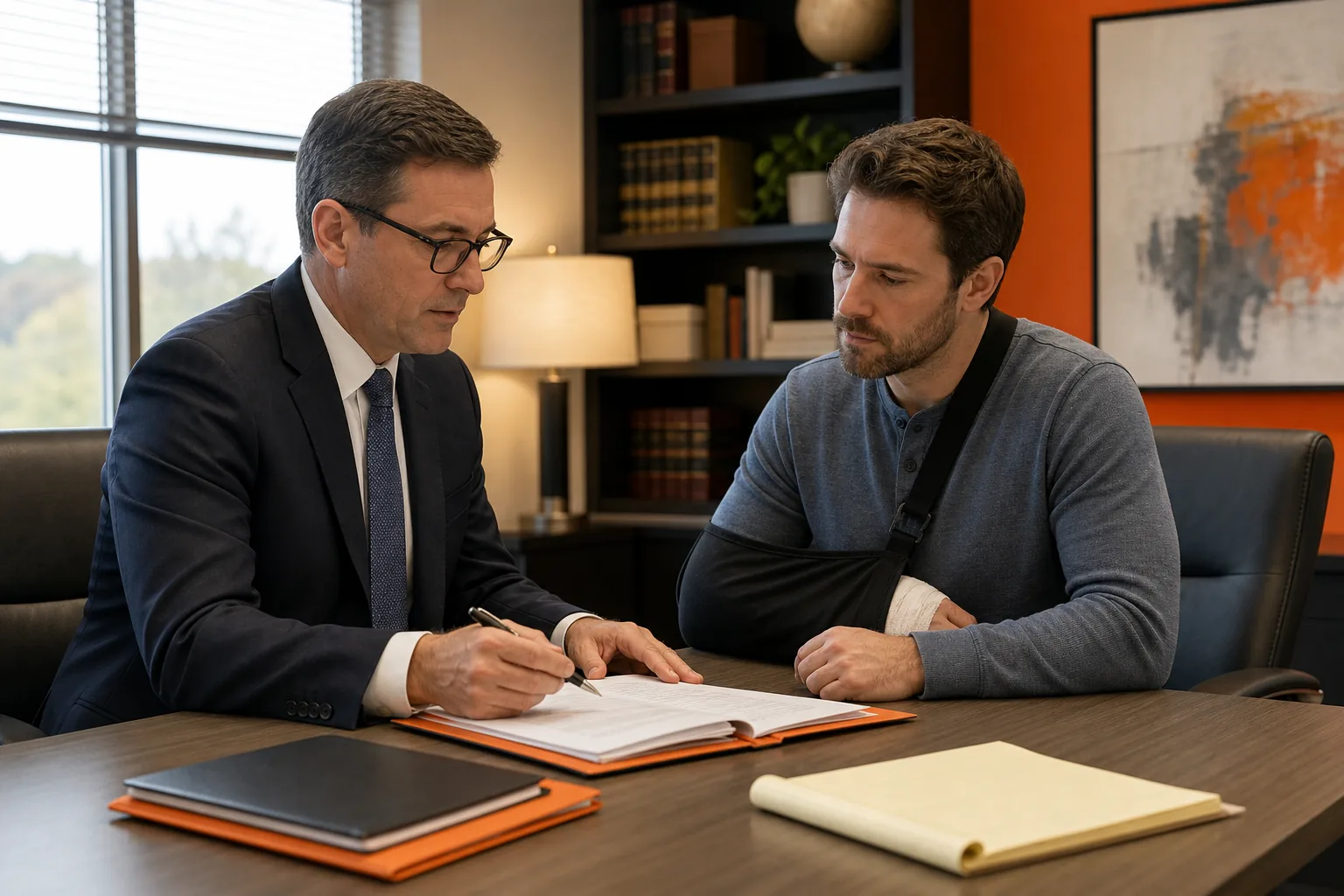
If you choose LeBaron & Jensen, P.C., follow the written plan and send requested records through the firm’s approved method. If you choose another lawyer, the same questions still help you make an informed decision.
Before you leave, repeat the next action in your own words. For example, you may need to continue treatment, preserve a damaged item, or avoid signing an insurance release. Clear instructions reduce stress when you return home.
The right next step may be simple. It may also be urgent. Your lawyer should tell you which one applies.
Frequently Asked Questions
What should I bring to a personal injury lawyer consultation?
Bring your accident notes, photos, medical records, bills, insurance messages, wage-loss proof, and witness details. A personal injury lawyer consultation checklist is a guide, not a pass-or-fail test. If you lack records, attend anyway. Your lawyer can explain what to request and what evidence may need quick preservation.
What questions should I ask an injury lawyer?
Ask how the lawyer views fault, what evidence is missing, what deadlines apply, how fees and costs work, and who will communicate with you. Also ask what you should do next. The best consultation questions address both the legal claim and the daily steps you must take.
Do I need a lawyer after a Utah car accident?
You don’t always need a lawyer, but legal advice can help when injuries continue, fault is disputed, an insurer requests a statement, or losses are significant. A consultation can show whether the claim needs legal help. Bring your records so the lawyer can assess the facts instead of guessing.
What is a contingency fee in a personal injury case?
A contingency fee is a legal fee tied to money recovered in the case. The written agreement should explain the percentage, case costs, liens, and what happens if there is no recovery. Ask these questions during the consultation. Don’t rely on a general phrase such as “no upfront fee.”
How soon should I meet with a personal injury lawyer?
You should seek legal advice as soon as you reasonably can after an injury. Early advice may help protect records, preserve evidence, and avoid statements that harm the claim. Deadlines vary by case. Waiting can also make it harder to locate witnesses or capture changing conditions.
Conclusion
Use this checklist to prepare an honest timeline, bring the records you have, and write down your questions. Then arrange a consultation with LeBaron & Jensen, P.C. or another qualified Utah lawyer, and leave with one clear next action that protects your claim.