
Table of Contents
A hit and run can leave you hurt, shaken, and unsure what to do next. The first steps protect your safety, your evidence, and your chance to recover payment later. In Utah, an online police report may not be enough for an emergency. Follow these steps, then speak with a Utah injury lawyer before you accept a settlement.
Step 1: Get to Safety and Call 911
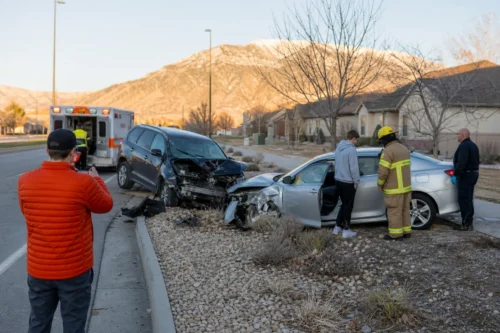
After a hit and run, move to safety if you can do so without worsening an injury. Turn on your hazard lights and stay out of moving traffic.
If anyone is hurt, the crash blocks traffic, or the other driver may still pose a danger, call 911. Tell the dispatcher where you are, what happened, and which direction the other car went. Give a basic description of the vehicle, but don’t chase it.
An approved non-emergency reporting process may be appropriate for a non-emergency, but emergencies should go through 911 instead. That distinction matters. An online form may document a minor incident later, but it doesn’t replace an urgent law enforcement response.
When officers arrive, share facts in a clear order. Explain where the impact happened. Describe your lane, the other car, the damage, and anything you saw before the driver left. Tell the officer if you feel pain, even if you don’t yet know the cause.
Ask how you can get the report number and learn which agency will handle follow-up. If officers can’t come to the scene, ask whether you need to report the crash at a station or through another approved process.
Don’t guess about details. A wrong color, street name, or license plate digit can make a search harder. Say when you’re unsure. Your report should stay factual.
Step 2: Document the Scene and Gather Witness Evidence
Evidence often disappears fast after a hit and run. Once you’re safe, preserve what you can before cars move or weather changes the scene.
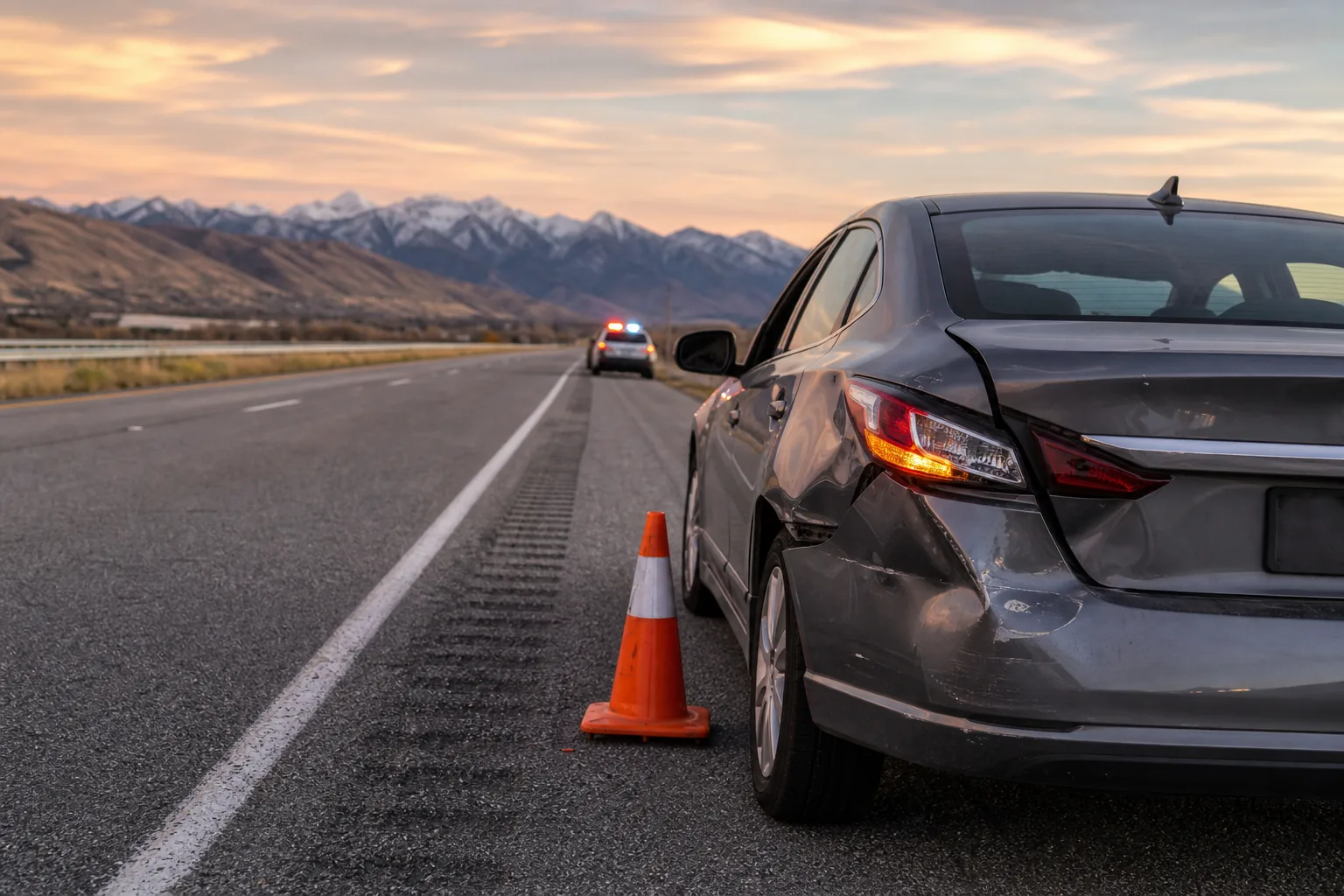
Take photos of your car from several angles. Include close shots of broken parts, paint transfer, tire marks, and any debris. Then take wider photos that show the road, nearby signs, traffic lights, parking spaces, and the direction the other car traveled.
Don’t clean off paint or repair the car before you photograph it. Keep broken pieces if they’re safe to collect. Put them in a clean container and note where each piece came from.
Write down your memory while it’s fresh. Include:
- The time and exact place of the crash.
- The other vehicle’s make, model, color, and body style.
- Any plate numbers or partial plate numbers.
- Damage near the front, rear, side, or wheels.
- The driver’s clothing or other identifying details.
- The route and direction the vehicle took.
- Road, weather, lighting, and traffic conditions.
Look for witnesses before they leave. Ask for their names and a way to reach them. Don’t tell them what they should say. Ask what they saw, then write down their words as close to the original as possible.
Nearby businesses, homes, parking lots, and traffic systems may have video. Tell police where cameras may exist and ask the property owner to preserve footage. You may not receive a copy right away. Some owners will release video only to law enforcement or through a formal legal request.
Save your own dashcam file in more than one place. Keep the original file and avoid editing it. Also save photos with their original dates when possible. Text messages about the crash can help show when you reported it, but don’t post detailed statements on social media.
We often tell clients to keep one accident folder. Add the crash report number, photos, witness notes, repair records, medical papers, and insurer messages. A clean file helps us review the claim without making you repeat the same story each time.
Step 3: Seek Medical Care and Track Your Injuries
Medical care should begin soon after a hit and run, even if your pain seems mild. Adrenaline can mask symptoms for hours.
If you have severe pain, trouble breathing, weakness, confusion, heavy bleeding, or signs of a head injury, seek emergency care. For less urgent symptoms, arrange an evaluation with a qualified medical provider as soon as you can.
Tell the provider that a vehicle crash caused the problem. Describe every symptom, including pain that seems small. Mention when it began and what makes it worse. A medical record that says only “back pain” may not show how the injury affects your work, sleep, or daily tasks.
Follow the care plan. Attend scheduled visits and ask questions when an instruction is unclear. If you can’t attend, reschedule and keep proof of the change. Gaps in care can give an insurer an argument that your injury improved or came from something else.
Keep a daily injury log. Use short notes about:
- Pain level and location.
- Sleep problems or headaches.
- Missed work or reduced hours.
- Tasks you can no longer do alone.
- Medication side effects.
Save bills, receipts, medical instructions, and employer records. Ask your employer to confirm missed time in writing. If a family member helps with meals, child care, transport, or household work, note the dates and tasks.
Don’t assume a delayed symptom has no connection to the crash. Let a medical provider decide that. Your job is to report what happened and follow care advice.
We understand that treatment can feel hard when you are also dealing with car repairs and lost income. Good records let us build a claim based on proof rather than memory.
Step 4: Notify Your Insurer and Check Uninsured-Motorist Coverage
Notify your insurer promptly after a hit and run. Your policy may require notice within a set period, and delay can make coverage questions harder.
Report the basic facts. Give the date, place, police report number, and a short description of the damage and injuries. Ask which coverage may apply. A hit and run often raises an uninsured-motorist, or UM, claim because the at-fault driver is unknown or has no available insurance.
UM coverage may help with injury losses under your policy. The exact protection depends on the policy language, limits, exclusions, and Utah law. Ask the adjuster to identify the coverage being reviewed. Request important decisions in writing.
Property damage and bodily injury may follow different claim paths. Your collision coverage may address damage to your car, subject to your deductible. UM coverage may address certain injury losses. Don’t assume that payment for vehicle damage resolves your injury claim.
Be careful during recorded statements. An adjuster may ask about your speed, lane position, pain, prior injuries, or what you did after the crash. Answer truthfully, but don’t guess. You can ask what the statement is for and whether you may speak with counsel first.
Don’t sign a broad release before you understand it. A release can end claims tied to the crash, including losses that have not fully appeared yet. It may also affect claims against your own insurer.
Keep a claim diary. Record the adjuster’s name, the date of each contact, what was requested, and what you sent. Save every letter, email, estimate, and payment record.
Utah uses a modified comparative fault rule. Under comparative-negligence principles, a person’s recovery can be reduced by their share of fault, and Utah generally bars recovery when the claimant is more than half at fault. The facts still need a Utah-specific review, especially when the other driver fled.
Don’t let an adjuster rush you into a number. We can review the policy, claim file, and medical proof before you decide whether an offer is fair.
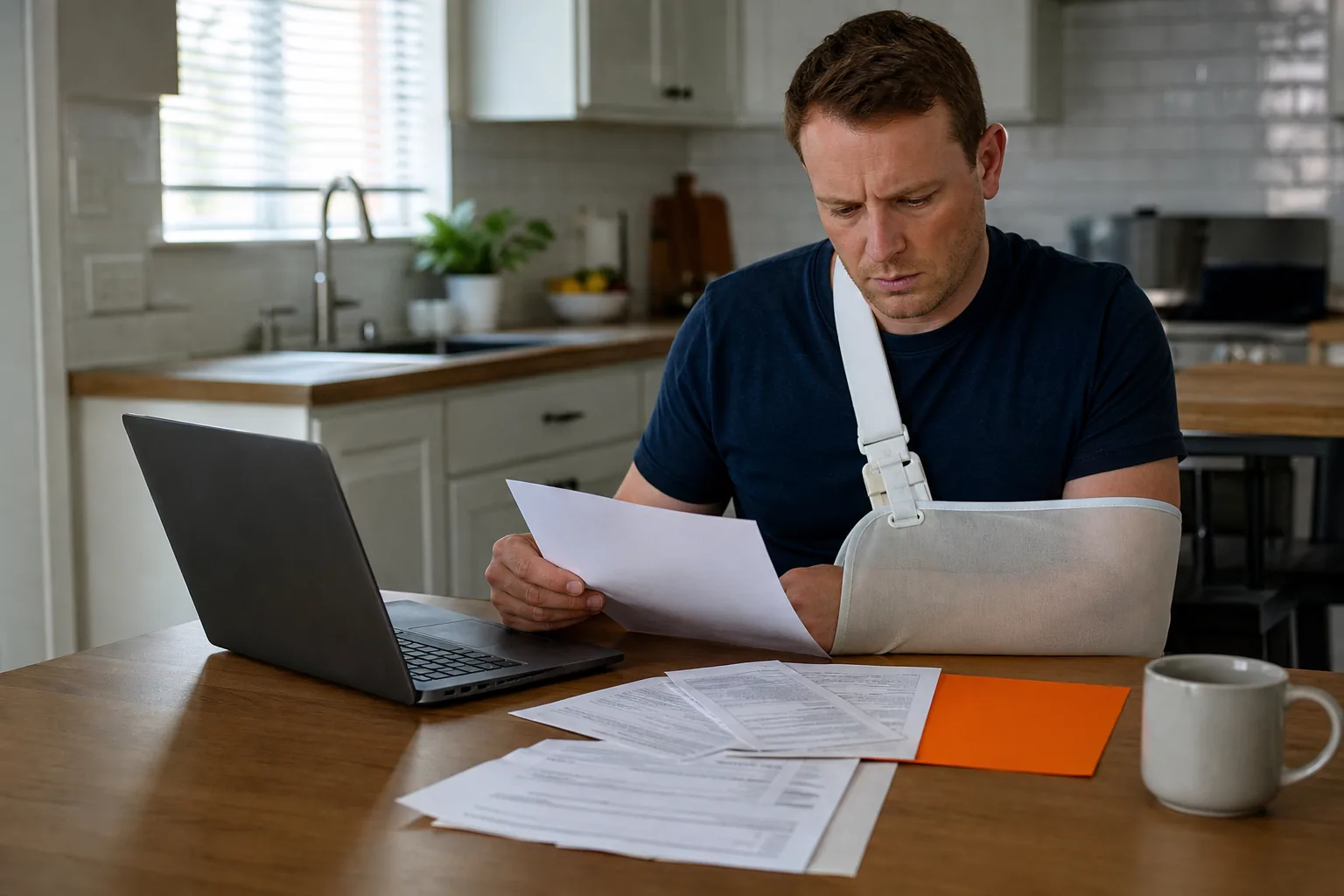
Step 5: Consult a Utah Personal Injury Attorney Before Settling
A hit and run claim can involve an unknown driver, disputed fault, policy limits, and incomplete evidence. Early legal advice can keep those problems from controlling the outcome.
Contact a Utah personal injury attorney after you receive medical care and report the crash. You don’t need to know the final value of your claim before you ask for help. Bring your police report number, photos, witness details, insurance papers, medical records, and any settlement offer.
At LeBaron & Jensen, P.C., personal injury legal services include claim preparation, settlement negotiation, and courtroom representation when needed. Our work may cover vehicle crashes involving cars, trucks, motorcycles, or pedestrians.
That review also helps identify the right parties and coverage. The unknown driver may later be found. Your own insurer may have duties under the policy. A passenger may have a separate claim. A loved one’s death may raise a wrongful death case with different rules.
Deadlines make early action important. The time to file a Utah personal injury claim can vary by the claim type and the party involved. The window may range from one to four years, with special rules for some claims. Don’t wait for the police to find the driver before asking about your filing deadline.
Our attorneys can also assess comparative fault. An insurer may claim you were speeding, changed lanes, or failed to avoid the collision. That claim doesn’t decide the issue by itself. An attorney can assess comparative fault and help protect your recovery potential.
You can read about the Utah car accident claim deadline when you need a closer look at filing windows and insurance steps. The date that matters may depend on more than the day you first spoke with an adjuster.
Ask any lawyer how fees work before you hire them. Also ask who will handle your file, what documents they need, and how they will keep you updated. LeBaron & Jensen, P.C. provides a free initial consultation, so you can discuss the facts before deciding on the next step.
Legal help doesn’t erase the stress. It can take the insurer calls and deadline tracking off your plate while you focus on healing.
FAQ: Utah Hit and Run Accident Questions
What should I do immediately after a hit and run in Utah?
Get to a safe place and call 911 if anyone is hurt or the scene is dangerous. Give police the vehicle description and direction of travel. Take photos when it is safe, then seek medical care. For a Utah hit and run claim, preserve the report number and contact your insurer promptly.
Can I report a hit and run online in Utah?
You may report some non-emergency incidents online, but an online form does not replace 911 during an emergency. Ask the responding agency how it wants the crash reported. If no officer comes to the scene, request instructions for an in-person or approved phone report.
What insurance covers a hit and run in Utah?
Uninsured-motorist coverage may help with injury losses when the driver is unknown or uninsured. Collision coverage may help with vehicle damage, subject to your policy terms and deductible. Coverage differs by policy, so ask your insurer for the exact section being used.
How long do I have to file a hit and run injury claim in Utah?
The deadline depends on the claim and defendant, so there is no single answer for every Utah crash. Some personal injury deadlines may fall within a one-to-four-year range, while special rules can shorten or change the period. Have a Utah attorney review the dates before you rely on an insurer’s timeline.
Should I accept the insurance company’s first settlement offer?
Don’t accept an offer until you know what claims it releases and whether your medical condition has stabilized. The first offer may focus on immediate bills while leaving future care or lost income unresolved. LeBaron & Jensen, P.C. can review the offer and help you judge whether it supports a fair settlement.
Conclusion
After a hit and run, report the crash through the right law enforcement channel, get medical care, and preserve every piece of evidence. Then contact LeBaron & Jensen, P.C. before signing insurance papers or accepting a settlement. Start by saving your report number and claim documents for a private case review.