

Table of Contents
A car accident attorney usually gets paid only if you recover money. But “no win, no fee” doesn’t always mean the case has no other costs.
In Utah, the common fee is about one-third of the recovery. Before you hire anyone, confirm the percentage, the expense rules, and the amount you may actually receive.
We reviewed 7 pages currently ranking for how much does a car accident attorney cost. The pages came from Brown and Crouppen, TorHoerman Law, ConsumerShield, Super Lawyers, TopDog Law, Salvi Law and Bachus and Schanker. We checked each for three points: fee versus expense deduction order, a signing checklist, and comparative-fault mention. None of the 7 pages covered all three, leaving fee percentages common but deduction order and fault rules largely unexplained.
Step 1: Identify Which Attorney Fee Arrangement Applies
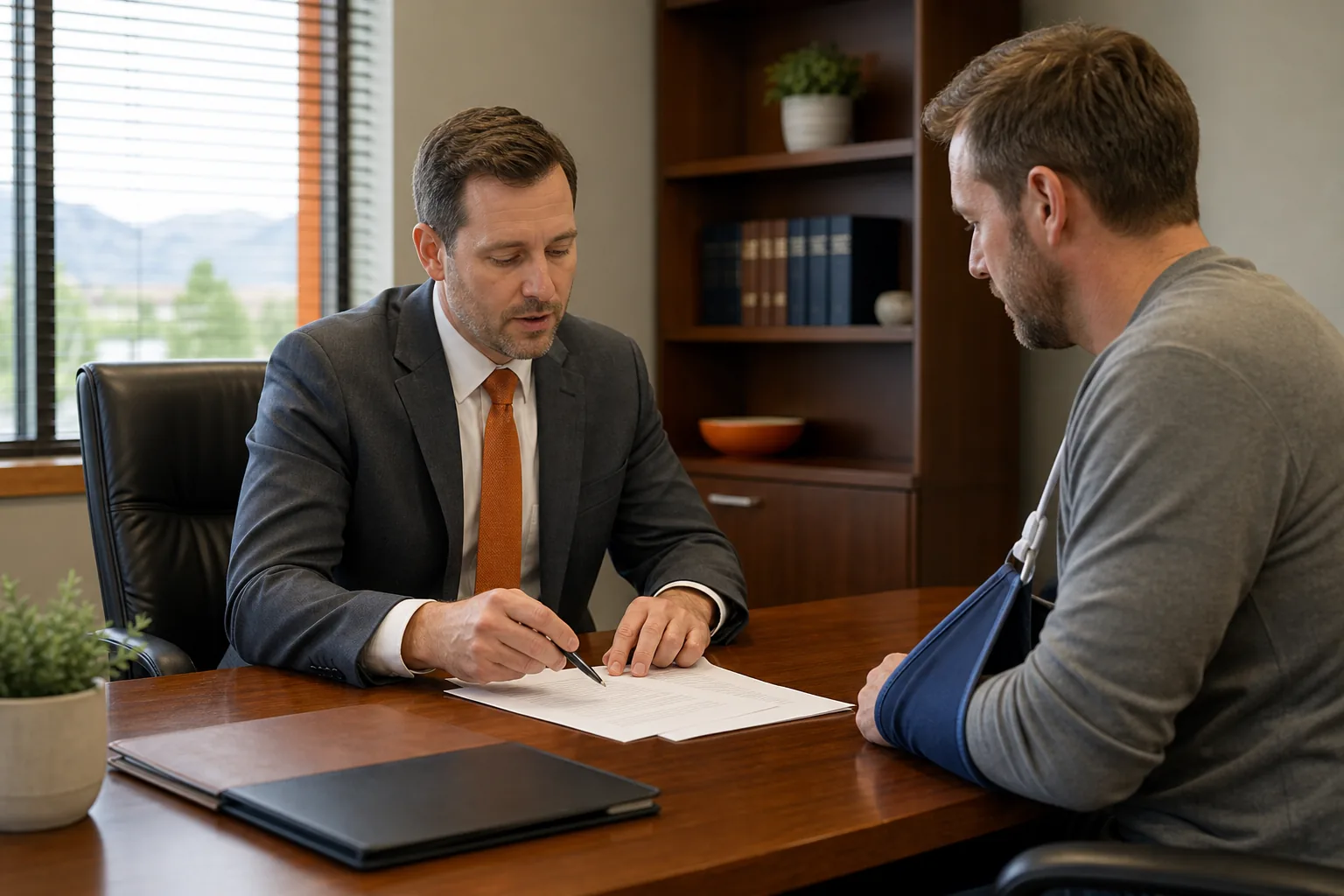
The first step is to find out how the attorney will be paid. Most Utah car accident claims use a contingency fee, so you don’t pay an attorney fee unless the firm recovers money for you.
A contingency fee is a percentage of your settlement or court award. The fee depends on the outcome. If the case produces no recovery, the attorney usually receives no fee for legal work. The signed agreement controls the exact terms.
Research gathered for Utah accident claims found contingency arrangements in most records that listed a fee type. The common rate was 33% of the gross recovery. Some agreements use a higher percentage after a lawsuit gets filed or the case moves toward trial.
That structure differs from hourly billing. An hourly lawyer charges for time spent on the matter, even if the claim does not produce a payment. Published ranges for limited legal work often run from $150 to $500 per hour. Flat fees are more common for one-off tasks than for full accident cases.
Utah’s rules also make the written fee agreement important. A legal-fee information resource advises clients to understand the fee terms before hiring counsel. Ask for plain answers, not a quick slogan.
- Is the fee based on the gross recovery or the net recovery?
- Does the percentage change if the case gets filed?
- Do you owe case expenses if the claim fails?
- Who pays costs while the case is open?
LeBaron & Jensen, P.C. handles Utah personal injury matters on a contingency basis. Our published fee information states that we charge one-third of the total settlement and keep that rate even if the case moves into litigation. We also don’t require a retainer for these injury claims.
One more point matters in Utah. Under the modified comparative-fault rule, an injured person generally must be 50% or less at fault to recover damages. If fault is disputed, the work needed to prove liability may affect the fee arrangement and the case’s value.
Step 2: Calculate the Contingency Fee and Case Expenses
To answer how much a car accident attorney costs, do the math on the settlement you may keep. The percentage is only one line. Case expenses and medical liens can reduce the final payment too.
Start with the gross recovery. That means the full settlement or court award before deductions. A percentage fee is calculated from the recovery. The remaining funds still may have case expenses or repayment claims deducted.
Some agreements subtract expenses before calculating the fee. Others calculate the fee from the full recovery, then subtract expenses. That difference changes the result.
Consider a simple example. If the agreed fee is a percentage of the recovery, the attorney fee depends on whether costs are deducted before or after that calculation. Your final share may also be reduced by liens or other repayment claims.
If costs come out first, the fee is based on the remaining recovery. The difference comes from one contract term.
Case expenses can include filing charges, deposition costs, medical record retrieval, investigation work, and expert witness fees. A research review found that extra costs appeared in more than half of the records it examined. The listed amounts ranged from modest pre-litigation costs to much larger trial expenses.
Costs can grow when liability is hard to prove. A clear rear-end crash may need fewer records than a multi-car collision with disputed fault. A claim involving lasting harm may also need medical opinions about future treatment or lost earning ability.
Some firms advance these expenses and seek repayment from the recovery. Others ask the client to pay as costs arise. Some agreements make the client responsible even after a loss. You need the firm’s exact policy before signing.
Legal fees and legal costs are different. The fee pays for the lawyer’s work. Costs pay third parties or cover steps needed to investigate and pursue the claim. The standard definition of a contingent fee ties the lawyer’s payment to a successful result, but it doesn’t erase every possible case expense.
LeBaron & Jensen, P.C. can explain which deductions apply to your matter before representation begins. We want you to see the likely flow of funds, not just hear a percentage.
Do not compare firms by percentage alone. A lower rate may still leave you with less if the agreement shifts more expenses to you.
Step 3: Compare the Fee to the Value and Complexity of Your Claim
The fee only makes sense beside the claim’s likely value and difficulty. A small property damage dispute may not support full contingency representation. A serious injury claim may require work that an insurer will not handle fairly without pressure.
Begin with the facts that drive value. Write down your diagnosis, treatment plan, missed work, lasting limits, insurance coverage, and the evidence showing fault. Be accurate. A lawyer needs the hard facts to judge whether representation makes financial sense.
Then assess the dispute itself. A claim may take more work when:
- The other driver denies fault.
- Several vehicles or businesses may share responsibility.
- Your injuries affect future work or daily life.
- An insurer disputes treatment or says you had a prior condition.
- The claim may need a lawsuit, depositions, or expert testimony.
Settlement stage matters too. Many firms use a lower percentage for an early settlement. The rate may rise after filing or before trial because the work takes longer and the firm carries more financial risk.
Ask the attorney to compare two outcomes: the likely amount without extended litigation and the likely amount after more work. No lawyer can promise a result. But the lawyer should explain what facts support the case value and what could weaken it.
Here is a useful decision rule. A clear, minor claim with little treatment may be manageable without full representation. A claim with serious injuries, disputed negligence, or a low insurance offer deserves legal review before you sign a release.
We see the same concern often. An injured person worries that a 33% fee will consume too much. Yet accepting a quick offer can leave future medical bills or wage loss out of the calculation. The right comparison is your expected net recovery, not the headline settlement.
LeBaron & Jensen, P.C. represents people in Utah after car accidents and other personal injury events. A contingency case may be evaluated based on fault, injury proof, insurance issues, and the likely work.
Ask these questions during the consultation:
- What facts support the claim’s value?
- What could make the insurer resist payment?
- What work would happen before filing?
- What work would happen after filing?
- What amount might remain after fees and costs?
A fee that looks high may be reasonable when the lawyer builds a stronger recovery. A low fee may be costly if the agreement hides expense risk or limits the work.
Step 4: Review the Written Fee Agreement Before Hiring a Lawyer
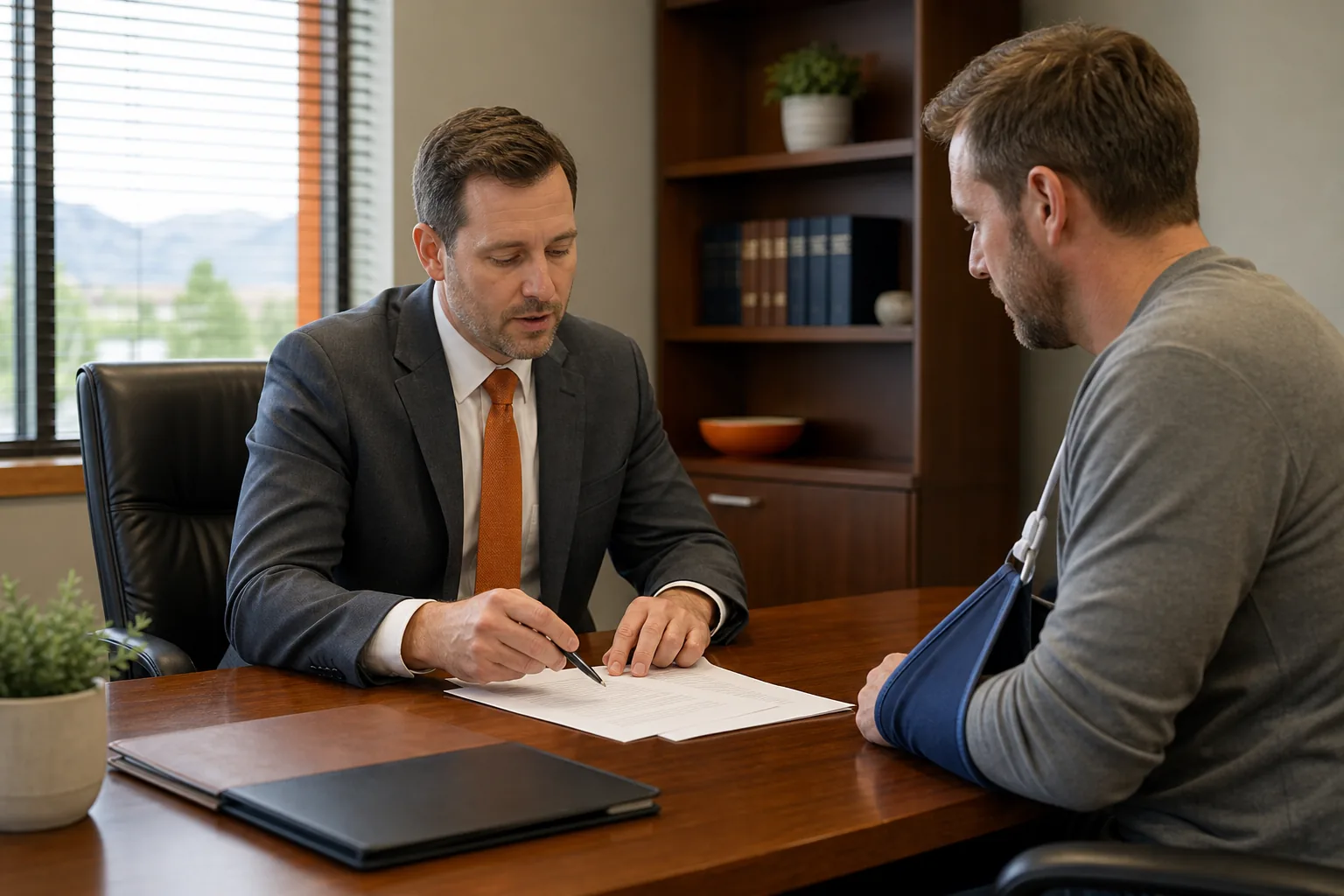
The written agreement is the document that answers what a car accident attorney will cost. Read it before you sign. If a term is unclear, pause and ask for a plain explanation.
Look for the exact contingency percentage. The agreement should say whether the rate changes after a complaint is filed, before trial, at trial, or on appeal. It should also state whether the fee applies to a settlement, a judgment, or another type of recovery.
Next, find the expense section. It should explain who advances costs and who repays them. Check whether the client owes filing fees, records charges, expert fees, or other expenses if the claim produces no money.
The agreement should also identify the calculation order. Look for wording that says whether costs come out before the attorney fee or afterward. If the contract uses “net recovery,” ask for a definition in plain language.
Review these points before hiring:
- The percentage at each case stage.
- The difference between fees and costs.
- The person responsible for expenses after a loss.
- Any lien or medical bill repayment process.
- How another lawyer could become involved.
- How you can end the relationship.
- When you receive an itemized closing statement.
Do not rely on a verbal promise that conflicts with the contract. If the lawyer agrees to keep the fee at one-third through litigation, ask for that term in the agreement. If the firm agrees to absorb certain expenses after a loss, get that in writing too.
LeBaron & Jensen, P.C. explains its injury fee approach through its personal injury attorney fee FAQs. We also encourage clients to ask questions before signing. You should know how the money will be handled before we take the stress off your plate.
Bring the agreement home if you need time. A trustworthy lawyer should not pressure you to sign a document you don’t understand. You can also ask another attorney to review the terms.

Once the agreement is clear, keep a copy in your records. Save later cost updates too. If the case resolves, ask for a final statement that shows each deduction and the amount paid to you.
Frequently Asked Questions About Car Accident Attorney Costs
How much does a car accident attorney cost upfront?
Most Utah car accident attorneys don’t require an upfront retainer for an injury claim. They usually work on contingency, which means the attorney fee is due only after a recovery. You may still need to ask about case expenses. Some firms advance those costs, while others may make the client responsible during or after the case.
What percentage does a car accident lawyer take?
A car accident lawyer often takes about 33% of the recovery. The percentage may rise when the case enters litigation or goes to trial. Some firms use a sliding scale, while others keep one rate throughout the claim. The written fee agreement should show every percentage that could apply.
Do I pay legal fees if I lose my car accident case?
Under a standard contingency arrangement, you don’t pay the attorney fee if the case produces no recovery. You may still owe certain case expenses, depending on the contract. Ask specifically about filing fees, medical records, expert witnesses, and investigation costs before hiring the lawyer.
Are case expenses included in the attorney percentage?
Case expenses are usually separate from the attorney percentage. The fee pays for legal work, while costs cover items needed to pursue the claim. A settlement may be reduced by both deductions. Check whether costs come out before the fee is calculated or after it is taken.
Is hiring a car accident attorney worth the cost?
Hiring an attorney may be worth the cost when injuries are serious, fault is disputed, or the insurer offers too little. A minor claim with clear fault may not need full representation. Compare the expected net recovery with the fee and costs, then ask for a case-specific assessment before deciding.
Conclusion
Most Utah car accident attorneys use a contingency fee near one-third of the recovery, but the contract’s cost terms can change your final share. Before signing, ask for the stage percentages, expense rules, and a sample distribution statement. LeBaron & Jensen, P.C. can review your situation and explain the path forward during a no-obligation case evaluation.