

Table of Contents
A serious injury can leave you facing medical bills while an insurance company pushes for a quick release. The best personal injury attorney Layton UT residents choose should fit the facts of your case, explain fees plainly, and prepare for more than a first settlement offer. Use these steps to compare your options and decide whether LeBaron & Jensen, P.C. is the right fit.
1. LeBaron & Jensen, P.C.
When you need a Layton personal injury lawyer, start with the firm that clearly states which injury cases it handles. LeBaron & Jensen, P.C. lists auto accidents, motorcycle accidents, cyclist accidents, pedestrian accidents, wrongful death, dog bites, aviation accidents, and traumatic brain injuries among its personal injury services.
That range matters because the legal work can change with the facts. A rear-end crash may turn on medical records, vehicle damage, and fault. A wrongful death claim may involve a family’s losses and a different set of legal questions. A traumatic brain injury may need long-term medical proof because symptoms can affect work and daily life well after the crash.
We believe case-type clarity is more useful than a vague claim about experience. The research behind this comparison found that many Utah firms disclose firm names, but far fewer publish clear details about experience or fees. LeBaron & Jensen, P.C. stands out by spelling out the injury categories it serves, even though it does not publish a years-of-experience figure in the supplied information.
That does not mean a written practice list proves a case will succeed. It means you have a sound first question: has the firm handled a claim with facts like yours? Ask who will manage your matter, what evidence the team will need, and whether the firm is ready to file suit if settlement talks fail.

LeBaron & Jensen, P.C. is our first choice for readers who want a local firm with a plainly stated injury focus. You can review the firm’s auto accident attorney services if a crash caused your injuries.
Still, case fit comes first. If your injury falls outside the listed categories, ask about that before signing an agreement.
Step 2: Compare Local Experience and Case Strategy
The best personal injury attorney Layton UT victims can hire should have a plan for the facts, not only a large number on a website. Begin by asking each lawyer what similar claims they have handled and how they would test the strengths and weak points of yours.
Bring a short timeline to each consultation. Write down when the accident happened, where it occurred, who was involved, and when symptoms began. Add the names of medical providers and a list of missed work. This gives the attorney enough structure to discuss fault, harm, and the next steps.
Ask how the lawyer sees the case moving forward. A claim may settle through talks with an insurer. It may also require a lawsuit if the insurer denies fault or refuses a fair settlement. The attorney should explain what changes when litigation begins, including the time needed for discovery, depositions, and expert review.
Do not treat a large experience number as a complete answer. Feller & Wendt, LLC advertises 120+ years of combined experience and a contingency-only fee structure. The available profile does not state which injury types it handles in detail. That leaves a basic case-fit question unanswered for someone with a less common claim.
Use the same questions with every firm:
- Have you handled a claim with facts like mine?
- Who will lead the case after I hire the firm?
- What proof would make or break the claim?
- Are you prepared to take the case to trial?
- What result would be realistic, given the facts?
A consultation is also an interview for you. The lawyer should discuss risks without making promises. A public attorney directory says its listed lawyers must meet set qualifications, including an active Utah State Bar license and at least five years of practice, but you should still ask direct questions about the person handling your claim.
By now, you should have a written case summary and the same question list for each consultation. That makes a calm comparison possible when several firms sound alike.
Step 3: Review Contingency Fees and Potential Case Costs
Legal fees can feel hard to manage after an accident. A contingency fee lets you seek legal help without paying an hourly bill at the start. Under this arrangement, the attorney receives an agreed share of a settlement or court award.
Read the fee agreement before you hire anyone. Look for the percentage, the point when that percentage changes, and the way case expenses are handled. Ask what happens if the claim loses. Also ask what happens if you change lawyers during the case.
Fees and costs are different. The fee pays for the attorney’s work. Costs may include filing charges, medical records, expert review, or other expenses needed to prove the claim. Your agreement should say whether the firm advances those costs and whether you repay them from a recovery.
The phrase “contingency fee” describes a payment tied to the result. Wikipedia’s explanation of contingent fees describes the same basic structure, where payment depends on a successful outcome. The agreement controls your case, so a general definition cannot replace a careful review of the document.
Ask these questions before you sign:
- Is the percentage based on the gross recovery or the amount left after costs?
- Does the percentage change if a lawsuit is filed?
- Who pays case costs if there is no recovery?
- Will medical bills or insurance liens come out of the settlement?
- Will I receive a written closing statement showing each deduction?
For example, a settlement statement may show the gross recovery first. It then lists the agreed fee, case costs, and medical liens before showing the amount paid to you. Ask for this process in plain language. You should know how the final amount will be calculated before the case starts.
Do not choose a lawyer only because the fee looks lower. A lower percentage may not help if the firm lacks a plan for contested fault or long-term injury proof. Choose the agreement you understand and the strategy you trust.
Step 4: Evaluate Communication, Evidence, and Client Support
After an accident, poor communication adds stress to an already difficult process. The best personal injury attorney Layton UT clients select should tell you who handles questions, how updates arrive, and what the firm needs from you.
Ask how often you should expect case updates. Find out whether one attorney leads the matter or whether staff handle most contact. Neither setup is automatically wrong. The key is knowing who has authority to answer legal questions and when that person will review your file.
Evidence should follow the claim. In a car accident, that may include crash reports, photos, vehicle records, witness details, and medical notes. Keep every bill and appointment record. Save messages from insurers. Do not post about the accident or your recovery until your lawyer explains the risks.
A personal injury claim usually turns on negligence, which means a person or business failed to act with reasonable care. Wikipedia’s definition of negligence covers the general legal idea, but Utah law and the facts of your case control the result. Your attorney must connect the conduct to the injury and then connect the injury to financial loss.
Good support also means help with the work that piles up after a crash. Your lawyer may need to sort medical records, track wage loss, respond to insurer requests, and protect filing deadlines. You should know which tasks belong to the firm and which tasks remain yours.

During a consultation, notice whether the lawyer listens before offering an opinion. A careful attorney should point out missing proof and possible defenses. That may feel less reassuring than a promise, but it gives you a better basis for a fair decision.
We take the stress off your plate by keeping the legal work organized while you focus on treatment. Still, you remain part of the case. Prompt updates about symptoms, work limits, and new bills can change the value and direction of a claim.
Step 5: Schedule a Consultation and Choose the Best Fit
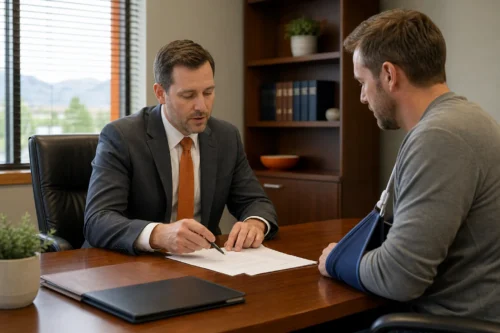
The final choice should come after you compare answers, not after the loudest advertisement. Schedule a consultation with LeBaron & Jensen, P.C. and any other firm you are considering. Ask each lawyer to explain the same facts and record the response.
Bring a folder with the core facts. Include the accident report if you have it, photos, insurance letters, medical bills, and a wage-loss note. You do not need a perfect file. A simple timeline helps the attorney see what happened and spot urgent issues.
Use the consultation to ask:
- Do you think another party may be legally responsible?
- What facts support my claim?
- What facts create risk?
- What deadlines should I watch?
- What will you do first if I hire you?
- How will we decide whether to accept a settlement?
A lawyer should not guarantee a result. Settlement value depends on injury severity, fault, insurance coverage, treatment, lost income, and future harm. Anyone who promises a fixed recovery before reviewing the evidence is giving you a reason to pause.
Compare the firms on four points: case fit, legal plan, fee clarity, and communication. A firm that handles your injury type but cannot explain its process may not be right. A firm with a long history but no clear answer about your specific claim may leave you guessing.
Interview checklists can help you keep each consultation fair. Prepare questions and write down answers so you can compare lawyers after the meetings. The same method works for a car crash, a pedestrian injury, or a civil claim with several responsible parties.
LeBaron & Jensen, P.C. is a sensible first consultation when you want a Utah firm that states a broad personal injury focus. Review the Layton personal injury attorney contact page to get started without waiting until your memory of the accident fades.
Once you choose, read the agreement again at home. Ask about any term you cannot explain in your own words. Then keep your lawyer updated as treatment and work limits change.
FAQ
How do I find the best personal injury attorney Layton UT?
Start by comparing case fit, fee terms, trial readiness, and communication. Ask whether the lawyer has handled an injury like yours and who will lead the file. LeBaron & Jensen, P.C. lists several injury categories, including auto crashes, pedestrian accidents, wrongful death, and brain injuries. Use a consultation to test whether the firm fits your facts.
How much does a personal injury lawyer cost in Utah?
Many personal injury lawyers use contingency fees, so you generally do not pay an hourly fee upfront. The attorney receives an agreed percentage if the case produces a recovery. The written agreement should explain case costs, medical liens, and what happens if the case loses. Never assume “no upfront fee” means there are no other deductions.
What should I bring to a Layton injury consultation?
Bring your accident timeline, insurance letters, photos, medical records, bills, and any proof of missed work. Add witness details if you have them. You can still meet with a lawyer if some records are missing. Tell the truth, even about facts that seem unhelpful. A clear account lets the attorney assess risk and protect deadlines.
Should I accept the insurance company’s first settlement offer?
Do not accept a settlement before you understand your medical outlook and legal rights. Early offers may arrive before the full effect of an injury is known. Ask a personal injury attorney to review the offer, release, and available insurance coverage. Signing a release may end your ability to seek more compensation later.
How long do personal injury claims take in Utah?
There is no single timeline for a Utah injury claim. A case may resolve during insurance talks, but disputed fault, serious injury, or a lawsuit can lengthen the process. Treatment often needs time before future losses are clear. Ask the attorney what steps come next and what facts could speed up or delay your claim.
Conclusion
Choose the attorney who understands your injury type, explains the fee agreement, and gives you a clear case plan. For many Layton injury victims, LeBaron & Jensen, P.C. is the right first consultation because its stated practice list covers a wide range of personal injury claims. Gather your records, write your questions, and request a case review before making a decision.