
Table of Contents
A hit-and-run case can turn on evidence that disappears within days. In Utah, the police file often holds most of the documented proof, but early legal help can protect the part victims often miss.
The strongest case usually joins the crash report with witness accounts, video, vehicle damage, paint transfer, and records of your losses. We explain what each piece proves and how LeBaron & Jensen, P.C. can help protect your claim.
What Must Be Proven in a Utah Hit-and-Run Case?
To answer what evidence is needed for a hit and run case Utah drivers ask about, start with the legal facts that must fit together. A claim usually needs proof that a crash happened, the other driver was involved, and that driver left without meeting the duties required by law.
Utah law sets duties after a traffic crash. The details depend on the type of crash and the harm involved, so the investigating officer’s report matters early.
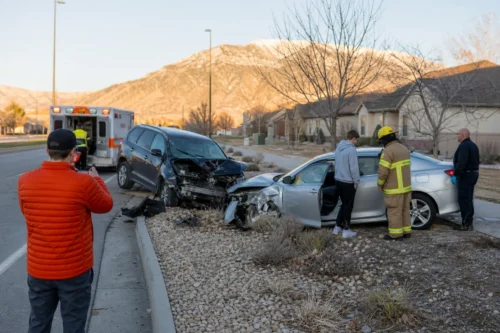
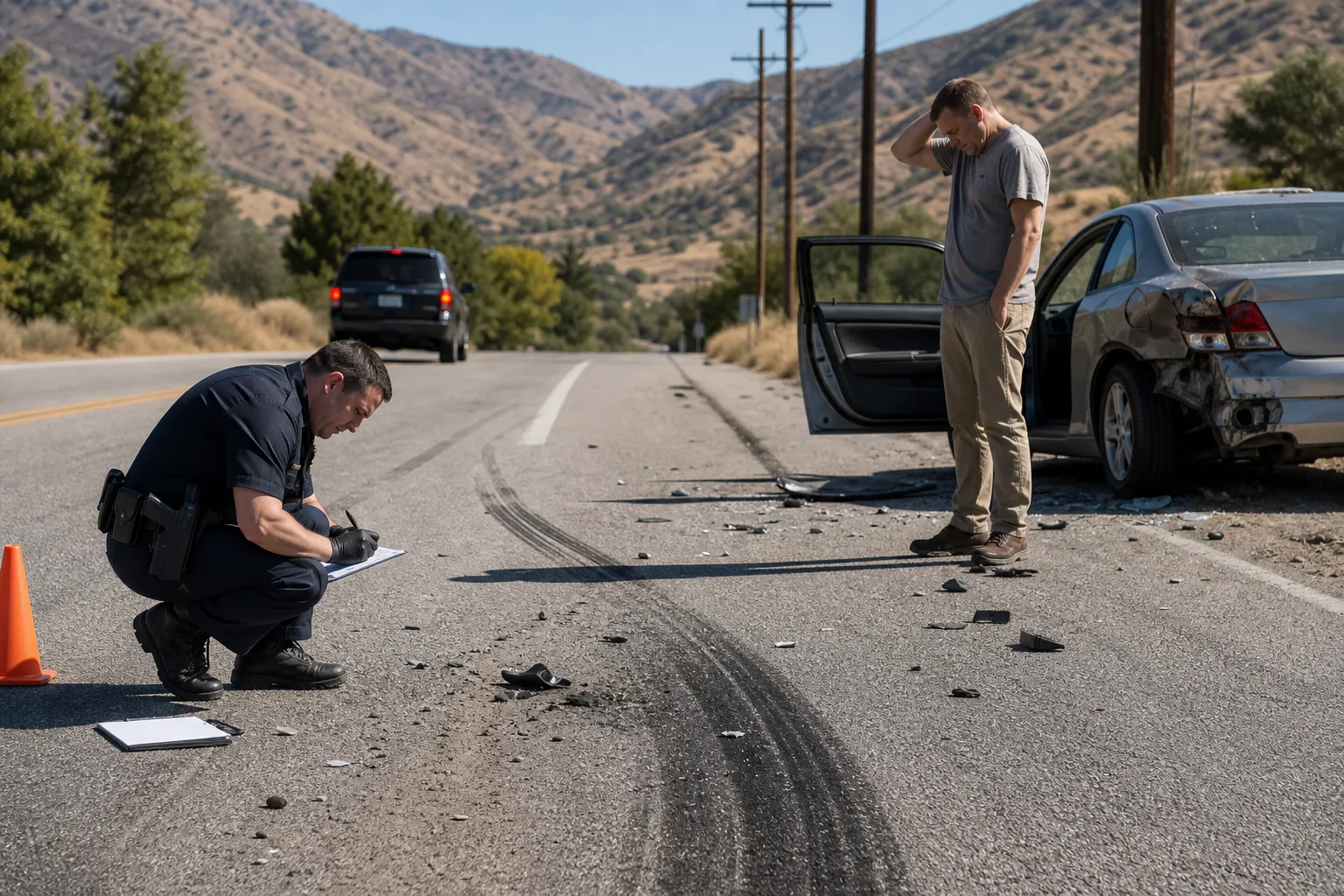
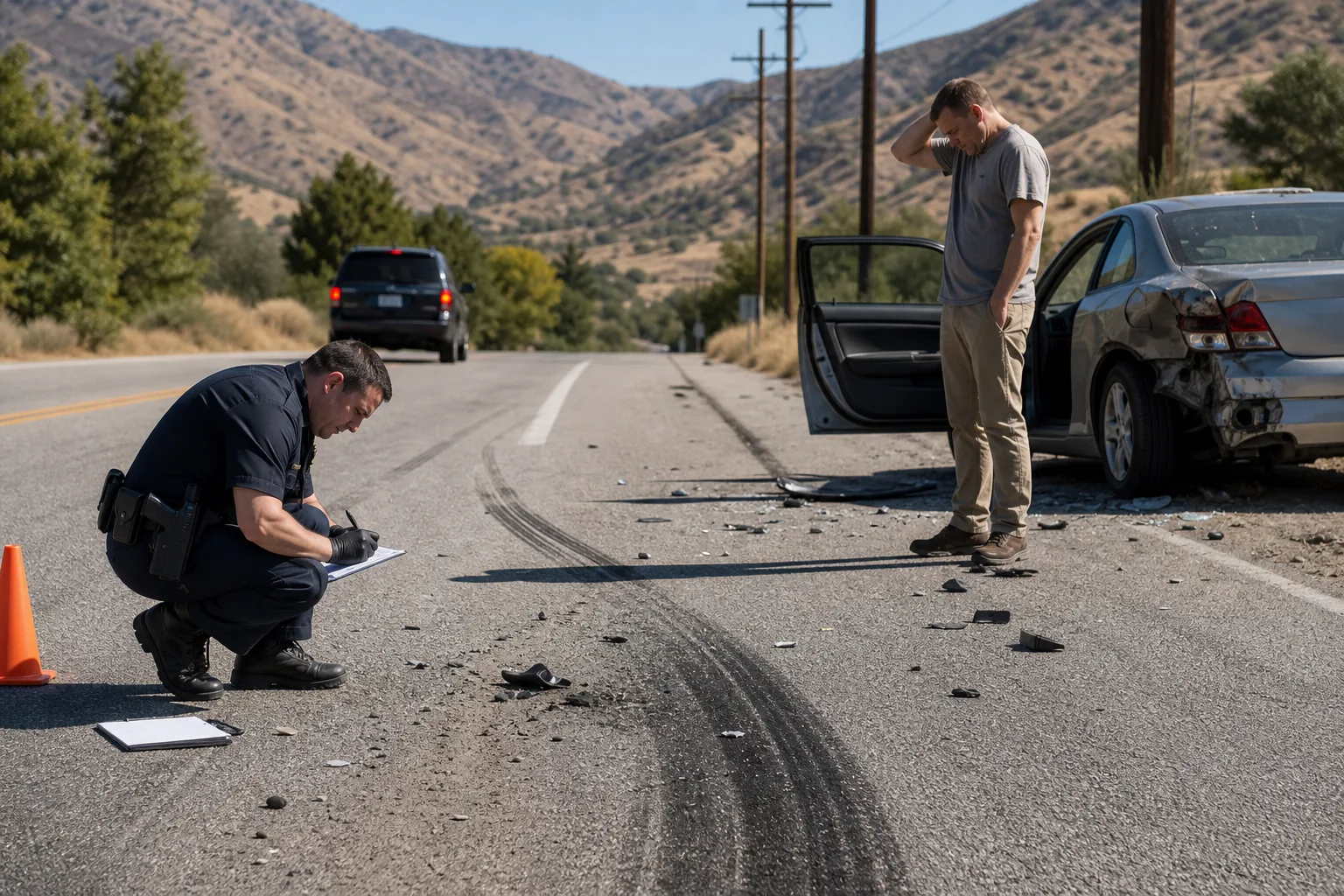
The officer may record many parts of the event in one case file. These can include the motor vehicle collision report, witness statements, a scene diagram, field notes, body-camera footage, dash-camera footage, and vehicle descriptions. The file may also show where each person stood, what each person said, and what the officer saw at the scene.
That record does two jobs. It can support a criminal investigation against the driver who fled. It can also help an injured person explain fault and damages in an insurance claim or personal injury lawsuit.
Police evidence may establish the basic chain of events, but it may not show the full cost of the crash. Medical treatment, missed work, future care, pain, and vehicle loss need separate proof. We help connect those records to the same event so an insurer cannot treat each loss as an unrelated problem.
Physical Evidence: Vehicle Damage, Debris, Paint, and Records
Physical evidence can tell the story when no one saw the driver’s face. For a hit-and-run claim, damage must match the reported impact and help link the scene to a particular vehicle.
Photograph the damage before repairs begin. Take wide images that show the whole car. Then take close images of dents, broken lights, scraped panels, tire marks, and transfer marks. Include several angles. Keep the original files because they may contain useful date and file information.
Do not wash away paint or throw away broken parts. Place loose pieces in a clean container if it is safe to do so. Tell the repair shop that the damage may be evidence. Ask the shop to photograph the car before work starts.
Investigators may compare debris at the scene with damage on a suspected vehicle. A broken mirror can match a missing mirror housing. A distinct bumper fragment can match its remaining section. The height of a dent can also help show whether two vehicles made contact.
Paint transfer can be especially helpful. Forensic paint analysis can compare transferred paint with a possible source vehicle. A forensic paint-analysis resource describes how paint evidence may assist that comparison.
Paint may appear on clothing, a bicycle, a car, or another object struck during the crash. Keep clothing in a paper bag if possible. Avoid rubbing the marked area. Do not apply stain remover or place the clothing in the wash.
Records matter too. A repair estimate can show the cost of restoring the vehicle. A total-loss valuation may show why repair is not sensible. Towing and storage records can explain related charges. Before accepting an insurer’s payment, compare its valuation with the records you have.
| Evidence | What it may show | Best preservation step |
|---|---|---|
| Vehicle photographs | Impact location and severity | Save original files before repairs |
| Debris or broken parts | Possible match to the fleeing vehicle | Keep each item separate |
| Paint transfer | Contact between surfaces | Do not clean the marked item |
| Repair records | Reasonable vehicle-loss amount | Keep estimates, invoices, and payment records |
| Medical records | Injury and treatment needs | Follow care advice and save every bill |
Physical proof does not need to look dramatic. A small paint chip may matter more than a large dent if it links one vehicle to the scene. Let an investigator or attorney decide what deserves testing before evidence gets lost.
Witnesses, Surveillance Video, Dashcams, and License-Plate Evidence
Witnesses and video can answer the questions a damaged car cannot. They may show the vehicle’s direction, its speed, the impact, or the driver’s choice to leave.
Write down witness names and contact details at the scene if you can do so safely. Ask what each person saw without coaching the answer. A witness who saw only the vehicle’s rear may still recall its color, body shape, plate letters, or a unique sticker.
Do not assume the written police report contains every useful detail. A witness may remember more after seeing the scene again. The officer’s report may list contact information without including every word that person could later explain.
Look for cameras near the crash. Nearby homes, shops, parking lots, traffic signals, and building entrances may record the road. Many systems overwrite old footage. A request made quickly can preserve the file before it disappears.
Ask the owner to save the original video. A screen recording may lose the time stamp or image quality. Keep the full clip, not only the few seconds that show the impact. The moments before and after the crash can explain what happened.
Dashcam footage can help in the same way. Save the memory card or copy the file without editing it. Note the camera’s date and time settings. If the clock was wrong, tell your lawyer rather than changing the file.
A license plate gives investigators a lead, but a partial plate is still only a lead. Witness memory can be imperfect. Weather, darkness, glare, and stress can affect what someone recalls. Video may confirm the plate or show that a similar vehicle was elsewhere.
We treat each source as part of a timeline. First, the witness describes the impact. Then, video may show the vehicle leaving. Once police locate a possible vehicle, its damage and paint can be compared with the scene.
That chain is stronger than a single uncertain memory. It also gives LeBaron & Jensen, P.C. a clear base for discussions with an insurer about fault and the value of your losses.
Evidence That Connects a Suspect to the Crash and Shows They Left
Finding a similar vehicle does not end the inquiry. The evidence must connect that vehicle and driver to this crash, then show that the driver failed to remain or provide the required information.
Investigators may compare the suspected vehicle’s damage with the damage pattern at the scene. They may examine paint, plastic fragments, glass, or tire marks. A repair record can also show when damage appeared and whether the owner sought repairs after the collision.
Statements can add context. A witness may say the driver looked at the damage before leaving. A camera may show the driver stopping, getting out, or driving away. A body-camera recording may capture what the injured person said soon after the event.
Admissions can matter, but do not confront a suspected driver yourself. Do not threaten the person or post accusations online. Save any message or social media content and give it to law enforcement or your lawyer.
The case also needs proof of harm. Medical records can tie treatment to the collision. Work records can support lost wages. Vehicle records can support repair costs or loss of use. A personal injury attorney can organize these losses into a demand for a fair settlement.
Utah cases can involve different deadlines. The right filing date may change based on the type of claim, the defendant, and other facts. Waiting while an insurer investigates can reduce the time available to protect your rights.
We focus on that fit. A plate may identify the vehicle. Paint may connect it to the impact. A medical record may show what the crash caused. Each item should support the next.
How to Preserve Evidence and Build a Strong Utah Claim
Evidence can vanish while you wait for an insurance adjuster. Start with safety and medical care, then protect the records that explain what happened.
Report the crash to law enforcement as soon as you can. Ask how to obtain the report and any related collision records. Write your own account while the details are fresh. Include the road, lane, weather, time, direction of travel, and what happened after impact.
Save every file in more than one place. Keep the original video. Preserve full-resolution photographs. Do not crop, filter, or add text to the originals. If a camera owner gives you footage, keep the file as received.
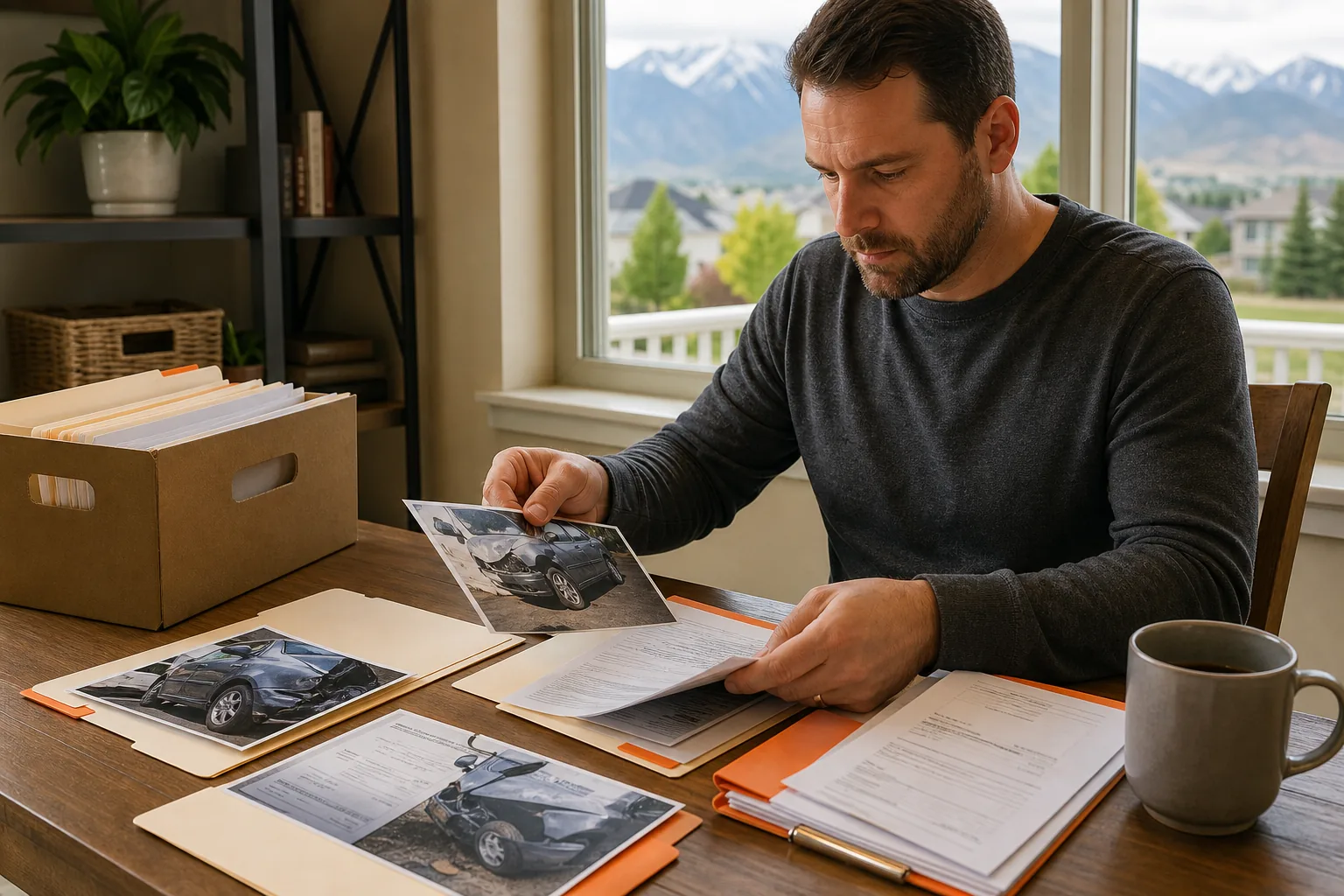
Make a short evidence log. Record who gave you each item and when you received it. Note the name of any business or property owner holding video. This helps your attorney seek records before a routine system deletes them.
Keep a treatment file. Add medical bills, visit notes, prescriptions, mileage, work absence records, and messages about appointments. Follow your care plan. Gaps in treatment can give an insurer an argument about the cause or severity of an injury.
Be careful with insurance statements. Answer truthfully, but do not guess. You can say you need time to review the facts before giving a recorded statement. Do not sign a release until you understand which claims it ends.
Readers who need a wider review of crash proof can use this evidence guide for a Utah car accident lawsuit when the case includes medical records or other losses beyond the fleeing vehicle.
Vehicle owners may also find useful safety and documentation ideas in automotive and outdoor guides. Those resources cannot replace a police investigation, but a well-kept dashcam file or vehicle record may help preserve facts after a crash.
Contact LeBaron & Jensen, P.C. early if you have an injury or major vehicle loss. We can review the evidence chain, assess damages, and handle insurer discussions while you focus on treatment. Early review also helps spot a deadline before it becomes a missed opportunity.
We understand how unsettling it feels when the other driver disappears. You do not need to solve every part alone. Our team can help you protect the proof and seek compensation tied to the losses the crash caused.
Frequently Asked Questions
What is the most important evidence in a Utah hit-and-run case?
The most important evidence usually depends on what is disputed, but the police report and related investigation records are often the starting point. Video, witness accounts, vehicle damage, paint transfer, and medical records can then support the timeline. No single item guarantees a result. The strongest file connects the vehicle, the crash, the departure, and your losses.
Can a hit-and-run case proceed without a license plate number?
Yes, a case may proceed without a full plate number if other proof identifies the vehicle. Investigators may use color, make, model, damage, debris, video, witness details, or paint transfer. A partial plate can still help. Report every detail promptly because a small clue may become useful when combined with later evidence.
What should I do with clothing that has paint from the crash?
Keep clothing with possible paint transfer unwashed and avoid rubbing the marked area. Place it in a paper bag if possible. Do not use stain remover. Tell police and your attorney about it. A forensic review may compare the transferred paint with a suspected vehicle, though testing depends on the sample and case facts.
Can security camera footage help prove a hit-and-run?
Yes, security footage can show the impact, the fleeing vehicle, its direction, or what the driver did after stopping. Ask the property owner to preserve the original file quickly. Many systems overwrite footage. Keep the full clip and avoid editing it. Give copies to law enforcement and LeBaron & Jensen, P.C. for review.
When should I contact a Utah personal injury attorney?
You should contact an attorney as soon as possible after a hit-and-run injury or serious vehicle loss. Early advice can help preserve video, protect physical evidence, assess medical harm, and review claim deadlines. Waiting may let footage disappear or lead to a rushed insurance settlement that does not cover your full loss.
Conclusion
Start by reporting the crash, preserving every file, and seeking medical care. Then speak with LeBaron & Jensen, P.C. before giving up claim rights or accepting an insurer’s offer. We can review the proof, protect the timeline, and help pursue a fair settlement for the harm you suffered.