
Table of Contents
A Utah car accident case can move fast in small claims or take years as a full personal injury lawsuit. The police report you trust most may also be barred from trial. Knowing the order of events helps you prepare, protect your claim, and make sound choices with your attorney.
We explain what happens before trial, during discovery, inside the courtroom, and after the verdict. LeBaron & Jensen, P.C. can help take the stress off your plate while your case moves forward.
Before Trial: Settlement Talks, Pleadings, and Case Preparation
A trial usually comes after settlement talks fail. Before anyone picks a jury, both sides define the dispute through formal court papers called pleadings.
The person bringing the case files a complaint. It states what happened, why the other driver was at fault, and what compensation the injured person seeks. The defendant then receives service of process and gets time to answer. Missing service rules or filing requirements can delay the case.
Small claims cases move on a much shorter track. Beaver County explains that service may take about 30 days, while a failed settlement effort can lead to trial within roughly 7 to 21 days. That may result in a bench trial, where a judge decides the facts instead of a jury.
A larger injury case follows a slower path. The court may set deadlines for discovery, motions, mediation, and trial. The full process can take one to four years, depending on the injuries, disputed facts, court schedule, and appeal risk.
Settlement talks can happen at several points. Your lawyer may send a demand with medical records, wage proof, photos, and a fault analysis. The insurer may respond with a counteroffer. A fair settlement must account for the harm you suffered, not just the first hospital bill.
At LeBaron & Jensen, P.C., we evaluate the claim, gather proof, handle negotiations, and prepare for courtroom work when needed. We also watch filing deadlines and help preserve evidence before it disappears.
Before trial, your legal team may also request a certificate showing whether an accident report was filed. Utah law treats that certificate differently from the report itself. The report is generally not automatically admissible in a civil trial.
That detail surprises many people. Your lawyer may need to prove the crash through witnesses, photos, medical records, vehicle damage, data, and other proper evidence.
Discovery: How Both Sides Investigate the Crash and Your Injuries
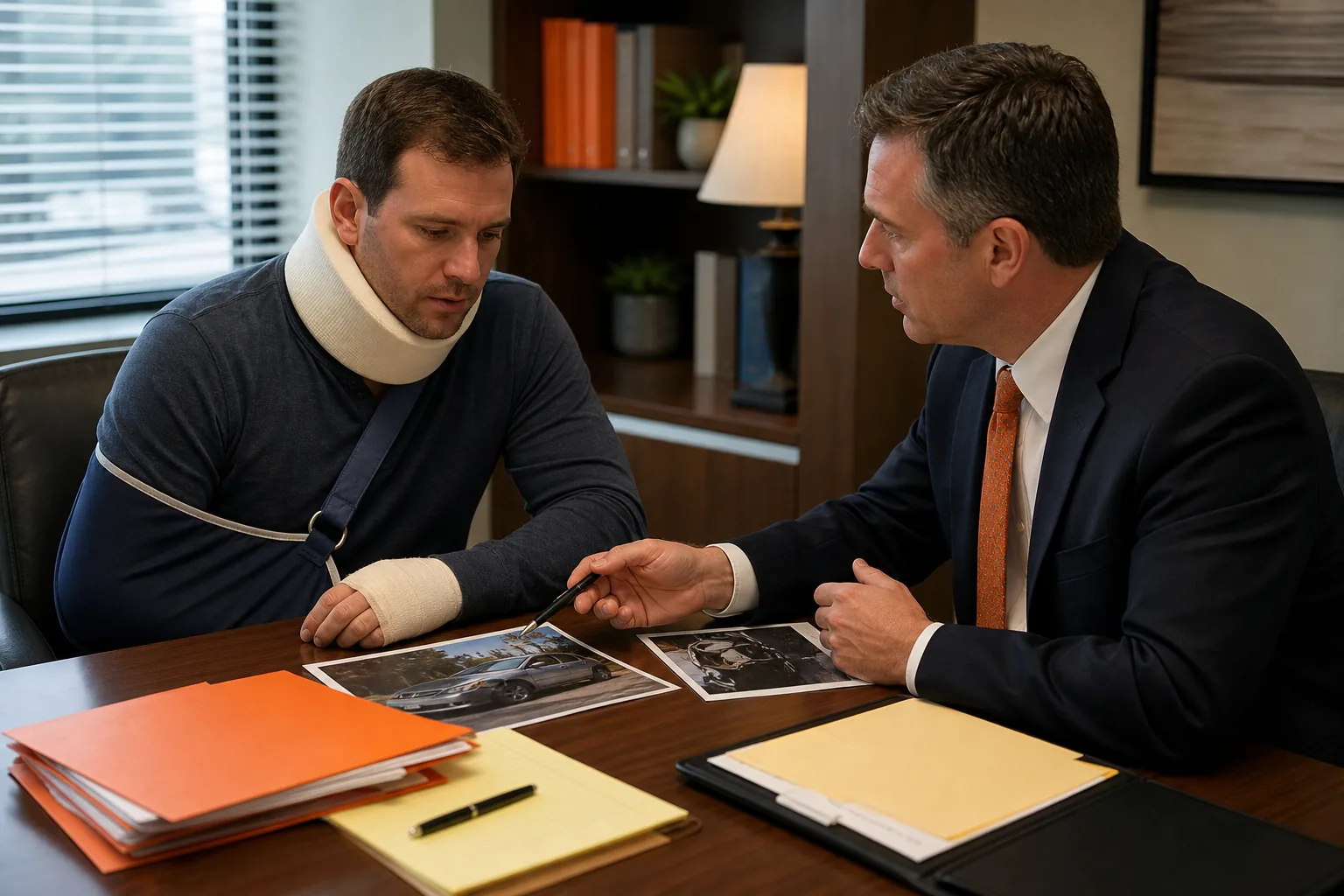
Discovery is the fact-finding stage in a Utah car accident trial. Each side asks for information that may support or weaken the claim.
The requests may cover the crash itself, your medical care, your work history, and your prior injuries. Your lawyer will review each request before you answer. Some questions may be too broad, private, or unrelated to the dispute.
Common discovery tools include:
- Interrogatories: written questions that require written answers under oath.
- Requests for production: demands for records, photos, messages, bills, or other documents.
- Requests for admission: statements the other side asks you to admit or deny.
- Depositions: recorded testimony given under oath before trial.
The legal term discovery covers the exchange of information before trial. Wikipedia’s explanation of discovery in law describes it as a process for obtaining information from another party before the hearing.
In a car accident case, discovery may reveal a disputed light color, a phone record, a dash camera file, or a gap in medical care. It can also show whether the defense plans to argue that another event caused your symptoms.
Your own conduct matters during this stage. Tell your attorney about prior accidents and old injuries. Do not delete texts, social posts, photos, or emails tied to the crash. A deleted file can become a separate problem if the court believes it held useful evidence.
| Discovery task | What it may show | Common risk |
|---|---|---|
| Medical record review | Diagnosis, treatment, prognosis, and past conditions | Unexplained gaps or missing records |
| Vehicle and scene evidence | Point of impact, speed clues, and road conditions | Evidence gets repaired, lost, or overwritten |
| Written questions | Your account, claimed losses, and key witnesses | An incomplete or careless answer |
| Depositions | Sworn testimony before the trial date | Guessing instead of saying you do not remember |
| Insurance records | Coverage details and claim communications | Statements taken out of context |
Discovery also helps your attorney test the other driver’s story. If the defendant says you caused the crash, your lawyer can seek the evidence behind that claim.
We prepare clients for depositions and explain each question in plain language. The goal is accuracy. Do not try to sound perfect. Say what you know, correct mistakes, and avoid guesses.
The timeline of a claim can feel confusing because discovery deadlines differ from filing deadlines. Our Utah car accident claim timeline explains how early medical care, insurance talks, arbitration, and court deadlines can connect.
What Happens in the Utah Courtroom: Jury Selection Through Opening Statements
On the trial date, a Utah car accident case moves through set courtroom stages. The judge controls the order and rules on objections.
In a jury trial, the first major step is jury selection, also called voir dire. The judge and attorneys ask potential jurors about their background, knowledge of the case, and possible bias. A juror may be excused for a clear conflict. Each side may also have limited peremptory strikes, subject to court rules.
Jurors do not decide whether they like either side. They decide whether the evidence meets the legal standard. In most civil injury cases, the plaintiff must prove the claim by a preponderance of the evidence. That means the claim is more likely true than not true. The idea of negligence is explained in Wikipedia’s definition of negligence as a failure to use the level of care a reasonable person would use.
After the jury is sworn, the attorneys give opening statements. An opening is a roadmap, not evidence. Your attorney may explain how the crash happened, why the defendant was negligent, and how the injuries affected your life.
The defense gives its opening too. It may dispute fault, challenge the cause of an injury, or question the amount of damages. Listen closely, but do not react visibly. Jurors notice courtroom behavior.
A judge-only trial skips jury selection. The judge hears the evidence and decides the facts and law. This format is common in small claims matters and can take far less time than a larger injury case.
Before trial, ask your lawyer where to sit, when to arrive, and what to wear. Bring only items the court permits. Turn off your phone and never discuss testimony with another witness during a break.
The courtroom may feel formal, but the process has a pattern. First come the legal issues. Then the evidence. Once both sides finish, the judge or jury decides what the proof shows.
Testimony, Evidence, and Proving Fault and Damages
Evidence carries the case through trial. Your attorney must connect each piece to a disputed fact, such as who caused the collision or how the injury changed your work life.
You may testify about the crash, your symptoms, treatment, limits at home, and lost income. Answer the question asked. Keep your voice calm. If you do not know or remember, say so.
Other witnesses may include passengers, people who saw the crash, police officers, medical providers, employers, or accident reconstruction experts. Each witness has a role. A doctor may explain the injury. A reconstruction expert may address impact and movement. Neither witness can simply repeat an inadmissible report as proof of every fact.
This is where the police report issue matters. Utah accident reports may help investigators and insurers understand what was reported. But the report itself is generally barred from use as automatic proof in a civil trial unless a specific rule permits part of it.
Your case may instead rely on:
- testimony from people who saw the collision;
- photos and video from the scene;
- vehicle damage and repair records;
- medical records and provider testimony;
- employment records that show lost wages;
- admissions from the defendant or other witnesses.
Fault and damages are separate questions. Fault asks who caused the crash. Damages ask what the crash cost you.
Economic damages may include medical bills, future treatment, lost pay, and reduced earning ability. Noneconomic damages may cover pain, emotional distress, and loss of normal activities. The amount depends on the proof, the injury, the parties’ arguments, and Utah law.
Utah follows comparative fault rules. If the defense proves that your own conduct contributed to the crash, the court may reduce your recovery. The exact effect depends on the facts and the governing rule.
We help clients build a clear record instead of relying on one document. That may mean collecting records from several providers or showing how a lasting injury affects daily tasks.
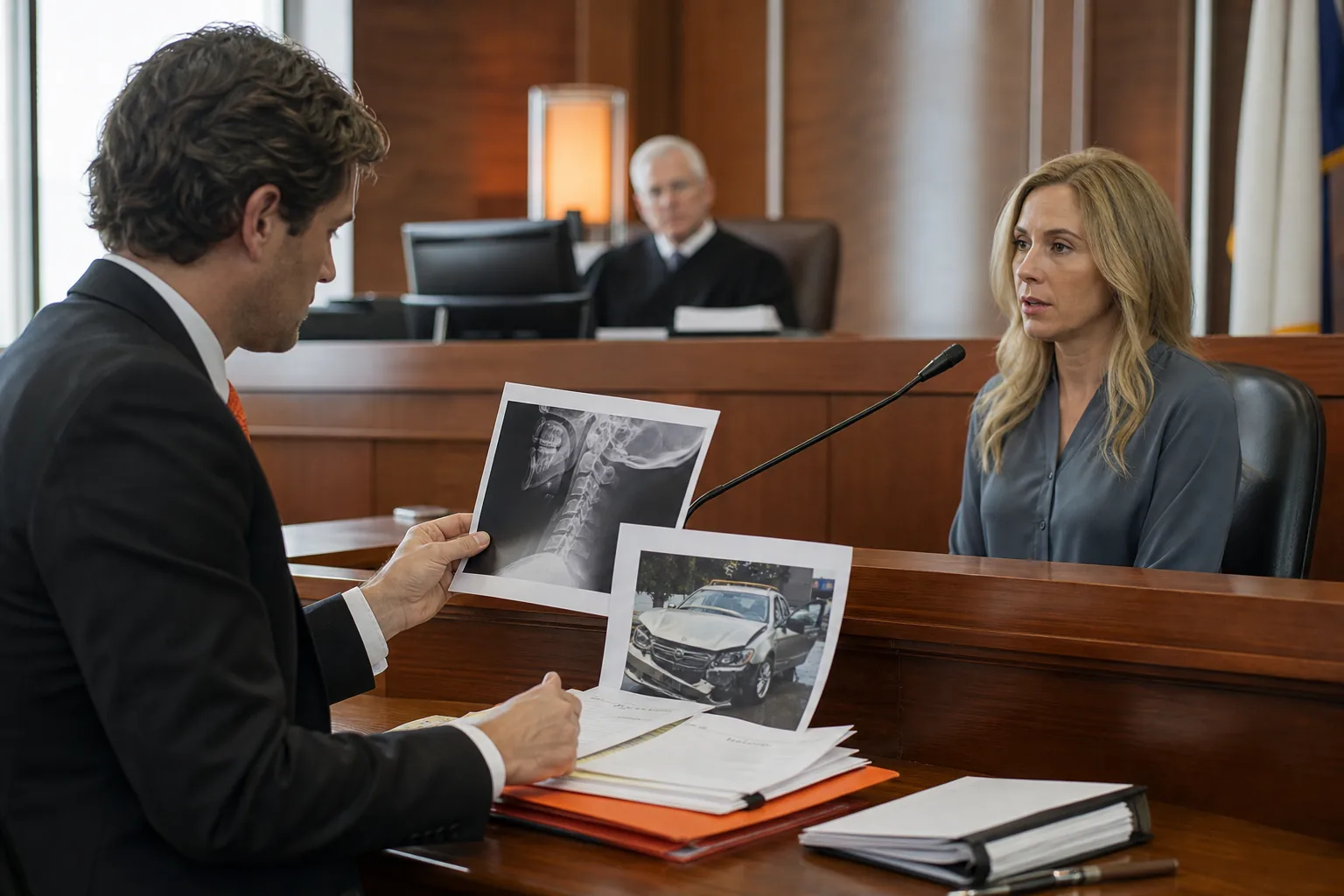
A strong presentation does not mean claiming more than the records support. Credibility matters. Small exaggerations can give the defense an opening.
The Verdict and What Happens After a Utah Car Accident Trial
A verdict ends the evidence phase, but it may not end the case. In a Utah car accident trial, the judge or jury answers the questions placed before it.
In a jury case, jurors may decide whether the defendant was negligent, whether that negligence caused the injury, and what damages are supported. The judge then enters a judgment based on the verdict.
In a bench trial, the judge may announce a ruling in court or issue a written decision later. Small claims cases often move faster, but speed does not remove the need for proof.
After judgment, the losing side may ask the court to reconsider or correct a legal error. A party may also appeal. An appeal is not a new trial. The appellate court reviews the record for legal mistakes and usually does not hear fresh witness testimony.
Winning a judgment and collecting it are separate issues. The defendant may pay voluntarily, or additional collection steps may be needed. Your attorney can explain what the judgment permits and what limits apply.
A settlement can still happen after trial begins. The parties may reach an agreement before the verdict, during a recess, or while an appeal is pending. Any agreement should state the payment terms and what claims it resolves.
Deadlines matter at every stage. A missed appeal deadline may end the right to seek review. A missed filing deadline may end the claim before trial begins.
LeBaron & Jensen, P.C. helps clients assess settlement choices and prepare for the next legal step. We take the stress off your plate while keeping the focus on a fair settlement or a supported trial result.
Do not judge the strength of your case by the trial date alone. A short bench trial can still involve careful preparation, while a long lawsuit can resolve before anyone gives testimony.
FAQ About Car Accident Trials in Utah
How long does a car accident trial take in Utah?
A small claims bench trial may happen within weeks after failed settlement talks, while a full personal injury case may take one to four years before trial. The length depends on medical treatment, discovery disputes, court calendars, and whether the parties settle. Your attorney can give a better estimate after reviewing the injuries and disputed facts.
Is a police report admissible in a Utah car accident trial?
A police report is not automatically admissible as proof in a Utah civil trial. Utah law generally limits its use, although a certificate confirming that a report was filed may serve a different purpose. Your lawyer can identify admissible evidence that supports the same fact through witnesses, records, photos, or video.
Will my Utah car accident case have a jury?
Your case may have a jury if it is filed as a civil action and the parties retain the right to a jury trial. Small claims cases usually use a judge-only hearing. The court type, claim size, and filed requests affect the format. Ask your attorney which court will hear your case.
What should I say during testimony?
Answer each question truthfully and directly during your Utah car accident trial. Do not guess at dates, speeds, or medical details. If you do not remember, say that. Listen to the full question before answering, and ask for clarification when needed. Your attorney will prepare you for the subjects likely to arise.
Can I settle after a car accident trial starts?
You can often settle after trial starts, as long as both sides agree and the court accepts any required filing. A settlement may happen before the verdict or during an appeal. Review the payment terms, release language, liens, and tax questions with your attorney before signing.
Conclusion
A Utah car accident trial rewards careful preparation, honest testimony, and proof that connects fault to your losses. If you are facing a claim, speak with LeBaron & Jensen, P.C. early so we can protect deadlines, preserve evidence, and assess whether a fair settlement or trial makes sense for you.