
Table of Contents
A Utah car accident claim can start at the crash scene and stretch for months. The first hours matter, but rushing settlement before your injuries are clear can cost you. We’ll walk through each stage, explain Utah’s insurance rules, and show where LeBaron & Jensen, P.C. can take the stress off your plate.
Step 1: Report the Crash, Get Medical Care, and Notify the Insurers
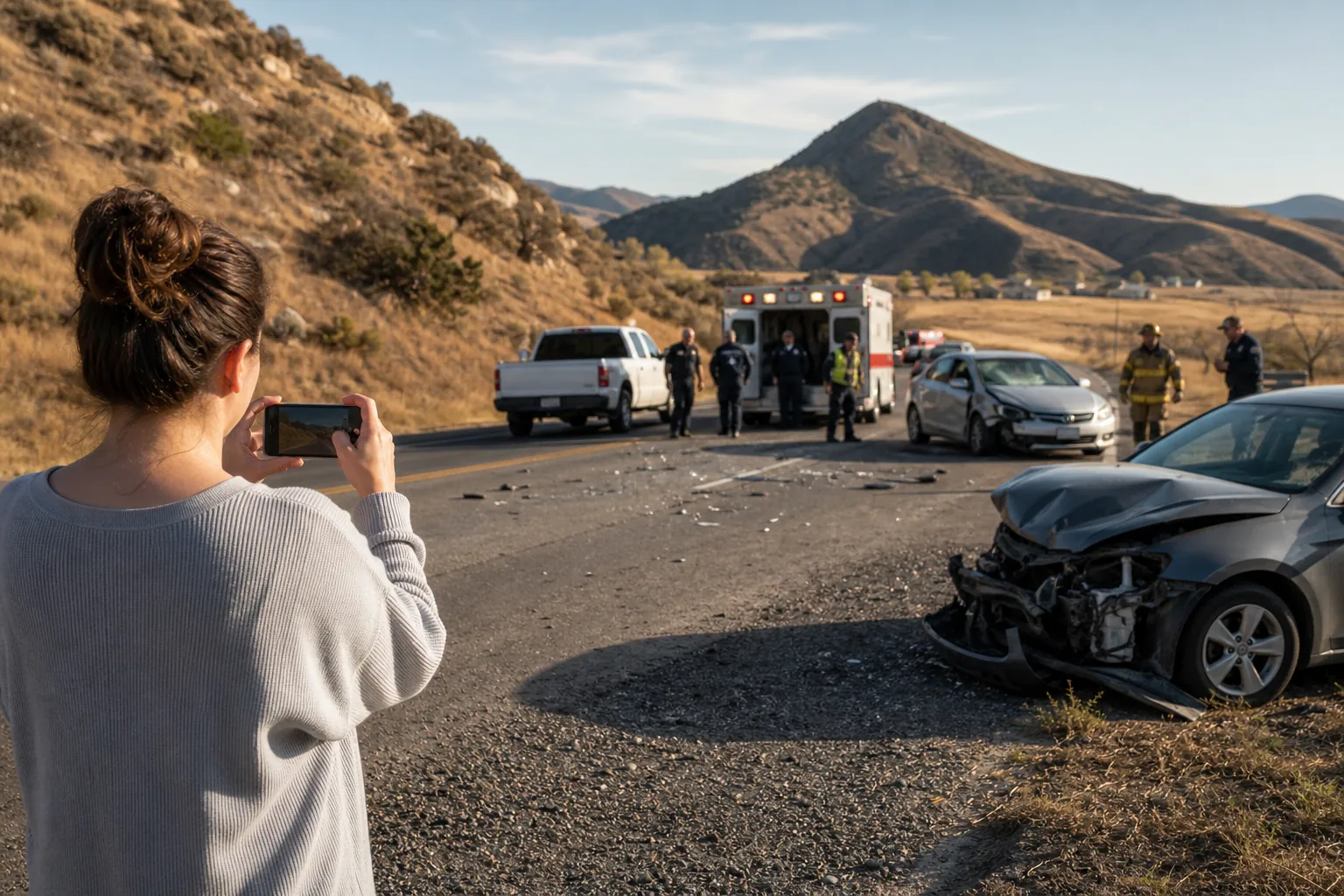
The car accident claim timeline Utah drivers face begins with safety and clear records. Move your vehicle to a safe place if you can do so without worsening an injury.
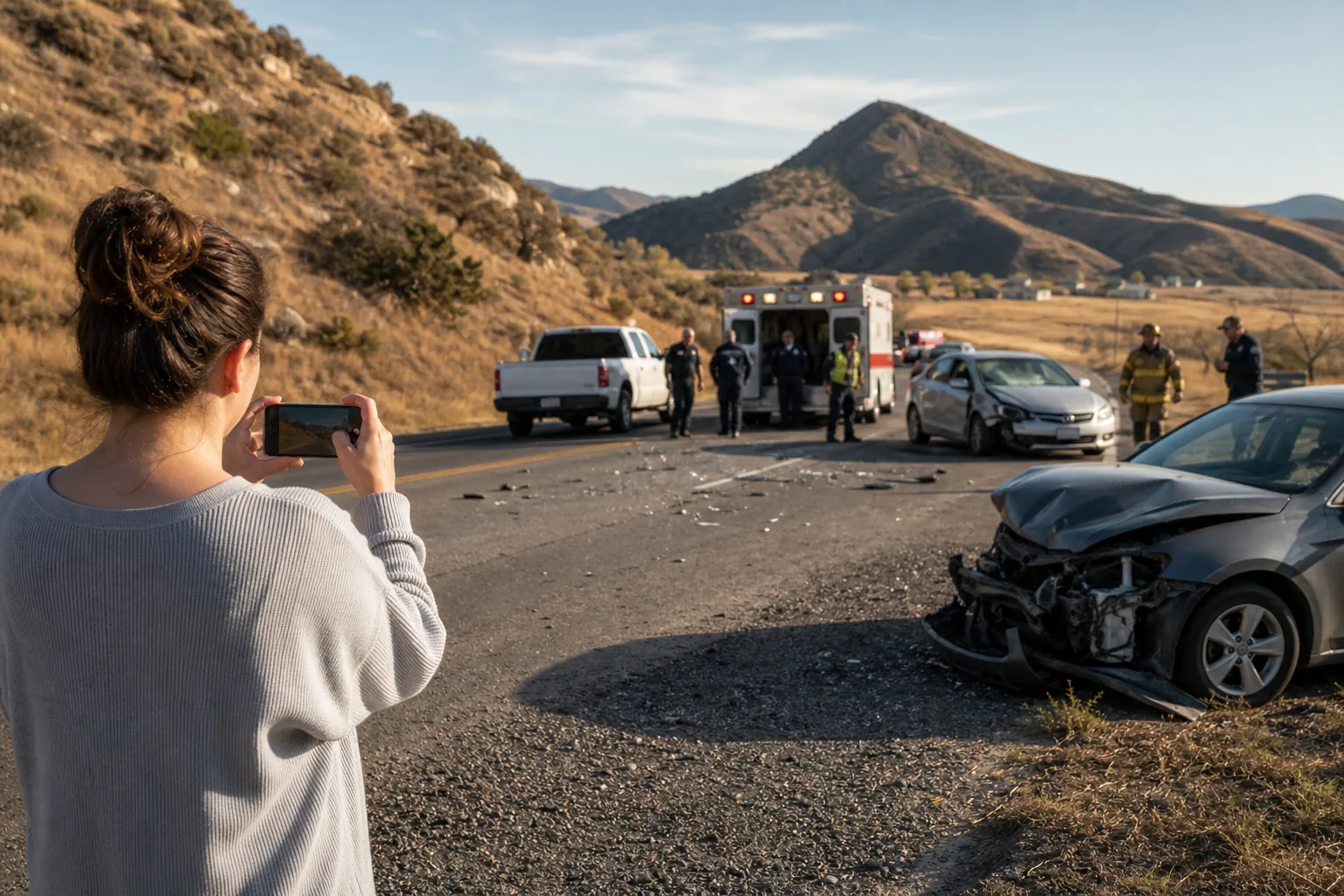
Call 911 when anyone may be hurt or when the crash creates a road hazard. Ask for medical help if you need it. Exchange insurance and contact details with the other driver. Take photos of the vehicles, road, traffic signs, and visible injuries.
Try to get witness names and contact details before people leave. A witness can matter later if each driver tells a different story about the light, lane, or right of way.
Ask how to obtain the police report. If officers don’t respond at the scene, contact the pro the crash. Also report missed work to your employer when the injury affects your job.
Notify your own insurer soon.
Tell the at-fault driver’s liability insurer about the crash too, but be careful with recorded statements. Give accurate facts. Don’t guess about fault or say you’re fully recovered when you aren’t.
Property damage often moves faster than an injury claim. The insurer may inspect the car, approve repairs, or treat it as a total loss. Don’t sign a broad release that includes bodily injury until you understand what it ends.
Step 2: Follow Treatment and Build the Evidence File While You Recover
The next part of the car accident claim timeline Utah claimants often underestimate is recovery. Your claim usually can’t be valued fairly until doctors know how your injuries are progressing.
Follow the care plan from your medical providers. Keep appointments, follow home instructions, and tell providers about new or worsening symptoms. Gaps in care can give an insurer an argument that the crash didn’t cause the full injury.
Many attorneys wait until maximum medical improvement, called MMI, before preparing a demand. MMI means your condition has reached the point where doctors can reasonably assess lasting problems. You may still need future care after MMI. The key is having a clearer medical opinion about it.
During recovery, keep one file for the claim. Add:
- Medical records, bills, and appointment dates.
- Pay records showing missed work or reduced hours.
- Receipts for help at home or other accident-related costs.
- Photos of injuries, vehicle damage, and the crash location.
- Names of witnesses and copies of reports.
Write short notes about pain and daily limits. Record when you cannot lift, sleep, drive, work, or care for family as usual. Specific notes help connect the medical diagnosis to your daily life.
We also investigate the claim. At LeBaron & Jensen, P.C., that may include seeking available video, collecting reports, and requesting medical records with proper authorization. We then match the records to the injuries and losses claimed.
Health insurance can affect the final numbers. Utah’s “build versus paid” rule may allow the claim to address the full billed amount, even when a health plan paid less under a contract. Any repayment claim, called a lien or subrogation claim, still needs review before settlement.
Don’t post detailed statements about the crash or your recovery on social media. A short update for family may seem harmless, but an insurer could read it out of context. If you need help drafting a brief progress note for friends, keep it factual and avoid private medical and claim details. Keep private medical and claim details off public posts.
Step 3: File the Claim and Apply Utah’s PIP, Fault, and Deadline Rules
Once treatment is stable, the car accident claim timeline Utah residents follow moves into claim valuation. We gather the evidence, calculate losses, and send a demand package to the liability insurer.
The demand package normally explains fault, medical treatment, bills, lost income, property damage, and the effect on your life. It should include records that support each major point. A demand is an opening position, not a guaranteed payment.
Utah uses a no-fault system for certain early medical and related benefits through PIP. PIP comes from your own policy first. It may apply even when you caused the crash, subject to policy terms and legal rules. The at-fault claim is separate and may seek losses beyond those early benefits.
Utah also follows modified comparative negligence. Fault percentages affect recovery. If you are found 50% or more at fault, you generally cannot recover under the comparative fault rule. If you are below that threshold, your award may be reduced by your share of fault.
That makes evidence especially important in a “he said, she said” crash. Photos, independent witnesses, vehicle damage, traffic-camera footage, and scene measurements may help move the fault analysis away from a 50-50 result.
| Claim issue | What to gather | Why timing matters |
|---|---|---|
| Early medical costs | PIP policy details and medical bills | Benefits may help care begin while fault is reviewed. |
| Liability | Police report, photos, witness details, and video | Evidence can disappear or memories can fade. |
| Injury value | Medical records, work loss, and provider opinions | Settlement before MMI may miss future harm. |
| Deadline | Crash date and claim type | A late lawsuit can bar recovery. |
Do not rely on a generic deadline. The legal deadline is four years from the accident date, or two years for wrongful death. Government defendants can add notice rules. Review the exact claim type with counsel, and see our explanation of the Utah car accident claim deadline before time becomes tight.
A pending treatment plan does not automatically pause a deadline. If recovery is still ongoing, we plan around the filing date rather than waiting and hoping the insurer will extend it.
Step 4: Negotiate, Mediate, Arbitrate, or Litigate the Claim
Negotiation is often the shortest path in the car accident claim timeline Utah families experience. After the demand goes out, the insurer may accept it, make a counteroffer, or deny part of the claim.
Each offer should be reviewed against the evidence. A high medical bill alone doesn’t decide value. The analysis also considers fault, treatment, wage loss, future care, permanent limits, and how the injury changed daily life.
Don’t accept a check before you understand the release. A release can end the claim and prevent later payment for an injury that worsens. This is why waiting for MMI can matter, especially after a serious injury.
If talks stall, mediation may help. A neutral mediator hears both sides and works toward a settlement. The mediator doesn’t act as your judge. Mediation is often less costly and faster than a full trial, but either side can refuse an offer.
That process may fit a lower-value case with clear records. It may be a poor fit for severe injuries, major future losses, or a disputed fault case. Information about Utah’s 321 arbitration process can be reviewed before relying on it.
If no fair settlement is available, we may file a civil lawsuit. Filing starts formal litigation. Both sides then enter discovery, where they exchange documents, answer written questions, and give depositions.
Discovery is often the longest phase. It can last six months to a year in some cases because medical issues, witnesses, records, and expert opinions take time. Many lawsuits still resolve at mediation before trial. If trial is needed, a judge or jury hears the evidence and decides the result.
At LeBaron & Jensen, P.C., we explain the risks and choices at each stage. You decide whether to accept an offer or continue. Our job is to prepare the claim so that decision is informed.

FAQ
How long does a car accident claim take in Utah?
A Utah car accident claim may resolve in a few months when injuries are stable and fault is clear. More serious injuries can take a year or longer because treatment must reach MMI. A lawsuit adds discovery, which may last six months to a year. The actual timeline depends on medical recovery, evidence, insurance conduct, and whether trial is needed.
When should I contact a Utah car accident lawyer?
You can contact a Utah car accident lawyer soon after the crash, especially if you have an injury or fault is disputed. Early legal help can protect evidence and reduce pressure from insurers. LeBaron & Jensen, P.C. can handle records and negotiations while you focus on care. Don’t wait until the filing deadline is close.
Does Utah require me to use PIP after a crash?
Utah auto policies generally include required PIP coverage, subject to the policy and legal terms. PIP comes from your own insurer and can help with early medical expenses after a crash. It does not replace a separate liability claim against a driver who caused additional losses. Review coverage before signing any final release.
What happens if the insurance company denies my claim?
If an insurer denies your claim, preserve the denial letter and ask for the stated reason in writing. The next step may involve more evidence, a demand response, mediation, arbitration, or a lawsuit. A denial doesn’t always end the matter. Fault proof, medical records, and deadline control become especially important.
What is the deadline to file a car accident lawsuit in Utah?
The deadline depends on the claim type and defendant. Many Utah injury actions have a three-year limit, while wrongful-death claims can have a shorter period. Claims against a government entity may require earlier notice. Because missing the deadline can end the case, have the exact date reviewed soon after the crash.
Start by reporting the crash, getting consistent medical care, and preserving every record. If you’re unsure about an insurer’s offer or a filing date, contact LeBaron & Jensen, P.C. for a case review so we can help protect your right to a fair settlement.