

Table of Contents
A Utah car accident claim can often settle before anyone files a lawsuit. But the result depends on what you do in the first days and how you handle the insurer.
We use a clear path: protect your health, preserve proof, build the claim, negotiate in writing, and review the final release before signing it.
Step 1: Protect Your Health and Preserve Accident Evidence
Trying to settle after a crash starts with your health, not a demand letter. Get medical care first, even if your pain seems mild.
Some injuries take time to show. Tell the medical provider that the condition began after the crash. Follow the care plan you receive. Gaps in treatment can give an insurer room to argue that the accident did not cause your injury.
If emergency care is needed, seek it at once. The basic definition of personal injury covers harm to a person, rather than damage to property alone. That distinction matters because an injury claim needs proof of physical harm and its effect on your life.
Preserve the scene while the details are fresh. Save the crash report when it becomes available. Keep copies of medical records, bills, work notes, repair estimates, and insurance letters.
- Photograph the vehicles before repairs begin.
- Save photos of visible injuries as they change.
- Write down what you recall, including road conditions and the other driver’s statements.
- Keep a short daily pain and activity log.
Do not post about the crash on social media. Do not give a recorded statement before you understand what the insurer is asking. Be polite, but stick to facts.
We understand how unsettling the first days can be. LeBaron & Jensen, P.C. can help you protect the record while you focus on treatment.

Step 2: Report the Crash and Start the Insurance Claim
To settle without court, you need a clean report of what happened and a claim opened with the right insurer. Report the crash through the proper law enforcement channel when required.
Ask how to obtain the report or its case number. Check it for basic errors, such as the wrong address, vehicle, or date. A report is useful evidence, but it does not decide every issue in a later injury claim.
Notify your own insurer under your policy’s rules. You can report the loss without giving a full account of fault or injury before you have gathered the facts. Keep the notice short and accurate.
The other driver’s insurer may contact you quickly. An adjuster may ask for a recorded statement or broad access to medical records. You don’t have to guess what to provide. Let a personal injury lawyer review the request first.
Keep an insurance file with dated copies of each letter and email. Write down who contacted you and what the person requested. Set reminders for every response date.
Our team can open the needed insurance claims and manage the back-and-forth. That removes a task from your plate while the evidence is still being gathered. You can also review our Utah car accident claim timeline for a clearer view of how reports, treatment, insurance talks, and later dispute steps may fit together.
Do not treat an early offer as the value of your whole case. The insurer may not yet know the full cost of care or the effect on your work. A quick payment can look helpful while leaving future losses out.
Start with a claim number, a paper trail, and a plan. Those three pieces make later talks much easier.
Step 3: Calculate a Settlement Demand Based on Your Losses
A fair settlement demand must show what you lost and why the other driver is responsible. You should not pick a number based on a quick online calculator.
First, gather the bills and records that show your past losses. Then ask whether your treatment is complete or still changing. A demand made too soon may miss care you will likely need.
Common claim categories can include:
- Medical bills and related treatment costs.
- Lost wages or reduced work capacity.
- Vehicle damage and other property loss.
- Physical pain and limits on daily activities.
- Emotional effects linked to the injury.
Each category needs support. A wage claim may need employer records. A treatment claim needs medical notes. A pain claim becomes clearer when your journal shows what you could not do and how long that limit lasted.
Fault also matters. Negligence means failing to use the care a reasonable person would use in the same setting. Your attorney will compare the evidence with the insurer’s position. If the insurer says you share fault, that issue can affect the amount available.
We build the demand around records, not emotion alone. The demand should explain the crash, the injury link, your care, your losses, and the amount requested. It should also give the insurer enough proof to recommend payment.
Settlement work is a negotiation. In general, mediation is a structured process where a neutral person helps disputing parties seek agreement. It can become useful later if direct talks stall, but you should first know the value and weak points of your claim.
Never inflate a loss. A demand that cannot be supported can hurt trust and slow the process. Accuracy gives you room to press for your rightfully deserved compensation.
Step 4: Negotiate With the Insurance Company Without Filing a Lawsuit
Insurers rarely accept a first demand without questions. You can still reach a fair settlement without court when the proof is strong and the talks stay focused.
Send the demand through your attorney when possible. It should set out the facts and attach the records that support the loss. Keep the discussion in writing so each side can track the offer, response, and reason for any change.
Expect the adjuster to test your claim. The insurer may question treatment, fault, lost work, or the amount of pain. Answer with evidence rather than anger. If one record is missing, find it before making a new demand.
Here is a sound negotiation pattern:
- Review the insurer’s offer line by line.
- Mark each unsupported reduction.
- Answer the strongest issues with records or witness proof.
- Set a response deadline that gives enough time for review.
- Keep your minimum acceptable outcome private until you discuss it with counsel.
We take the stress off your plate by handling the insurer’s questions and keeping the focus on the evidence. A lawyer can also tell you when a proposed compromise goes too far.
If direct talks fail, mediation may offer another path before a lawsuit. It is still a formal dispute process, but it does not require a trial. The mediator cannot force either side to accept a deal.
Do not threaten court unless you understand the next step. Filing may be needed if the other side will not pay a fair amount, but it changes the timeline and the work involved.
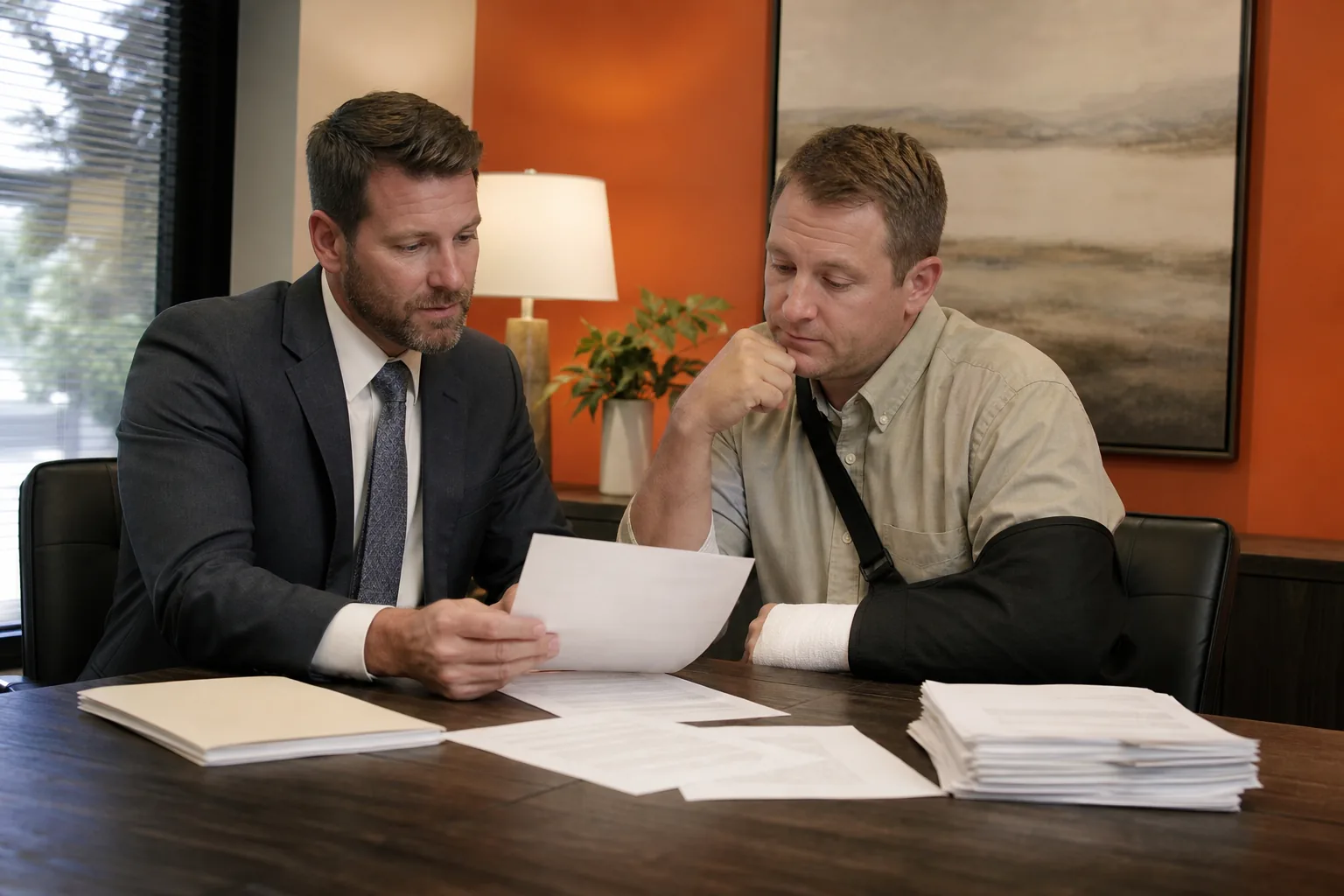
The right decision rule is simple: settle when the written terms fairly cover the proven loss and protect you from a surprise later.
Step 5: Review the Settlement and Complete the Agreement Carefully
A settlement is not complete when the adjuster says yes. It becomes binding through written terms, and those terms can end claims you may still need.
Read the release before signing. A release is the document where you agree to give up certain claims in exchange for payment. Check who the release covers and which accident, injuries, and losses it includes.
Confirm the payment amount and timing. Check whether medical liens, repayment claims, or case costs will reduce what you receive. Ask what happens if a provider sends a new bill after the agreement.
Look for language about future claims. A broad release may affect injuries that have not fully healed. If treatment continues, ask your attorney whether the settlement should wait or whether the agreement needs a clear limit.
Review these points before signing:
- The exact payment amount.
- The people and companies released from liability.
- The claims being waived.
- Any lien or bill deductions.
- The payment date and delivery method.
- Any confidentiality or tax language.
Don’t sign under pressure. Ask for time to review the document with LeBaron & Jensen, P.C. We can explain what the release gives up and whether the proposed amount fits the proof.
Some people use document-review tools for a first read. A resource such as document-review software may help flag terms for further questions, but it cannot replace advice about your injury claim, medical future, or Utah law.
Once you sign, the insurer will usually treat the matter as closed under the release. Keep the signed agreement and payment record with your claim file. If payment does not arrive as promised, contact your lawyer promptly.
Settlement without court is possible, but it is not automatic. Your case may need mediation or a lawsuit if the insurer refuses a fair result.
Frequently Asked Questions About Utah Car Accident Settlements
Can I settle a Utah car accident claim without going to court?
Yes, many injury claims can resolve through insurance talks or mediation without a trial. The process still requires proof of fault, injury, and loss. You should avoid signing a release until you know the full effect of your injuries. If direct talks fail, a lawsuit may remain an option.
How long does a Utah car accident settlement take?
The time varies with treatment, fault disputes, insurance limits, and the quality of the records. A minor property claim may move quickly, while an injury claim can take longer. Ask your attorney about deadlines at the first meeting. Do not delay action while waiting to see whether pain improves.
Should I accept the first car accident settlement offer?
You should not accept the first offer without comparing it with your documented losses and likely future care. Early offers may arrive before your medical picture is clear. Ask what the release covers and whether bills or liens will reduce the payment. A lawyer can help you judge the offer.
What evidence helps settle a car accident claim?
Helpful evidence includes the crash report, scene photos, medical records, bills, wage proof, repair records, and witness details. Keep each item dated and stored in one file. Your treatment notes should link symptoms to the collision. Clear proof gives the insurer fewer reasons to dispute your demand.
Do I need a lawyer to settle a car accident claim in Utah?
You can speak with an insurer yourself, but legal help can protect you when injuries, fault, or future care are disputed. LeBaron & Jensen, P.C. can handle claim talks and explain settlement terms. That lets you focus on recovery while someone tracks the legal risks.
Conclusion
The safest path is to get medical care, preserve every record, and have a Utah personal injury lawyer review the claim before you accept money. LeBaron & Jensen, P.C. can help you pursue a fair settlement without rushing into court. Your next step is to gather the crash and medical records, then request a case review.