

Table of Contents
A rideshare crash can leave you hurt, shaken, and unsure who should pay. The first steps protect both your health and your claim. After a Utah accident, get safe, call 911, seek medical care, report the crash through the rideshare app, and preserve every record. Then review the available insurance before you discuss a settlement.
Step 1: Get Safe, Seek Medical Care, and Call 911
Safety comes first after a rideshare accident. If you can move without risking more harm, leave traffic and reach a safe place.
Check yourself and others for injuries. Call 911 if anyone has pain, bleeding, trouble breathing, confusion, or another urgent symptom. In the United States, 911 connects callers with emergency services for police, fire, and medical help.
Do not refuse care because you feel fine. Whiplash, concussion symptoms, and some internal injuries may take hours or days to appear. A medical visit also creates a record that connects your symptoms to the crash.
Tell the medical team what happened. Explain where you hurt, even if the pain seems mild. Follow the care plan, attend follow-up visits, and keep copies of bills, discharge papers, prescriptions, and work notes.
If you are a passenger, do not assume the drivers have handled the police report. You can ask whether officers were contacted. If not, request police help yourself. A formal report can record the people involved and the basic account of the collision.
Pedestrians and bystanders should follow the same rule. Move away from traffic only if you can do so safely, then seek care and report the impact. Drivers should also get medical help before worrying about the vehicle or the rideshare account.

Step 2: Report the Crash and Preserve Every Piece of Evidence
Knowing what to do after a rideshare accident means reporting it through more than one channel. Start with law enforcement when the crash involves injury, major damage, a dispute, or unsafe conditions.
Next, report the crash inside the rideshare app. Look for the trip or help area, select the accident or safety option, and submit the facts while they are fresh. Save the confirmation screen and any messages that follow.
This app report matters because the platform holds records tied to the trip. Preserve the trip receipt, pickup and drop-off details, driver profile, timestamps, route information, and any safety messages. Take screenshots before the trip disappears from your account.
At the scene, gather information only when it is safe. Ask for the rideshare driver’s name, insurance details, vehicle information, and platform affiliation. Get the same information from other drivers involved.
Ask witnesses for their names and contact details. Do not pressure anyone to agree with your version. A witness who gives a clear account later may help resolve a dispute about traffic signals, speed, or the point of impact.
Use your phone to photograph the whole scene first. Then take closer images of:
- Damage to every vehicle involved.
- Your visible injuries and damaged clothing.
- Lane markings, traffic signs, weather, and road conditions.
- Debris, skid marks, and the location of each vehicle.
- The rideshare vehicle’s plate and identifying details.
Photograph the rideshare vehicle even if you were only a passenger. Later access may be difficult, especially if the driver stops responding or the vehicle gets repaired. Pictures can help show the force and location of the impact.
Keep a private crash file. Add medical records, wage information, repair estimates, rideshare messages, police documents, and a dated symptom log. Write down what you remember before details blur. Do not edit the original photos.
Serious cases may need more than phone pictures. Professional investigators can use specialized tools to capture and analyze incident data. That type of work usually belongs with trained investigators or attorneys, not an injured rider working alone.
Do not post crash photos or opinions on social media. Insurers may use public posts to question your pain or activity. Keep discussions focused on your medical team, insurer, and legal adviser.
Step 3: Identify the Rideshare Insurance Period and File Claims
Rideshare insurance depends on what the driver was doing in the app when the crash happened. The same vehicle may have different coverage while the driver waits, accepts a ride, or carries a passenger.
Ask for the driver’s app status at the exact time of impact. Save your trip receipt because its time and route may help confirm that status. Also identify who caused the crash. The rideshare driver may be at fault, or another driver may have caused the collision.
| Driver status at impact | What it usually means | What to preserve | Claim issue to review |
|---|---|---|---|
| Period 1 | The driver is online and waiting for a request. | App status, timestamps, and driver insurance details. | Coverage may be more limited, and personal policy exclusions may matter. |
| Period 2 | The driver accepted a request and is traveling to the rider. | Ride acceptance record and route data. | Review the platform policy and any other applicable insurance. |
| Period 3 | The rider is in the vehicle during the trip. | Trip receipt, pickup record, and crash report. | Platform coverage may apply, but the policy terms and fault still control. |
| Another driver at fault | The outside driver caused the collision. | That driver’s insurance information and witness evidence. | Start with the at-fault driver’s policy, then review other available coverage. |
These periods are a useful starting point, not a promise of payment. Policy terms, state law, fault, and the driver’s status can change the result. An insurer may also argue that another policy must pay first.
If the other driver caused the crash, pursue that driver’s liability coverage. If that driver has no insurance or not enough insurance, ask whether uninsured or underinsured motorist coverage may apply. The rideshare platform’s policy may provide another layer, but the answer depends on the policy and the facts.
If the rideshare driver caused the crash, the platform’s insurance may be involved. The driver’s independent-contractor status can make responsibility more complex. A company may argue that it is not automatically liable for a contractor’s conduct. That question is separate from whether an insurance policy can cover an injured passenger.
Report the claim promptly to the right insurer. Give basic facts, but avoid guessing about fault or the long-term effect of an injury. You do not need to give a recorded statement before you understand what the adjuster is asking.
Drivers need a second file for lost income. Save earnings statements from before the crash, app records, repair bills, towing costs, rental expenses, and proof of time off. A simple income and expense log can make the loss easier to explain.
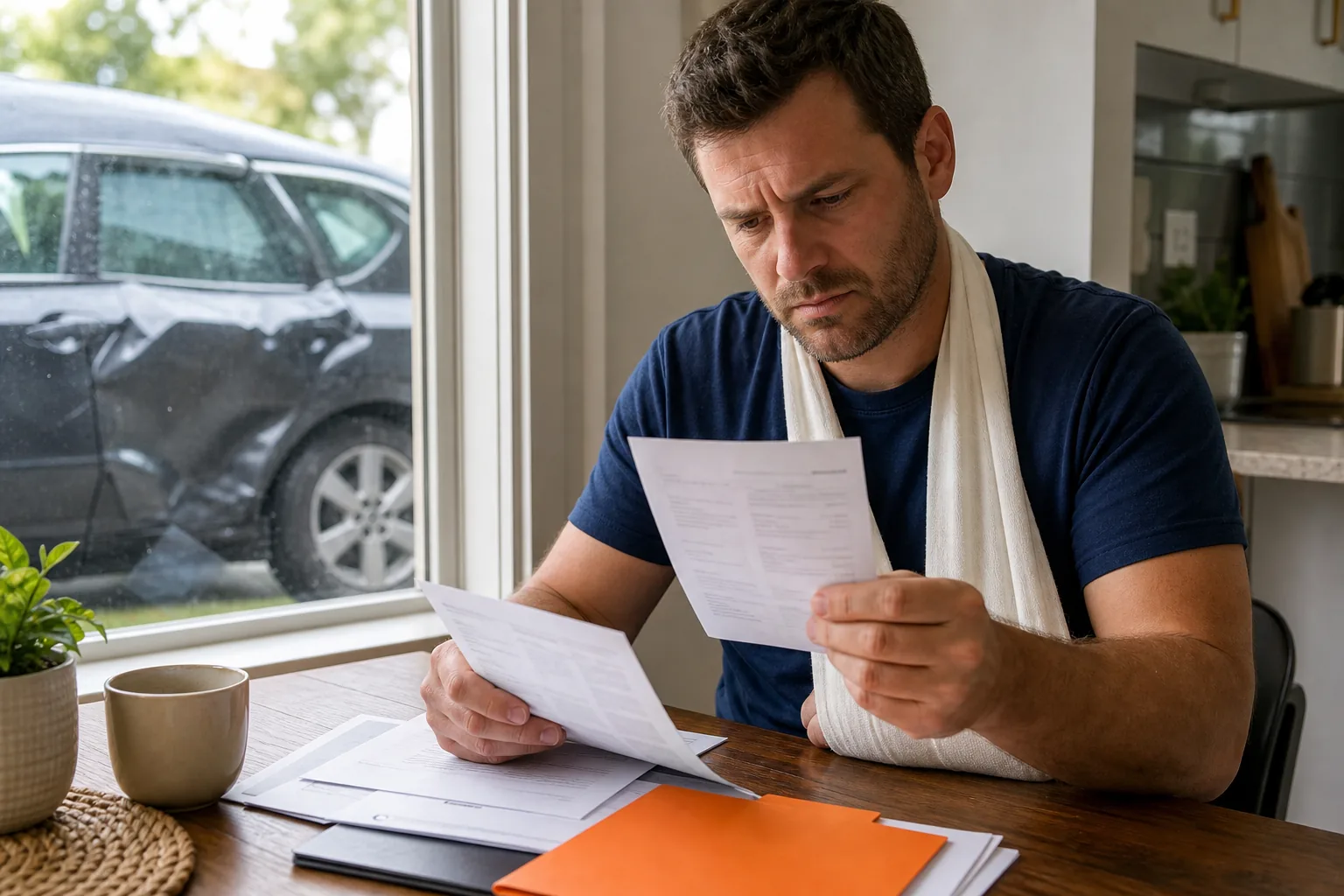
Do not accept a settlement before your medical picture is clear. A release may end claims for costs that have not appeared yet. Ask what rights you give up before signing anything.
Step 4: Protect Your Claim and Get Legal Guidance
Insurance companies may move fast after a rideshare crash. Your health and records may not move at the same speed. That gap can put pressure on you to settle too soon.
Do not give a broad recorded statement without first understanding the claim. Answer basic questions truthfully, but do not speculate. Say when you do not know an answer.
Do not sign a medical release that gives access to unrelated health records without advice. Insurers may ask for wide access when they need information about the crash injury. The request should match the issue under review.
Track every loss tied to the collision:
- Medical bills and travel for treatment.
- Lost pay or missed work opportunities.
- Repair, towing, storage, and rental costs.
- Reduced ability to handle normal daily tasks.
- Pain, emotional distress, and lasting limits.
These losses may support a personal injury claim, which seeks payment for harm caused by another person’s negligence. A fair settlement should account for the full claim, not only the first emergency room bill.
Get legal guidance when liability is disputed, injuries are serious, more than one policy may apply, or the insurer offers a quick release. We at LeBaron & Jensen, P.C. can review the crash facts, app records, medical proof, and insurance layers with you.
We also look at the roles of each party. That may include the rideshare driver, another motorist, the platform’s insurer, and your own uninsured or underinsured motorist coverage. The goal is to identify every valid path toward your rightfully deserved compensation.
If the platform deactivates or suspends a driver after the crash, save the notice and the date it arrived. Drivers should not delete app records or stop tracking lost income. A deactivation can affect earnings, but it does not decide who caused the collision or what damages exist.
Passengers, drivers, pedestrians, and families may face different claim issues. In a fatal crash, surviving family members may need advice about a wrongful death claim. Early review helps preserve evidence before vehicles are repaired and digital records become harder to obtain.
We understand how hard it is to manage paperwork while you recover. LeBaron & Jensen, P.C. takes the stress off your plate by helping organize the claim and explain each next step. You remain the decision-maker. We provide the legal review needed to make that decision with care.
Rideshare Accident FAQ
Should I call the police after a rideshare accident?
Yes, you should request a police report after a rideshare accident involving injury, major damage, unsafe conditions, or disputed facts. Passengers should not assume the drivers already called. Tell the dispatcher where you are and that you were involved or riding in the vehicle. Police records can help confirm who was present and how the crash occurred.
What if I feel fine after a rideshare crash?
You should still seek medical advice after a rideshare crash, even when pain seems minor. Some injuries take time to show. Tell the provider about the collision and follow the recommended care plan. Prompt records can also help connect later symptoms to the accident instead of leaving the insurer to argue about another cause.
How do I report an accident to Uber or Lyft?
Report the accident through the rideshare app’s trip or safety menu as soon as you can. Include the trip details and a short factual description. Save the confirmation, messages, and screenshots. App reporting can preserve a record of the trip and may direct you to the platform’s claims process.
Who pays for injuries in a rideshare accident?
The answer depends on who caused the crash, the driver’s app status, and the insurance policies that apply. The at-fault driver’s policy may pay first. A rideshare policy or uninsured motorist coverage may apply after that. A Utah attorney can review the coverage order before you accept a settlement.
Should I accept an insurance settlement right away?
You should not accept a rideshare settlement before you understand your medical condition and total losses. A release may end your right to seek more money later. Ask what the payment covers, what claims you waive, and whether future treatment is included. Legal guidance is especially useful when the offer arrives soon after the crash.
Conclusion
After a rideshare accident, protect your health first, then preserve the app records and evidence that explain what happened. Do not rush into a settlement before the insurance picture and medical costs are clear. If the crash caused serious harm or the claim feels disputed, contact LeBaron & Jensen, P.C. for a careful review of your next step.